

Description
You sit down to put your shoes on and your ankles feel like they belong to someone else. Stiff through the heel, tight up the Achilles, slow for the first ten minutes of any walk. Some people spend that warm-up time limping it off. Others want something to do while they wait.
What this thing actually is
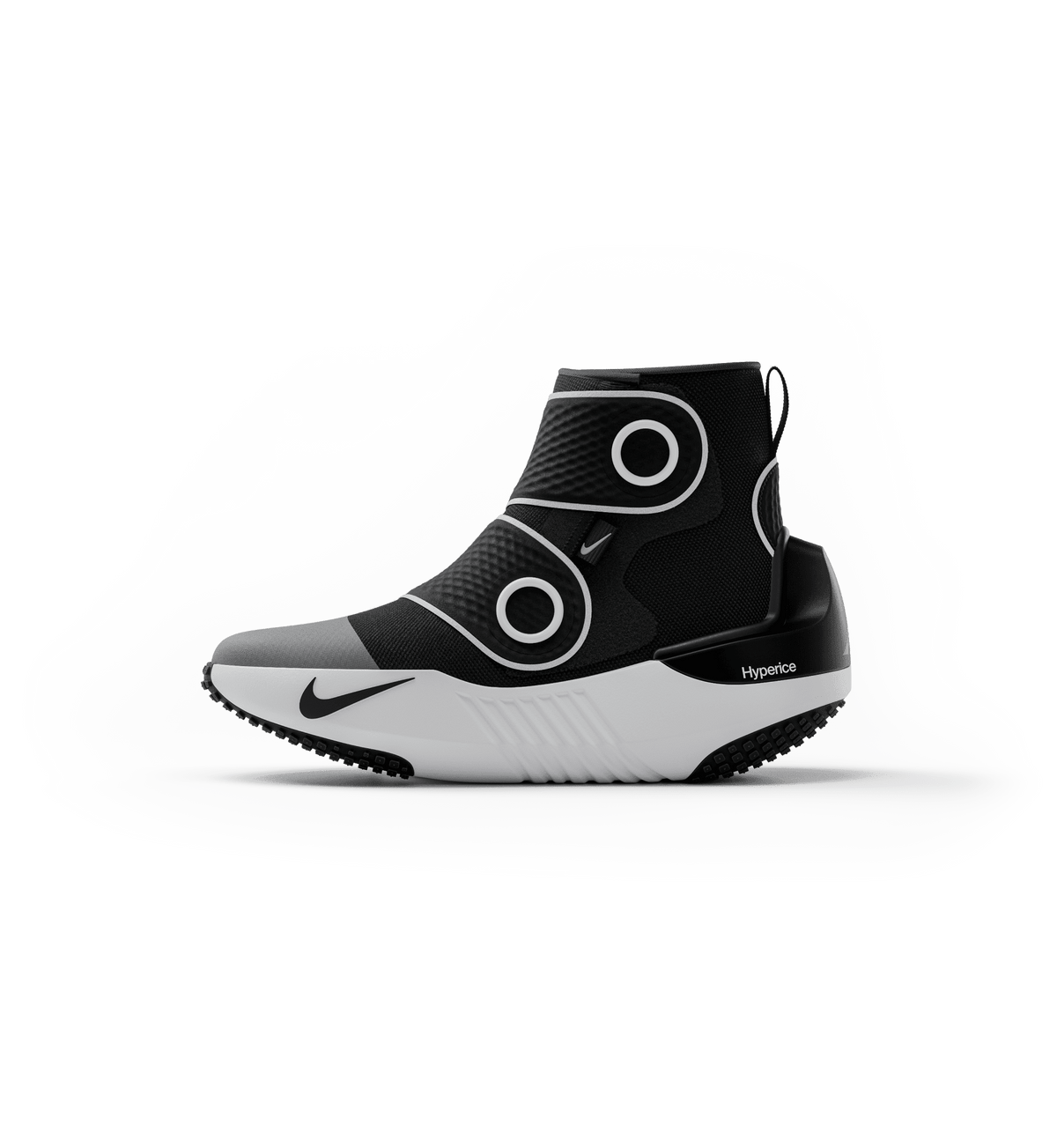
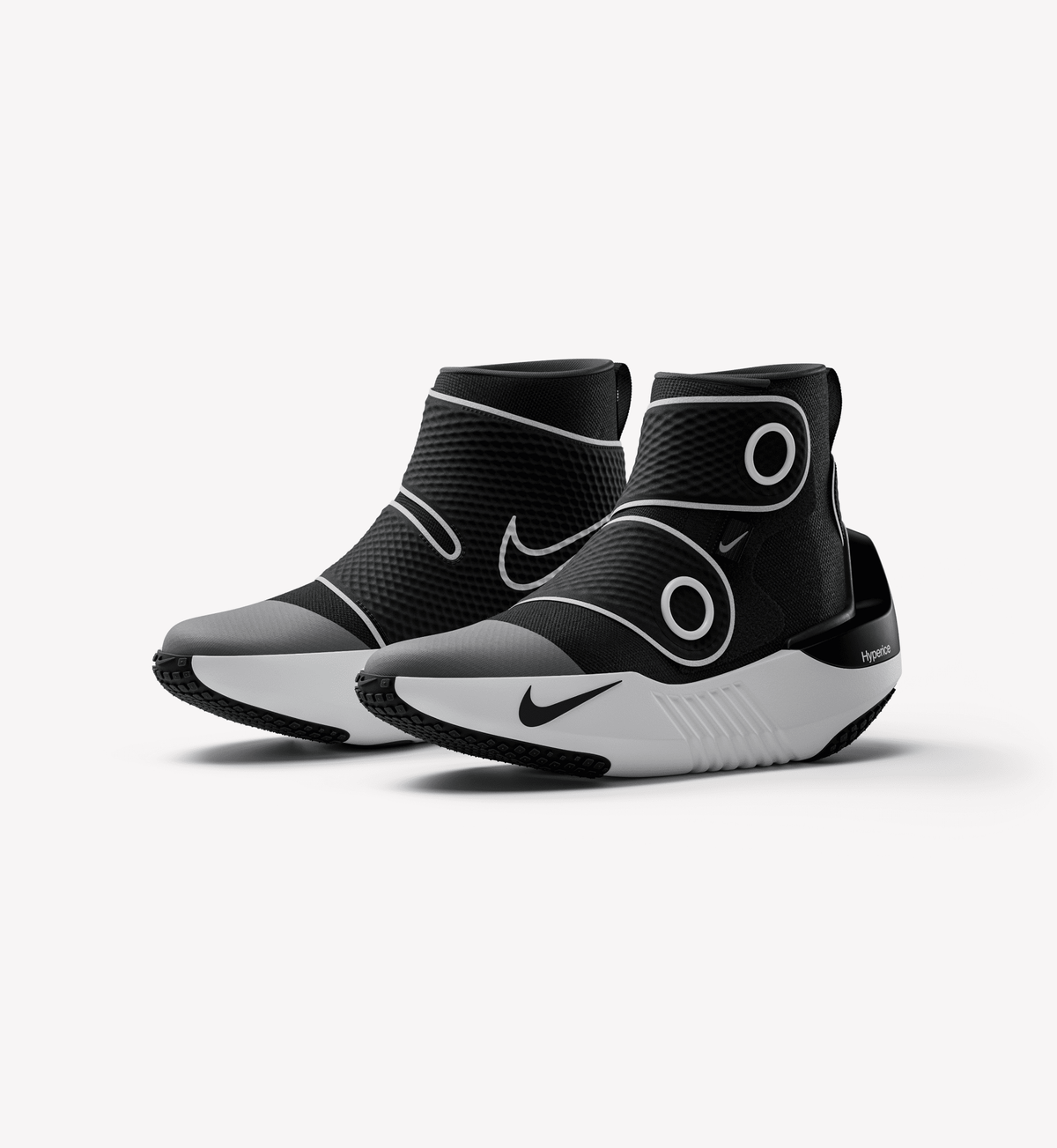
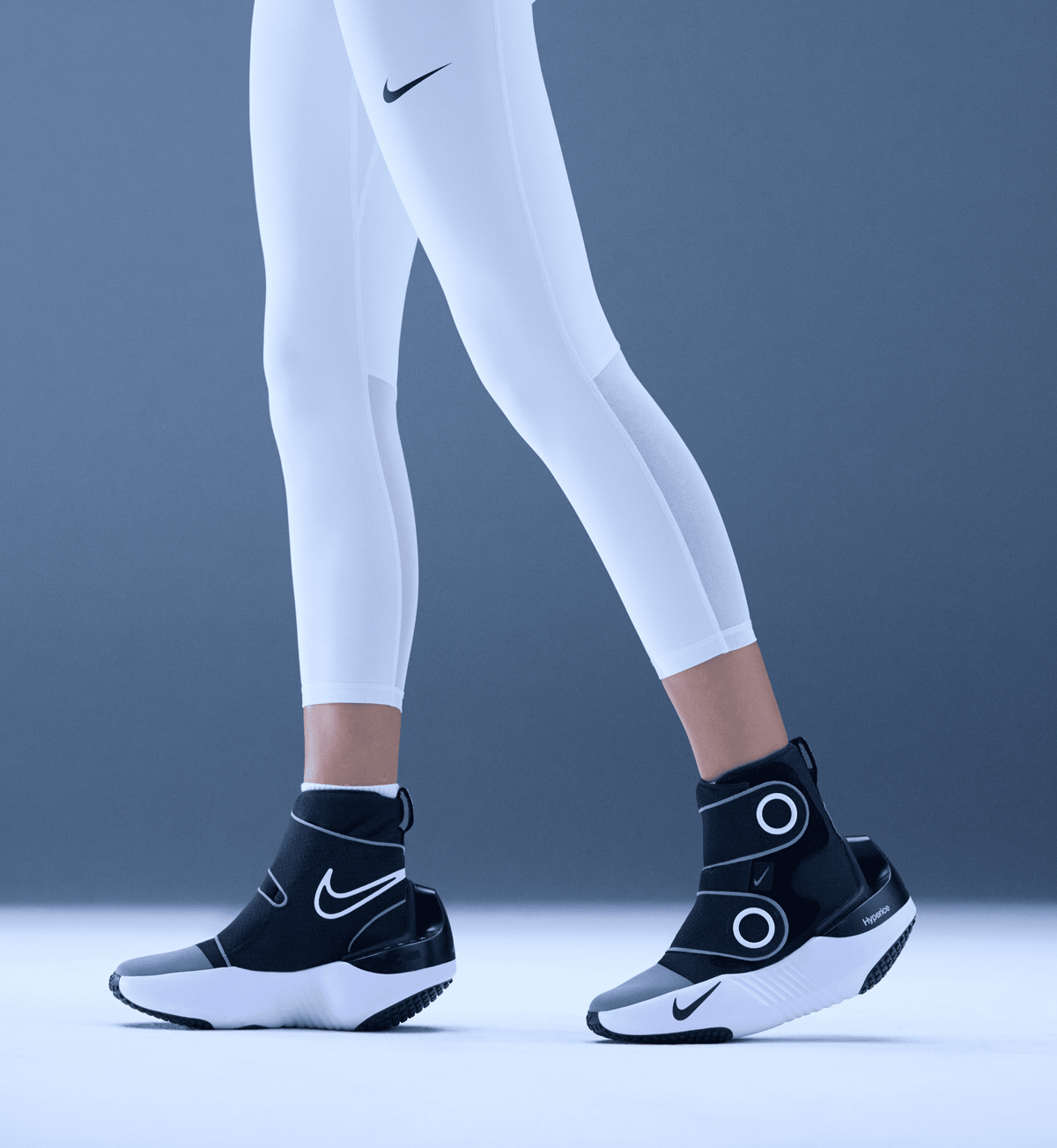
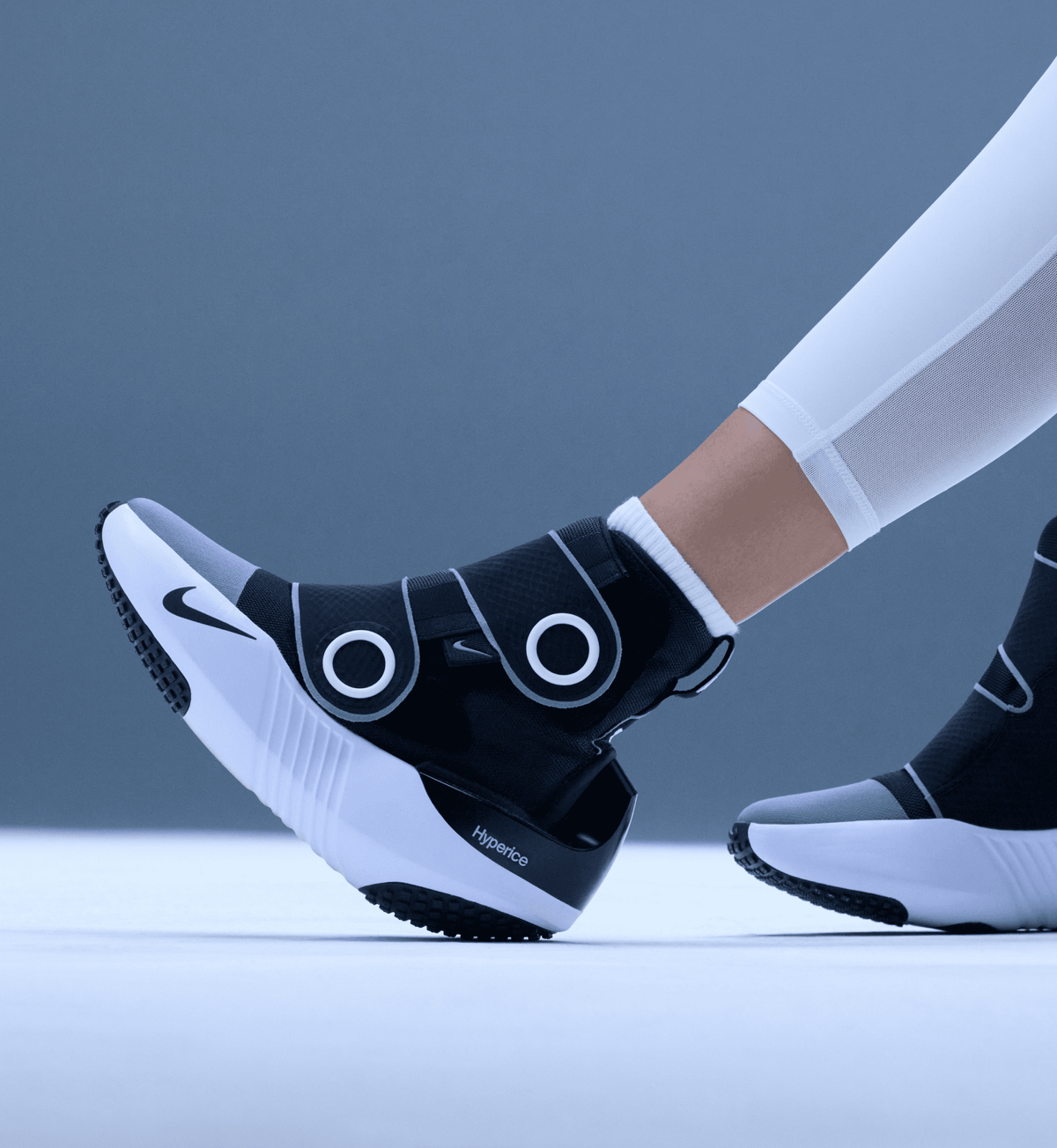
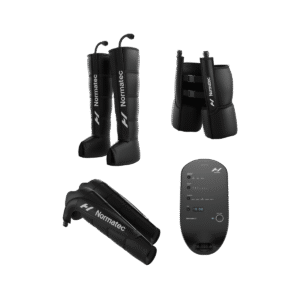
It’s a boot you wear, not a machine you lie next to. Dual-air Normatec bladders are bonded to heating elements inside the shoe, so warmth and pulsing compression reach the foot, the Achilles and the ankle at the same time. The heat is steady and controlled rather than a quick blast. The compression pulses, the way Normatec air compression does, to move things along and bring blood to the area. Nike and Hyperice built it to be worn before you move — before a workout, a training session, a long walk, or a day where you know you’ll be on your feet for hours.
Setting it where you want it
There are three levels of heat and three levels of dynamic air compression. You can change them with buttons on the shoe itself, which matters when you’re already bent over and don’t want to go hunting for your phone, or over Bluetooth through the Hyperice app if you’d rather see what you’re doing. Start low. Warm and comfortable beats hot and impressive, especially the first few times.
Be honest about what it does
This is a warm-up and comfort tool. Many people find that heat plus rhythmic compression makes an ankle feel looser and more willing to bend before they ask anything of it, and that stiff feet feel less cranky at the start of the day. That’s worth something. It is not a fix for whatever is making your foot hurt, and the looseness fades the way any warm-up does.
Worth a conversation with your doctor
Heat and compression aren’t right for everyone. Ask first if you have diabetes, neuropathy or any loss of sensation in your feet — if you can’t feel heat properly, you can’t judge when it’s too much. Same if you have poor circulation, a history of blood clots or DVT, swelling in one leg only, open wounds, skin that breaks down easily, or if you’re pregnant. Don’t use heat on a fresh injury, a hot or inflamed joint, or an area that’s already red and swollen.
And if your pain is new, severe, came after a fall or a twist, or comes with numbness, weakness, fever or a foot you can’t put weight on, get it looked at rather than warmed up.
If you want a clearer picture of your own foot and ankle pain, the free Pain Check-Up is a decent place to start, and the ankle, foot and heel pain groups on this page are full of people comparing notes on stiff mornings.
This is a paid/affiliate link — ItHurts.com may earn a commission if you make a purchase, at no additional cost to you.


Reviews
There are no reviews yet.