Addiction Is Not Who You Are
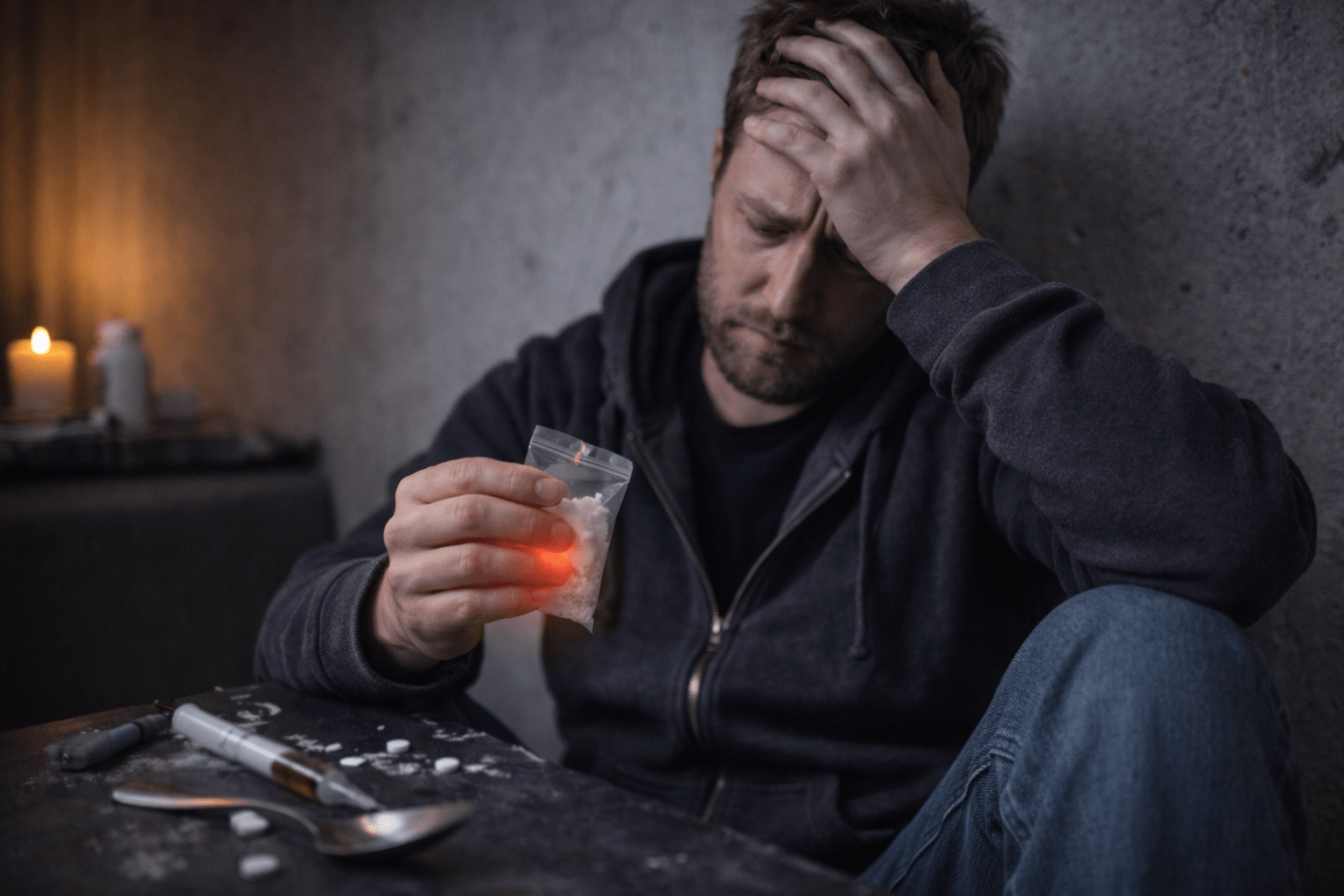
Addiction doesn’t arrive quietly. It can feel loud, persistent, and emotionally exhausting — like two parts of you pulling in opposite directions. One part is searching for relief, while the other is longing for peace.
You are not weak. You are not broken. Addiction is not a moral failure — it is a complex condition shaped by the brain, nervous system, environment, and lived experience.
Quick note: This is not medical advice. Always speak with a qualified healthcare or mental health professional about your situation.
What’s Actually Happening Inside Your Brain? 🧠🩺
Addiction changes how the brain processes reward, stress, and survival. Substances or behaviors can take over dopamine pathways, making the brain believe that something harmful is necessary for relief or safety.
Over time, this creates a cycle where cravings feel urgent and difficult to control — even when you deeply want change.
- Genetic vulnerability
- Trauma or long-term stress
- Mental health conditions
- Environmental exposure
- Repeated overstimulation of reward pathways
Why It Hurts — And Why You’re Not “Losing Control”
Addiction affects every layer of your life — emotional, physical, mental, and social. The guilt, shame, exhaustion, and inner conflict are real, and they do not mean you’ve failed.
Wanting to stop while still experiencing cravings is not hypocrisy. It’s part of how addiction works.
When to Seek Professional Support ⚠️
Support is not a last resort — it’s a strong and necessary step. Consider reaching out if you notice:
- Loss of control over a substance or behavior
- Withdrawal symptoms
- Impact on work, finances, or relationships
- Risk to personal safety or well-being
- Persistent feelings of shame, guilt, or hopelessness
- Isolation or hiding behavior
Supportive Steps That Can Help You Cope 🏡
Healing doesn’t happen all at once — it begins with small, manageable steps:
- Reduce exposure to known triggers where possible
- Create simple daily routines to build stability
- Use grounding techniques during cravings
- Stay connected with at least one trusted person
- Engage in calming activities or gentle movement
- Practice self-compassion — it is more powerful than self-criticism
The Impact Goes Beyond What People See
Addiction can affect sleep, focus, relationships, confidence, and emotional balance. It can feel isolating — but needing support does not make you a burden.
It makes you human.
You Are Still Worthy of Healing 🌱💜
Addiction does not erase your worth, your future, or your ability to change. Progress is rarely linear — and even small steps forward matter.
You deserve patience, understanding, and the chance to rebuild at your own pace.
Join the ItHurts Community 💬
You don’t have to go through this alone. Connect with people who understand recovery, setbacks, and the strength it takes to keep moving forward.
Join the CommunityThis content is for educational and support purposes only and does not replace professional medical or mental health care.