


Is this throbbing pain something I can wait out?
That is the question many people ask themselves when a painful, swollen lump appears near the anus and every step, every chair and every trip to the bathroom becomes harder. It is tempting to wait, especially when the location feels too private to mention.
With an anal abscess, waiting is usually not the best plan. This article explains what an abscess is, why it hurts so much, how doctors typically handle it, and how to look after yourself during recovery.
What an anal abscess is
An anal abscess (sometimes called a perianal or anorectal abscess) is a collection of pus in the tissue around the anus or lower rectum. Most start in the small glands just inside the anal canal. If one of these glands becomes blocked, bacteria can multiply and the body walls off the infection, forming a tender pocket.
Abscesses can happen to anyone, at any age, often with no obvious trigger. Some things make them more likely:
- Inflammatory bowel disease, such as Crohn's disease
- Diabetes, or a weakened immune system
- Anal fissures (small tears) or previous anal surgery
- Ongoing constipation or diarrhea
- Certain sexually transmitted infections
How it tends to feel
Abscesses close to the skin are the most common type. They usually cause:
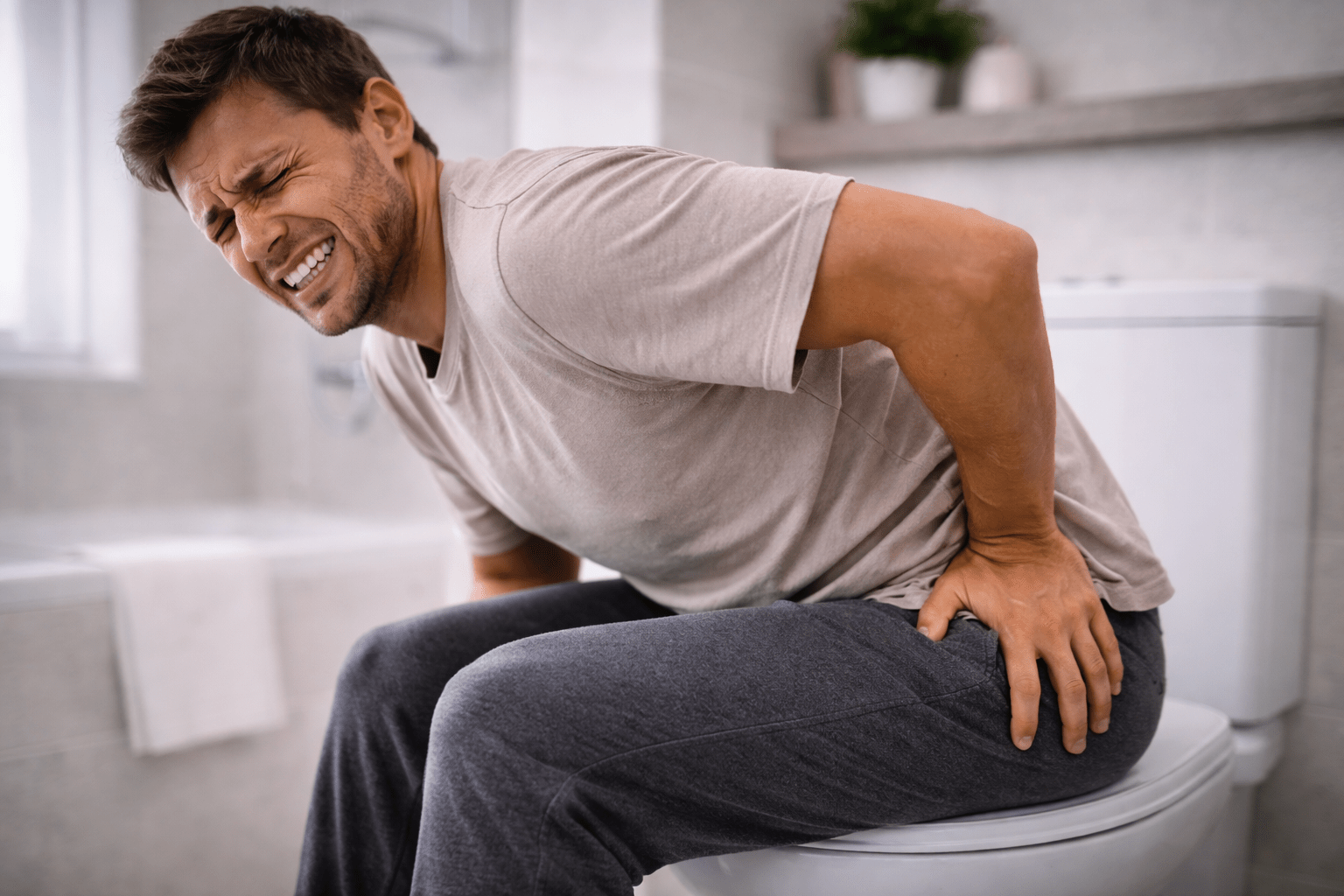
- Constant, throbbing pain that is often worse when sitting, coughing or passing stool
- A swollen, red, warm and tender lump at the edge of the anus
- Pus or blood draining from the area, which may bring sudden relief
- Fever, chills or feeling generally unwell
Deeper abscesses may not show a visible lump. Instead they can cause a dull ache or pressure in the rectum or lower belly, fever, and trouble passing urine.
The pain is intense for a simple reason: the area is packed with nerve endings, and pus collecting in a tight space builds pressure quickly.
Red flags: get help today
Go to an emergency department or call your local emergency number if you have:
- A high fever, shaking chills, or feel faint, confused or very unwell
- Redness, swelling or pain spreading quickly across the buttocks, groin or genitals
- Inability to pass urine
- Severe rectal pain with no visible lump, especially with fever
People with diabetes, a weakened immune system or who are on chemotherapy should seek care early, even with milder symptoms, because infections can spread faster.
What doctors usually do
The standard approach for most anal abscesses is to drain the pus. For an abscess near the skin, this is often a quick procedure using local anesthetic, sometimes done in a clinic or emergency department. Deeper or larger abscesses may be drained in an operating room under anesthesia.
Draining relieves the pressure, and many people feel noticeably better soon afterward. Antibiotics alone usually are not enough for an established abscess, although they may be added for some people, such as those with diabetes, spreading skin infection or certain heart conditions.
Please do not try to squeeze or lance an abscess at home. It can push infection deeper and is very painful.
Recovery at home
Your care team will give you specific instructions, and those come first. Many people also find these general steps helpful while the wound heals:
- Sitz baths: soaking the area in shallow warm water a few times a day, especially after a bowel movement, for comfort and cleanliness.
- Wound care: changing gauze or pads as advised and keeping the area clean and dry.
- Soft stools: drinking plenty of fluids and eating fiber-rich foods to avoid straining. Ask your doctor whether a stool softener makes sense for you.
- Pain relief: ask your doctor or pharmacist which over-the-counter options are suitable alongside your other medicines.
- Comfortable seating: a soft cushion and regular breaks from sitting.
- Follow-up visits: keep them, even when you feel better.
Call your doctor if pain, redness or swelling returns, if a fever develops, or if the area keeps draining for weeks after the wound should have closed.
The link with fistulas
After an abscess is drained, a small tunnel called an anal fistula sometimes forms between the inside of the anal canal and the skin. Signs include ongoing drainage from a small opening or an abscess that keeps coming back in the same spot. If this happens, it is not your fault and it is not a failure of your recovery. It simply means a specialist needs to take another look, as fistulas usually need their own treatment.
Talking about it
Pain in this area can feel isolating. You may find it hard to explain to an employer why you cannot sit, or to tell family what is going on. A short, honest explanation such as "I have an infection that needed a small procedure and I'm recovering" is usually enough. Doctors and nurses deal with these problems routinely, and the sooner you speak up, the sooner you can feel better.
It can also help to write down a few notes before your appointment: when the pain started, whether you have had a fever, any drainage you have noticed, and any history of bowel conditions, diabetes or previous abscesses. Having this ready makes the conversation shorter and less awkward.
Key points to remember
An anal abscess is a pocket of infection that usually needs draining by a professional. Seek care promptly, get urgent help for fever, spreading redness or trouble passing urine, and watch for ongoing drainage afterward, which may signal a fistula.
Support from people who have been there
If you're unsure what your symptoms mean, the free ItHurts Pain Check-Up can help you organize them. You can also browse our digestive and abdominal pain groups.
Join the Anal Abscess GroupReviewed by the ItHurts editorial team · Last reviewed 18 October 2026 · General information, not medical advice. If you are worried about your symptoms, talk to a doctor.
Some links are affiliate links. If you buy through them, ItHurts.com may earn a small commission at no extra cost to you.