


Why does the back of my knee feel full?
Maybe you noticed it while kneeling to tie a shoe: a squashy bulge behind the knee, or a feeling as if something is stuffed in the crease when you bend your leg. Sometimes it aches after a long walk; sometimes it is only visible when you stand with your leg straight. Very often, this turns out to be a Baker's cyst, also called a popliteal cyst.
A Baker's cyst is not a growth or a tumor. It is a pocket of joint fluid that has collected behind the knee. In most adults, it is a sign that something inside the knee is irritated, and the cyst tends to settle when that underlying problem is looked after.
How the cyst forms
Your knee joint is lined with tissue that makes synovial fluid, a slippery liquid that helps the joint move smoothly. When the knee is inflamed or damaged, it can make more fluid than usual. Behind the knee there is a small sac, called a bursa, that connects with the joint. Extra fluid can be pushed into that sac, a bit like a one-way valve, so it fills and bulges.
Conditions commonly linked with Baker's cysts include:
- Osteoarthritis of the knee
- Rheumatoid arthritis and other inflammatory arthritis
- A torn meniscus or other cartilage damage
- Previous knee injury or surgery
- Gout and other causes of joint inflammation
In children, Baker's cysts can appear without any obvious knee problem and often go away on their own, but any lump in a child should still be checked by a doctor.
What people usually notice
- A soft swelling behind the knee, often more obvious when standing
- Tightness or stiffness, especially when fully bending or straightening the leg
- An ache that gets worse with activity or after standing for a long time
- Symptoms of the underlying knee problem, such as pain at the front or sides of the knee, clicking or locking
Some cysts cause no symptoms at all and are found by chance on a scan.
The red flag: sudden calf pain or swelling
Occasionally a Baker's cyst ruptures, or leaks, and the fluid tracks down into the calf. This can cause sudden pain, swelling, redness and bruising in the lower leg. The difficulty is that these signs look very similar to a deep vein thrombosis (DVT), a blood clot in a leg vein, which is a medical emergency because a clot can travel to the lungs.
You cannot tell these apart at home. Please seek urgent medical care, the same day, if you have:
- New calf pain, swelling, warmth or redness, especially in one leg
- Shortness of breath, chest pain or coughing up blood. Call your local emergency number (911 in the US) straight away.
- A knee that is hot, red and swollen, with fever
- Numbness, tingling, coldness or color change in the foot
- Inability to put weight on the leg
Book a routine appointment if the lump is growing, painful, or not settling, or if you have ongoing knee pain you haven't had assessed. A doctor may examine the knee and sometimes arrange an ultrasound or other imaging to confirm what the lump is.
Everyday ways to stay comfortable
If a doctor has confirmed a Baker's cyst and the knee isn't hot or badly swollen, many people find these steps helpful:
- Pace your activity. Keep moving, but break up long walks, stairs and standing with rests.
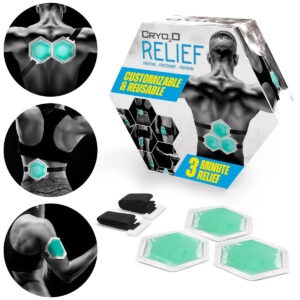
- Cool it after activity. A cold pack wrapped in a cloth for 15 to 20 minutes can ease swelling. Some people prefer gentle warmth for stiffness at other times.
- Elevate. Resting with the leg raised can reduce the feeling of fullness by the end of the day.
- Supportive footwear. Cushioned, stable shoes can reduce strain on the knee.
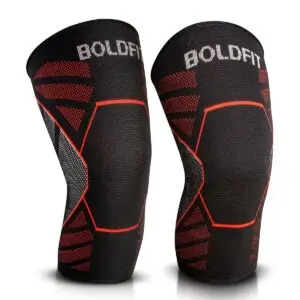
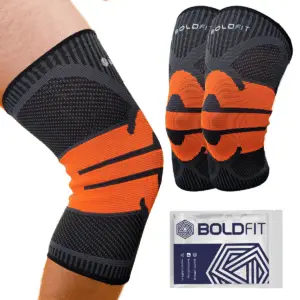
- A compression sleeve. Some people find a knee sleeve comfortable. Stop if it causes numbness or makes swelling below the knee worse.
- Gentle range-of-motion work. Easy heel slides and straightening exercises, within a comfortable range, help keep the joint from stiffening.

Relief picks for a sore knee
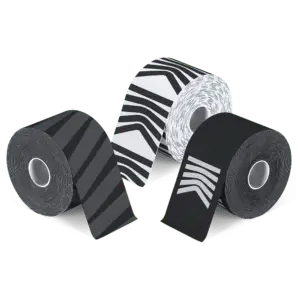
Hand-picked by ItHurts · an everyday option, a best overall and a clinical-grade upgrade
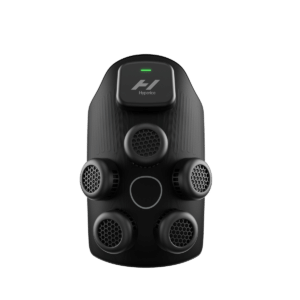
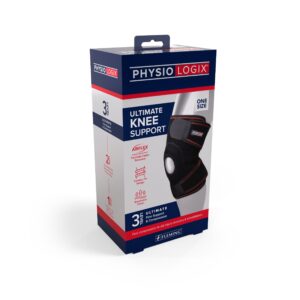
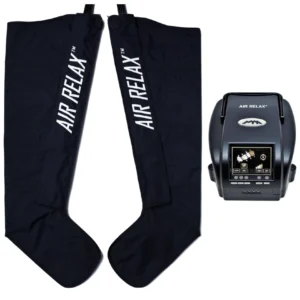
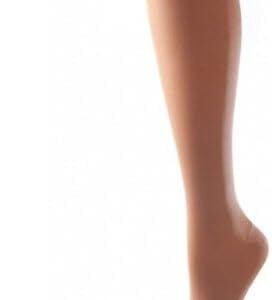
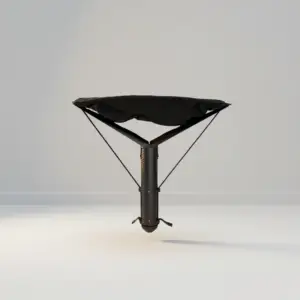
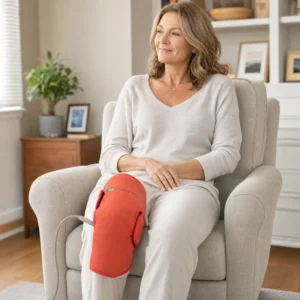
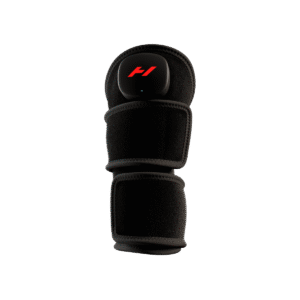
Some links are affiliate links. If you buy through them, ItHurts.com may earn a small commission at no extra cost to you.
What a clinician may suggest
Care is usually aimed at the knee problem underneath. That might mean managing arthritis, physical therapy to strengthen the muscles that support the knee, or assessment of a cartilage injury. If the cyst is large and uncomfortable, a doctor may discuss draining the fluid with a needle, sometimes with a steroid injection into the joint. Surgery to remove the cyst is uncommon and is generally considered only when other approaches haven't helped. Cysts may come back if the knee stays inflamed, which is another reason to look after the joint as a whole.
Living with a knee that swells
Many people with a Baker's cyst are also living with arthritis or an old knee injury, so the cyst is one part of a longer story. It helps to notice your own patterns: which activities leave the knee puffy that evening, and which ones it tolerates well. A physical therapist can help you build strength around the knee without overloading it. Swimming, cycling on a stationary bike and water exercise are options many people with sore knees find kinder than running.
Keep an eye on the other leg, too. People often shift weight to protect a sore knee, which can leave the hip or the opposite knee aching.
Putting it together
A Baker's cyst is a pocket of joint fluid behind the knee, usually caused by arthritis or a knee injury. Pacing, cold, elevation and strengthening help many people, and treating the knee itself often helps the cyst settle. Sudden calf pain or swelling is never something to wait out, because it needs urgent checking for a blood clot.
To map out your knee symptoms before an appointment, try our free Pain Check-Up. And if you'd like to hear from others managing sore knees, the knee, leg and shin pain groups are open to everyone.
Managing a Baker's cyst?
Our Baker's cyst support and recovery group is where members share exercises, flare-up tips and questions for their next appointment.
Join the Baker's Cyst GroupReviewed by the ItHurts editorial team · Last reviewed 18 October 2026 · General information, not medical advice. If you are worried about your symptoms, talk to a doctor.