


Small sore, outsized pain
Canker sores are usually no bigger than a pencil eraser, yet they can make a glass of orange juice, a salty snack, or even brushing your teeth feel like a challenge. Because the mouth is so sensitive and so busy, a tiny ulcer gets bumped and irritated all day long.
The good news is that most canker sores are harmless and settle on their own. This guide explains what they are, what seems to set them off, how to make the days more comfortable while they heal, and which signs mean you should see a dentist or doctor.
What a canker sore is, and what it is not
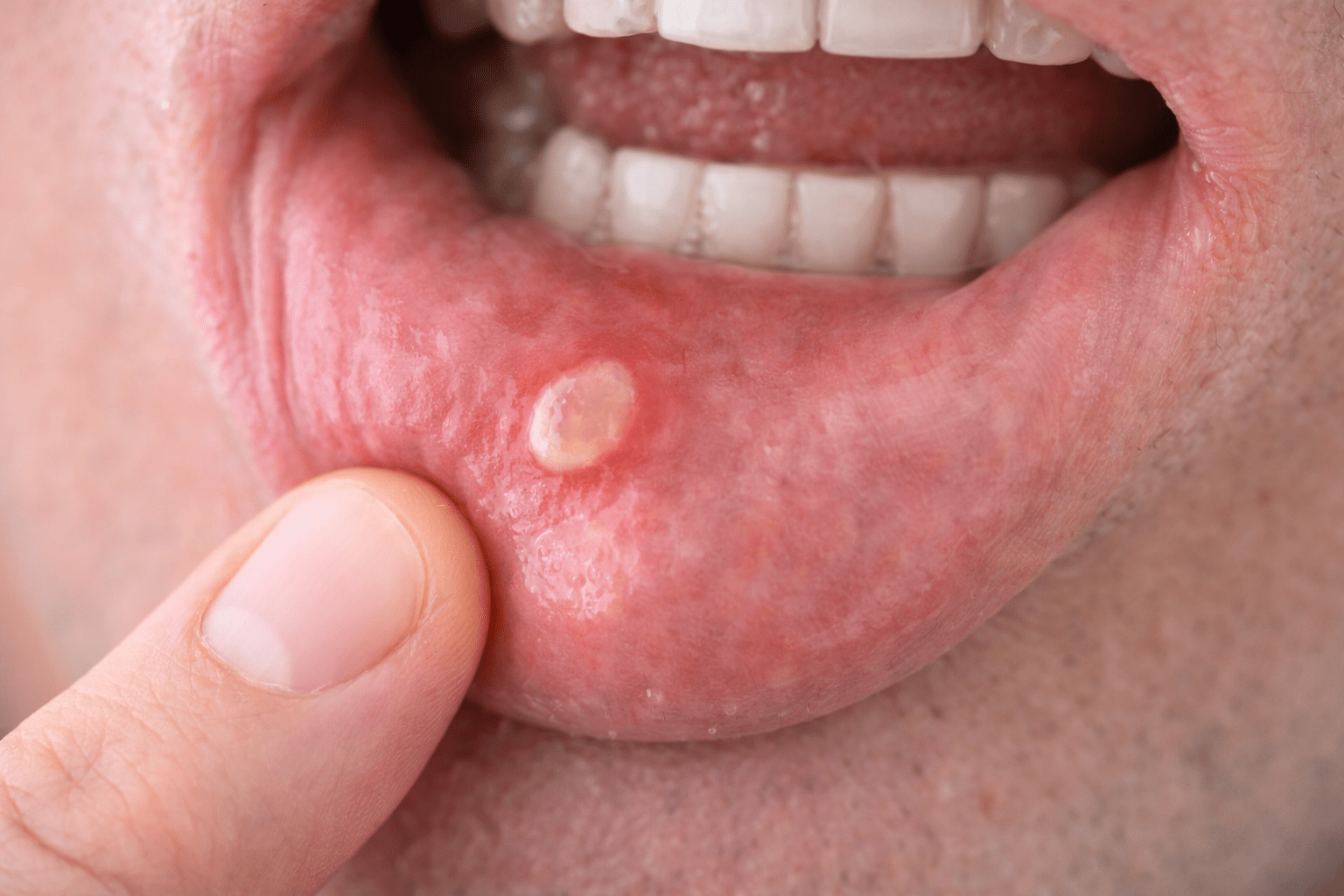
A canker sore, also called an aphthous ulcer, is a shallow, round or oval sore inside the mouth. It typically has a white, gray or yellowish center with a red border. You will usually find them on the inside of the lips or cheeks, under the tongue, or at the base of the gums.
Canker sores are different from cold sores. Cold sores are caused by a herpes virus, usually appear on or around the outside of the lips, start as small blisters, and are contagious. Canker sores appear inside the mouth and are not contagious.
There are a few types:
- Minor sores are the most common. They are small and usually fade within one to two weeks without scarring.
- Major sores are larger and deeper, can take several weeks to settle, and may leave a scar.
- Herpetiform sores are clusters of many tiny ulcers that can merge together. Despite the name, they are not caused by the herpes virus.
Why they appear
The exact cause is not fully understood, and many people never find a single trigger. Things commonly linked with canker sores include:
- Minor injury, such as biting your cheek, a sharp tooth, braces, ill-fitting dentures, or brushing too hard
- Stress and lack of sleep
- Hormonal changes, for example around periods
- Acidic or spicy foods, which can irritate the lining of the mouth
- Toothpastes containing sodium lauryl sulfate, a foaming agent some people are sensitive to
- Low levels of iron, vitamin B12 or folate
- A family history of canker sores
- Certain conditions affecting the gut or immune system, such as celiac disease or inflammatory bowel disease
Making the days easier while it heals
There is no instant fix, but many people find these steps take the edge off:
- Rinse with salt water. Dissolve about half a teaspoon of salt in a cup of warm water, swish gently, and spit. A few times a day is common.
- Choose soft, bland foods. Yogurt, oatmeal, eggs, mashed vegetables and soups are easier on the sore than chips, citrus, tomatoes or spicy dishes.
- Drink through a straw if acidic or hot drinks sting.
- Brush gently with a soft toothbrush, and consider a toothpaste free of sodium lauryl sulfate.
- Use something cold. Letting an ice chip melt near the sore can numb it briefly.
- Ask a pharmacist about over-the-counter gels, pastes or mouth rinses that coat or numb the sore. They can recommend something suited to you, including for children.
Try not to poke at the sore with your tongue or fingers. It is hard not to, but it can slow things down.
When a mouth sore needs checking
See a dentist or doctor if you have:
- A sore that has not healed after about two to three weeks
- Unusually large sores, or many sores at once
- Sores that keep coming back very often
- Pain so severe you cannot eat or drink enough
- Fever, swollen glands, or feeling generally unwell
- Sores on the outside of the lips, the genitals or the eyes as well
- A sore patch that is painless, hard, or has raised edges, or a red or white patch that will not go away
- Ongoing diarrhea, stomach pain, weight loss or tiredness alongside the sores
Any mouth ulcer that lasts longer than about three weeks should be examined, because a small number of long-lasting sores have other causes that need investigation. This is especially true for people who smoke or drink heavily. Get urgent help if a mouth or tongue swelling makes it hard to breathe or swallow.
If sores keep returning, a doctor may suggest blood tests to check iron, B12 and folate, or look for conditions such as celiac disease. A dentist can also smooth a sharp tooth edge or adjust an appliance that keeps rubbing.
Spotting your own patterns
For people who get canker sores regularly, keeping a simple record can be surprisingly useful. Note when each sore appears, what you ate in the day or two beforehand, your stress and sleep, your menstrual cycle if relevant, and any dental work or mouth injury. Over a few months you may see a pattern, such as sores following a stressful week or a particular food.
Small changes that many people find worthwhile:
- Switching to a gentler toothpaste and soft brush
- Eating more slowly to avoid biting the cheek
- Asking your dentist about wax for braces or a denture check
- Building in wind-down time during stressful periods
- Eating a varied diet, and asking your doctor before starting supplements
Living with recurring mouth sores
When canker sores keep coming back, they can wear you down. Meals become something to plan around, work calls feel harder, and it is easy to feel like nobody understands why such a small thing hurts so much. That frustration is valid. Talking with others who deal with the same problem can bring practical ideas and a sense of not being the only one.
The short version
Canker sores are common, not contagious, and usually fade within a week or two. Salt water rinses, gentle foods and a soft brush help many people get through them. A sore that lasts beyond two to three weeks, very large or frequent sores, or sores with fever or other symptoms should be checked by a dentist or doctor.
Use the free Pain Check-Up to keep track of what you are feeling, and find others with similar experiences in the dental and mouth pain support groups.
Mouth Pain Is Real Pain
Share the foods, routines and tips that get you through a canker sore flare.
Join the Canker Sore GroupReviewed by the ItHurts editorial team · Last reviewed 18 October 2026 · General information, not medical advice. If you are worried about your symptoms, talk to a doctor.
Some links are affiliate links. If you buy through them, ItHurts.com may earn a small commission at no extra cost to you.