

 Afghanistan
 Albania
 Algeria
 Andorra
 Angola
 Argentina
 Armenia
 Australia
 Austria
 Azerbaijan
 Bahrain
 Bangladesh
 Barbados
 Belarus
 Belgium
 Belize
 Benin
Benin
 Bhutan
 Bolivia
 Bosnia and Herzegovina
 Botswana
 Brazil
 Brunei
 Bulgaria
 Burkina Faso
 Burundi
 Cambodia
 Cameroon
 Canada
 Cape Verde
 Central African Republic
 Chad
Chad
 Chile
Chile
 China
China
 Colombia
 Comoros
 Congo
Congo
 Costa Rica
 Croatia
 Cuba
Cuba
 Cyprus
 Czech Republic
 Denmark
 Djibouti
 Dominican Republic
 Ecuador
 Egypt
Egypt
 El Salvador
 Estonia
 Ethiopia
 Finland
 France
 Gabon
Gabon
 Gambia
 Georgia
 Germany
 Ghana
Ghana
 Greece
 Guatemala
 Guinea
 Guyana
 Haiti
Haiti
 Honduras
 Hungary
 Iceland
 India
India
 Indonesia
 Iran
Iran
 Iraq
Iraq
 Ireland
 Israel
 Italy
Italy
 Jamaica
 Japan
Japan
 Jordan
 Kazakhstan
 Kenya
Kenya
 Kuwait
 Kyrgyzstan
 Laos
Laos
 Latvia
 Lebanon
 Lesotho
 Liberia
 Libya
Libya
 Lithuania
 Luxembourg
 Madagascar
 Malawi
 Malaysia
 Maldives
 Mali
Mali
 Malta
Malta
 Mauritania
 Mauritius
 Mexico
 Moldova
 Mongolia
 Montenegro
 Morocco
 Mozambique
 Myanmar
 Namibia
 Nepal
Nepal
 Netherlands
 New Zealand
 Nicaragua
 Niger
Niger
 Nigeria
 Norway
 Oman
Oman
 Pakistan
 Panama
 Paraguay
 Peru
Peru
 Philippines
 Poland
 Portugal
 Qatar
Qatar
 Romania
 Russia
 Rwanda
 Saudi Arabia
 Senegal
 Serbia
 Singapore
 Slovakia
 Slovenia
 South Africa
 South Korea
 Spain
Spain
 Sri Lanka
 Sudan
Sudan
 Sweden
 Switzerland
 Syria
Syria
 Taiwan
 Tajikistan
 Tanzania
 Thailand
 Turkey
 Turkmenistan
 Uganda
 Ukraine
 United Arab Emirates
 United Kingdom
 United States
 Uruguay
 Uzbekistan
 Venezuela
 Vietnam
 Yemen
Yemen
 Zambia
 Zimbabwe
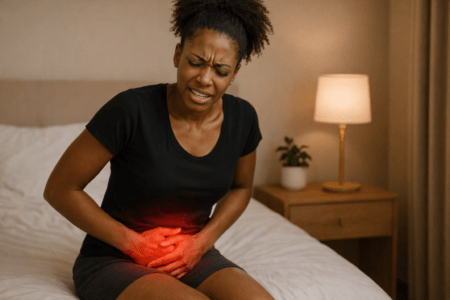
When Intimacy Turns Into “Ouch”: Living With Dyspareunia 💔🔥 Pain where there should be pleasure — and why you’re not alone. The Intro / Hook There are many moments in adult life we don’t exactly look forward to — dentist drills, traffic at 5 p.m., your boss saying “got a minute?” — but Dyspareunia? That’s in a league of its own. 😖 Nothing knocks the wind out of a perfectly good mood like pain where there should be pleasure. It can feel like your body suddenly hired a tiny gremlin whose only job is to press a panic button every time things get intimate. Not helpful. Not cute. Definitely not romantic. And if you’ve ever tried to explain Dyspareunia to someone who’s never dealt with it, you know the face they make — that polite, confused, head-tilting “Oh… does it hurt?” expression. Yes, Karen. It hurts. You deserve answers, reassurance, and zero shame about it. Quick note: This isn’t medical advice, just friendly info and encouragement. Always talk with a qualified pro about your own situation. Let’s dig into the actual “why,” the “ugh,” and the “what might help” — without losing your sense of humor along the way. What’s Actually Going On? 🧠🩺 How Dyspareunia Works (in plain English) Dyspareunia refers to pain that happens during or after intimacy, and it can show up in a bunch of different ways — sharp, burning, tight, deep, surface-level, or “please stop right now” uncomfortable. Think of your body like a little ecosystem: muscles, nerves, hormones, circulation, emotions — everything’s connected. When one area gets irritated, tense, or out of balance, the whole system reacts. Common contributors include: Pelvic floor muscle tightness Hormonal changes (hello, dryness and irritation) Infections or skin sensitivity Trauma, stress, or fear of pain Post-surgery tension or scar tissue It’s not “all in your head,” and it’s not because you’re doing anything wrong. Dyspareunia is a real physical experience with real causes — and many options for relief. Why It Hurts (and Why You’re NOT Crazy) 😤 One of the worst parts of Dyspareunia is the invisible emotional load. Embarrassment, fear, frustration, and pressure to “just relax” can make everything worse. You’re not dramatic. You’re not broken. You’re not imagining it. Your body doesn’t need pressure — it needs understanding. “Dyspareunia: Because apparently my body signed me up for a pain subscription I never requested.” When to Call in the Pros ⚠️ Pain that’s sudden, intense, or worsening Unexplained bleeding Fever, chills, or flu-like symptoms New pelvic pain after injury or procedure Pain affecting daily activities Pain that continues despite home strategies You’re not diagnosing yourself — you’re noticing patterns and advocating for yourself. Home Strategies That Actually Help 🏡 Everyday Tweaks Use far more lubrication than you think you need Slow pacing and reduced friction Positions that give you control Avoid scented or harsh products Choose soft, breathable fabrics Gentle Movement Deep belly breathing Warm baths Pelvic floor relaxation exercises Gentle hip and lower-back stretches Comfort Hacks Warmth before intimacy Soft cushions for support Low-pressure environments Open communication beforehand This is not about “fixing yourself.” It’s about helping your body feel safe. The Emotional Side No One Talks About Enough 💭💗 Pain during intimacy can shake confidence, relationships, and self-trust. You’re not alone in this — many people experience Dyspareunia and feel too embarrassed to talk about it. Your body is not a problem to solve — it’s a partner you get to learn and care for. Conclusion: You Are Not Alone 🌱💜 Dyspareunia is personal, complex, and heavy — but relief, confidence, and comfort are possible. Small steps count. Asking for help counts. Hope absolutely counts. Join the ItHurts Community 💬 You don’t have to go through Dyspareunia solo. Join the Community Warm + Playful Medical Disclaimer This article is educational and supportive, not a substitute for professional care. Use it as a conversation starter with a qualified clinician, not a replacement for treatment.
 Written by Karrie