United States
Afghanistan
Albania
Algeria
Andorra
Angola
Argentina
Armenia
Australia
Austria
Azerbaijan
Bahrain
Bangladesh
Barbados
Belarus
Belgium
Belize
Benin
Bhutan
Bolivia
Bosnia and Herzegovina
Botswana
Brazil
Brunei
Bulgaria
Burkina Faso
Burundi
Cambodia
Cameroon
Canada
Cape Verde
Central African Republic
Chad
Chile
China
Colombia
Comoros
Congo
Costa Rica
Croatia
Cuba
Cyprus
Czech Republic
Denmark
Djibouti
Dominican Republic
Ecuador
Egypt
El Salvador
Estonia
Ethiopia
Finland
France
Gabon
Gambia
Georgia
Germany
Ghana
Greece
Guatemala
Guinea
Guyana
Haiti
Honduras
Hungary
Iceland
India
Indonesia
Iran
Iraq
Ireland
Israel
Italy
Jamaica
Japan
Jordan
Kazakhstan
Kenya
Kuwait
Kyrgyzstan
Laos
Latvia
Lebanon
Lesotho
Liberia
Libya
Lithuania
Luxembourg
Madagascar
Malawi
Malaysia
Maldives
Mali
Malta
Mauritania
Mauritius
Mexico
Moldova
Mongolia
Montenegro
Morocco
Mozambique
Myanmar
Namibia
Nepal
Netherlands
New Zealand
Nicaragua
Niger
Nigeria
Norway
Oman
Pakistan
Panama
Paraguay
Peru
Philippines
Poland
Portugal
Qatar
Romania
Russia
Rwanda
Saudi Arabia
Senegal
Serbia
Singapore
Slovakia
Slovenia
South Africa
South Korea
Spain
Sri Lanka
Sudan
Sweden
Switzerland
Syria
Taiwan
Tajikistan
Tanzania
Thailand
Turkey
Turkmenistan
Uganda
Ukraine
United Arab Emirates
United Kingdom
United States
Uruguay
Uzbekistan
Venezuela
Vietnam
Yemen
Zambia
Zimbabwe

Category: best reviewed products

Harnessing Mindfulness: A Pathway Through Pain

Harnessing Mindfulness: A Pathway Through Pain Chronic pain affects millions of people worldwide, not only physically but also mentally, leading to a myriad of psychological repercussions such as anxiety, depression, and heightened stress. The relentless nature of pain can trap individuals in a vicious cycle of physical discomfort and emotional turmoil. However, mindfulness—a practice rooted in ancient traditions and confirmed by modern psychology—offers a promising avenue for those seeking respite and healing. This article delves into how mindfulness can be a transformative tool in managing chronic pain and its associated psychological impacts, providing a guide to various techniques and sharing insights from experts and those who have experienced its benefits firsthand. Understanding Mindfulness and Its Relevance to Pain Mindfulness is the psychological process of actively paying attention to the present moment with openness, curiosity, and acceptance. This kind of attention interrupts the habitual responses to pain, which often involve mental and emotional resistance. Experts in the field of psychology suggest that mindfulness can modify the perception of pain. The principle here is simple yet profound: pain is inevitable, but suffering is optional. Mindfulness teaches separating the physical sensation of pain from the emotional reactions to it. By focusing on the present and accepting the pain, many report lower pain levels and a better quality of life. Mindfulness Techniques to Manage Pain Several mindfulness techniques have been shown to effectively reduce the intensity of pain and alleviate the psychological conditions associated with it. Here are a few practices tailored specifically for those dealing with chronic pain: Mindful Meditation: This involves sitting quietly and paying attention to thoughts, sounds, the sensations of breathing, or parts of the body. Mindful meditation helps to achieve a state of calm and balance, significantly reducing the stress hormones that exacerbate pain sensations. Body Scan: This technique involves lying down and mentally scanning your body for areas of tension and relaxation, without trying to change anything. The body mental healthscan fosters greater awareness of the physical body and can help break the cycle of physical stress and tension that contributes to chronic pain. Mindful Breathing: Focusing on the breath is a fundamental aspect of all forms of meditation. By concentrating solely on breathing, one can control the body’s response to pain. Deep, rhythmic breathing is especially effective for easing anxiety and depression related to pain. Mindful Movement: Practices like yoga and tai chi incorporate gentle movements with breath control. These activities not only improve flexibility and strength but also reduce pain perception through mindful awareness. Integrating Mindfulness into Daily Life Adopting mindfulness into daily life doesn’t require special equipment or excessive time. It starts with small steps: Begin with short, five-minute meditation sessions each day and gradually increase the time. Use mindful breathing techniques during moments of heightened pain or stress. Incorporate a daily body scan before sleep to help unwind and reduce pain-related insomnia. How to Progress Safely in Flexibility Training Start Slowly: Begin with gentle stretches and gradually increase the intensity as your flexibility improves. Listen to Your Body: Avoid pushing yourself to the point of pain. Stretching should cause a feeling of slight tension or a mild pull, not pain. Be Consistent: Consistency is key in improving flexibility. Aim to stretch at least 3-4 times per week. Incorporate Variety: Use a variety of stretches to target different muscle groups and improve overall flexibility. Real-life Stories: The Impact of Mindfulness on Pain Individuals with chronic pain have shared transformative stories about incorporating mindfulness into their lives. For some, a daily practice of meditation and participation in mindfulness groups led to gradual improvements in pain levels and, most importantly, the ability to cope with pain. These individuals often express that while the pain remains, it no longer controls their life. Expert Opinions on Mindfulness and Pain Experts in pain management are increasingly advocating for mindfulness as a complementary treatment. It’s recognized not as a cure for chronic pain but as a crucial tool in managing it. It empowers patients, giving them a sense of control over their pain, which is vital for their mental health. Conclusion Mindfulness is not just a practice but a way of life that offers profound benefits for those suffering from chronic pain and its psychological effects. By embracing mindfulness, individuals can embark on a journey of self-discovery and empowerment, leading to a more manageable and fulfilling life despite the challenges of chronic pain. Whether through meditation, body scans, or mindful breathing, each step taken is a step toward a more present and less painful existence.

Stretch Smarter: Improve Flexibility Safely

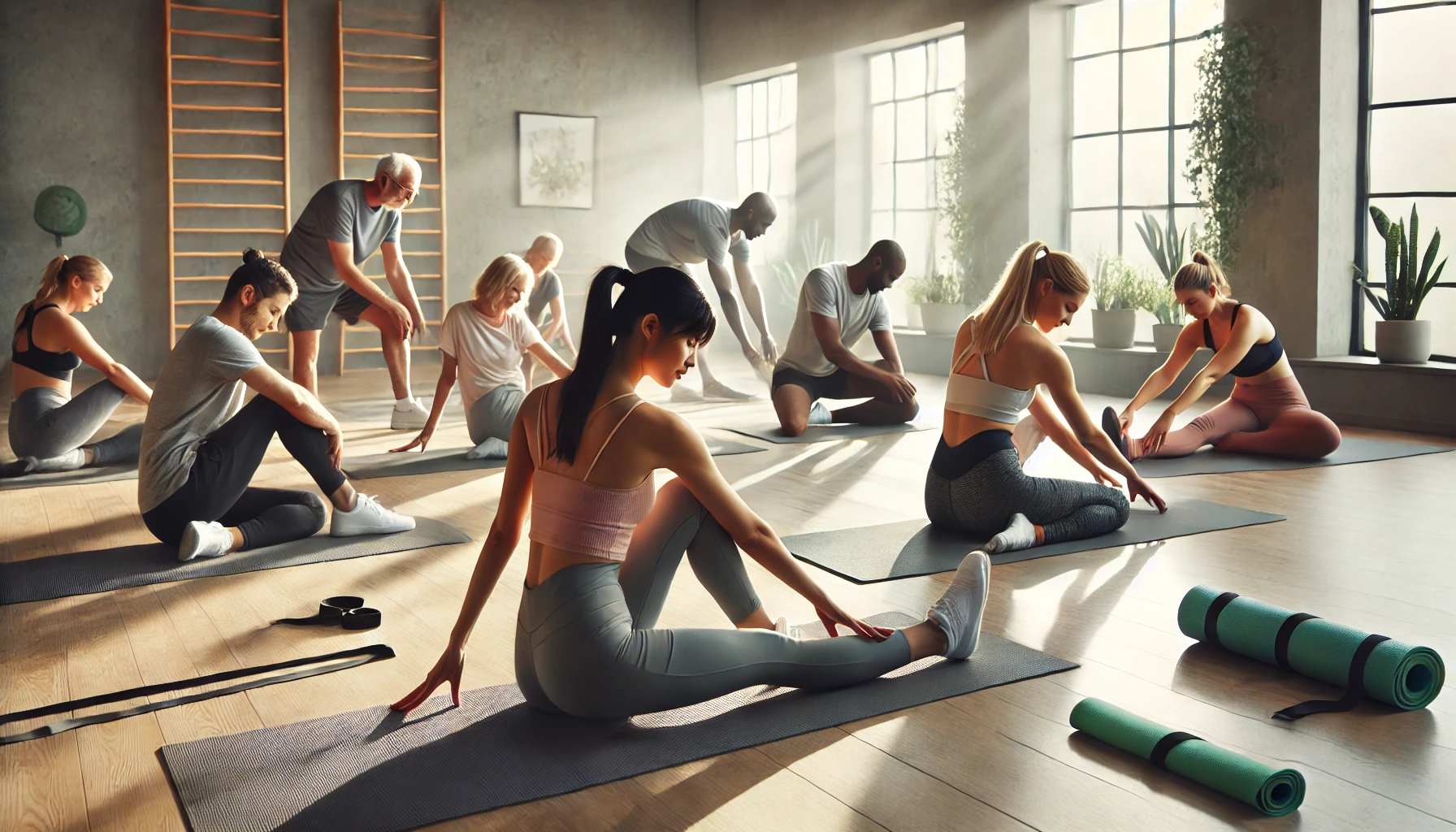
Elasticity Through Exercise: A Guide to Increasing Flexibility Safely Flexibility is a fundamental aspect of physical fitness that enhances your range of motion, improves your performance in physical activities, and decreases your risk of injuries. A flexible body is also more efficient at movement and can maintain a more balanced muscle structure. This article explores various stretching routines and flexibility exercises designed to increase muscle elasticity and joint range of motion. It will discuss the importance of warming up properly to prevent injuries and provide detailed instructions on effective stretching techniques that can be practiced at home or in the gym. Furthermore, the piece will offer expert advice on how to progress safely in flexibility training and how often to stretch to achieve optimal benefits. The Importance of Flexibility Flexibility refers to the ability of your muscles and joints to move through their complete range of motion. It is an often overlooked component of physical fitness but is critical for maintaining a healthy, active lifestyle as it facilitates daily activities and reduces the risk of injuries. Enhanced flexibility can also lead to better posture, reduced muscle soreness, and lower stress levels. Benefits of Increasing Flexibility Improved Physical Performance: Greater flexibility allows for more significant movement in the joints, which can enhance athletic performance. Decreased Risk of Injuries: Flexible muscles are less likely to become injured when they are stretched. Tight muscles can result in a decrease in your range of motion, which can lead to strained muscles and tendons. Enhanced Postural Alignment: Stretching helps correct posture by lengthening tight muscles that pull areas of the body away from their intended position. Reduced Pain and Stiffness: Increased flexibility often alleviates muscle tension and pain, particularly in the back and neck areas. Warming Up for Flexibility Exercises Before delving into any stretching routine, warming up is essential to prepare the muscles and reduce the risk of injury. A warm-up should involve light physical activity that gradually increases your heart rate and blood flow to muscles. Examples include brisk walking, light jogging, or dynamic stretches such as leg swings and arm circles. These activities help to increase the temperature and elasticity of muscle tissue, making them more amenable to stretching. Effective Stretching Techniques Static Stretching: This involves extending a muscle to its furthest point and then holding that position. Examples include toe touches or stretches where you hold a position for 15-30 seconds. This type of stretching is beneficial after you have completed your exercise routine. Dynamic Stretching: These are controlled movements that prepare your muscles, ligaments, and other soft tissues for performance and safety. Examples include arm swings, which involve swinging your arms in circles to warm up the upper body. PNF Stretching (Proprioceptive Neuromuscular Facilitation): This method combines passive stretching and isometric stretching to achieve maximum static flexibility. It typically involves holding a stretch while contracting and relaxing the muscle. How to Progress Safely in Flexibility Training Start Slowly: Begin with gentle stretches and gradually increase the intensity as your flexibility improves. Listen to Your Body: Avoid pushing yourself to the point of pain. Stretching should cause a feeling of slight tension or a mild pull, not pain. Be Consistent: Consistency is key in improving flexibility. Aim to stretch at least 3-4 times per week. Incorporate Variety: Use a variety of stretches to target different muscle groups and improve overall flexibility. How Often to Stretch For optimal benefits, incorporate flexibility exercises into your daily routine. Even a few minutes a day can significantly impact your flexibility, particularly if you focus on areas of the body that are typically tight, such as the hips, lower back, and shoulders. Conclusion Increasing your flexibility is a worthwhile endeavor that can enhance your overall quality of life by improving physical performance, reducing your risk of injuries, and decreasing muscle tension and pain. By following the guidelines outlined in this article, you can safely and effectively enhance your muscle elasticity and joint range of motion through regular flexibility exercises.

Build Strength and Flexibility with Exercise

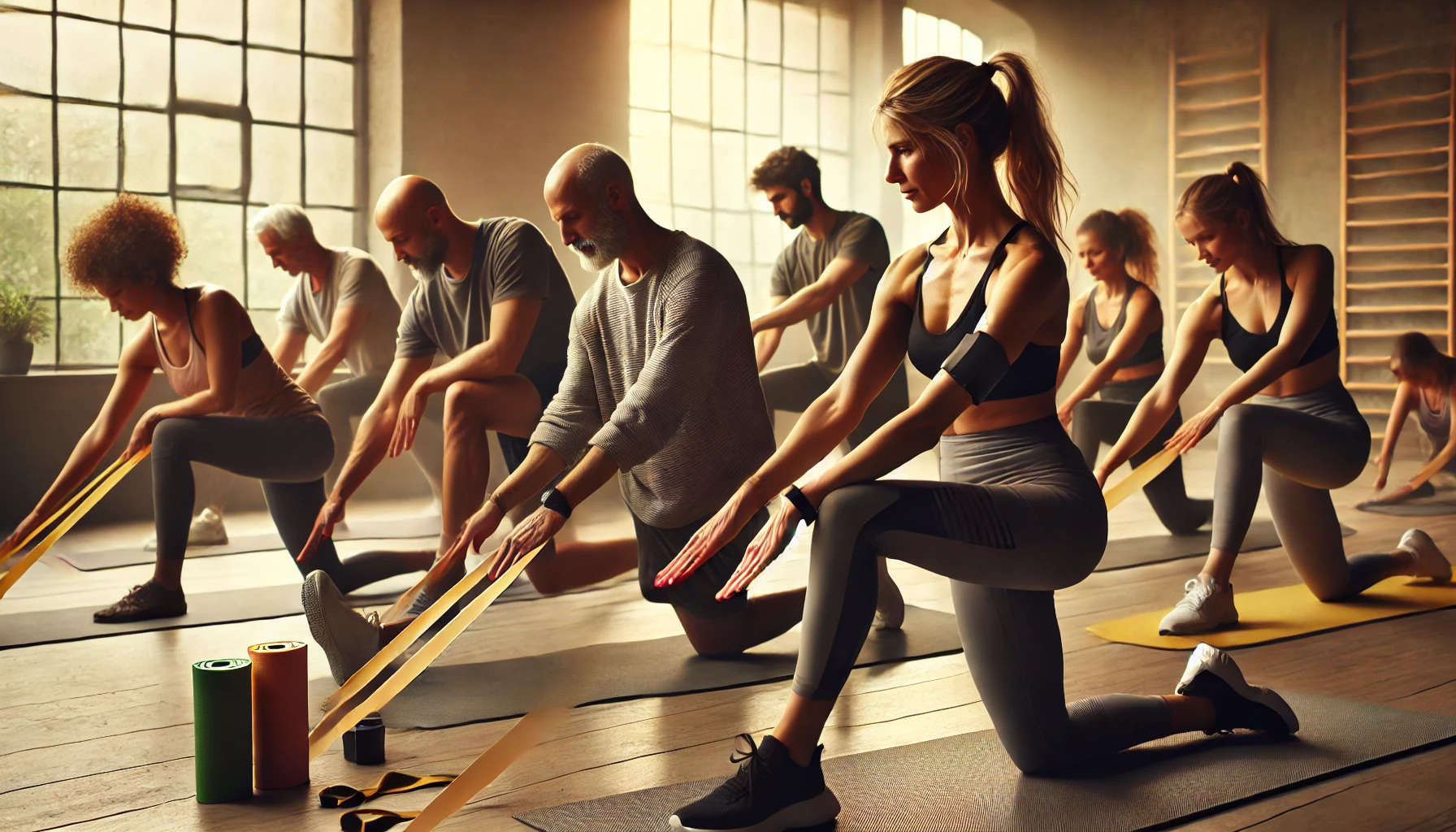
Future-Proof Your Body: Proactive Tips for Building Strength and Flexibility In today’s fast-paced world, maintaining and enhancing physical health is more critical than ever. Strength and flexibility are foundational elements of a healthy body, helping to prevent injuries, reduce pain, and improve overall well-being. This comprehensive guide offers practical tips on how to seamlessly integrate strength and flexibility training into your daily routine, set realistic goals, and stay motivated over the long term. Additionally, it covers preventive measures to avoid overexertion and injury, highlighting the importance of listening to your body and consulting professionals when necessary. The Importance of Strength and Flexibility Strength training builds muscle, improves metabolic rate, and supports bone health, while flexibility training is crucial for maintaining joint health and preventing muscle imbalances. Together, these practices not only enhance physical capacities but also contribute to better posture, greater balance, and increased physical efficiency. Practical Ways to Integrate Exercise into Daily Life Use Resistance Bands at the Office: Keep a set of resistance bands in your office drawer for quick strength exercises like chest pulls or leg extensions right at your desk. Stretch During TV Commercials: Utilize the time during commercials to stand up and perform dynamic stretches or balance exercises. Choose Stairs Over Elevators: Opt for the stairs whenever possible to strengthen your leg muscles and improve cardiovascular health. Walk or Bike to Work: Incorporate aerobic exercise into your commute by walking or cycling instead of driving. Deskercise: Incorporate simple exercises like seated leg raises or desk push-ups into your routine to stay active even while seated. Setting Realistic Goals and Tracking Progress Setting realistic, measurable goals is crucial for motivation and progress in any fitness regimen. Start by establishing clear, achievable objectives based on your current fitness level and lifestyle. Track your progress with a fitness app or a journal to keep yourself accountable and motivated. Celebrating small victories along the way can also provide a significant psychological boost. Staying Motivated Staying motivated can be challenging, especially when life gets busy. Here are some strategies to keep you engaged: Vary Your Routine: Mixing different types of exercises can keep the routine interesting and challenge different muscle groups. Find a Workout Buddy: Having a friend to exercise with can increase your commitment and make workouts more enjoyable. Join Classes: Participating in group fitness classes can add a social element to your routine, making it more engaging. Preventive Tips to Avoid Overexertion and Injury Warm Up Properly: Always start with a warm-up to prepare your body for exercise and prevent injuries. Cool Down: End your exercise sessions with a cool-down period and some stretching to help your muscles recover. Listen to Your Body: Pay attention to what your body is telling you. If you experience pain or discomfort, modify your exercise or take a break. Consult Professionals: Especially if you are new to exercise or have existing health concerns, consulting with a fitness trainer or a physical therapist can provide tailored advice and safe exercise routines. Conclusion Building strength and flexibility are about more than just physical health; they are about enhancing quality of life and ensuring longevity. By integrating these exercises into your daily routine and following practical, proactive tips, you can future-proof your body against common health issues and enjoy a more active, fulfilling lifestyle. Image Prompt Recommendations for Article Incorporation: An image of a person using resistance bands in a bright, modern office setting. This photo should capture the ease with which office exercises can be integrated into a busy workday. A dynamic photo of a group of people stretching in a park at dusk. This image should convey the community and enjoyment of engaging in physical activity outdoors, emphasizing the integration of exercise into everyday life.

Low-Impact Exercises for Joint Flexibility

Gentle Giants: Low-Impact Exercises for Enhanced Strength and Flexibility In the pursuit of physical fitness, the notion that only high-impact exercises such as running or jumping are effective is a common misconception. Low-impact exercises can be equally effective, particularly for those seeking to enhance strength and flexibility without overburdening their joints. This article explores a range of low-impact exercises, such as swimming, cycling, yoga, and Pilates, explaining their benefits and providing guidance on how to integrate them into a weekly routine tailored to various fitness levels and health conditions. Understanding Low-Impact Exercises Low-impact exercises are activities that involve a minimal amount of stress on the joints because at least one foot stays in contact with the ground at all times. This is contrary to high-impact exercises like jogging or plyometrics, where both feet may leave the ground simultaneously, causing stress on the joints upon landing. Low-impact exercises are ideal for people with joint pain, seniors, those who are pregnant, or individuals recovering from injury. Key Low-Impact Exercises and Their Benefits Swimming: Swimming is a total-body workout that involves almost every muscle group, providing a rigorous cardiovascular and muscular workout without any impact on joints. The buoyancy of water supports the body, reducing the strain on joints and minimizing pain. Cycling: Whether stationary or on a road, cycling is an excellent way to build leg strength and boost cardiovascular health with little joint strain. It can also improve balance and endurance over time. Yoga: Yoga combines stretches with static and dynamic movements that enhance flexibility, core strength, and balance. It also promotes mental well-being through meditation and controlled breathing, which can reduce stress and improve concentration. Pilates: Focused on slow, controlled movements and precise body alignment, Pilates strengthens the core muscles of the body, which are crucial for overall stability and strength. It also enhances flexibility and can help prevent injuries by correcting muscle imbalances. Incorporating Low-Impact Exercises into Your Routine Integrating low-impact exercises into your weekly routine requires consideration of your current fitness level, any underlying health conditions, and your fitness goals. Here’s how to get started: Beginners: Start with activities like gentle yoga classes or short cycling sessions. Gradually increase the duration as your fitness improves. Intermediate: Incorporate a mix of activities such as swimming and Pilates. Try to vary exercises to target different muscle groups and improve overall body strength and flexibility. Advanced: Challenge yourself with more intense versions of low-impact exercises, like power yoga or uphill cycling. You can also increase the frequency of workouts. For Specific Health Conditions: Consult with a healthcare provider or a physical therapist to tailor exercises that are safe and beneficial. For instance, water aerobics is highly recommended for those with arthritis. Tips for Success Set Realistic Goals: Define clear, achievable goals based on your health and fitness levels. Listen to Your Body: Pay attention to how your body feels during and after exercise. Adjust your activities to avoid any discomfort or pain. Conclusion Low-impact exercises are a powerful tool for improving strength and flexibility, providing significant health benefits without stressing the body. By incorporating activities such as swimming, cycling, yoga, and Pilates into your fitness routine, you can achieve a balanced and healthy lifestyle suitable for all ages and fitness levels.