


A pattern many people recognize
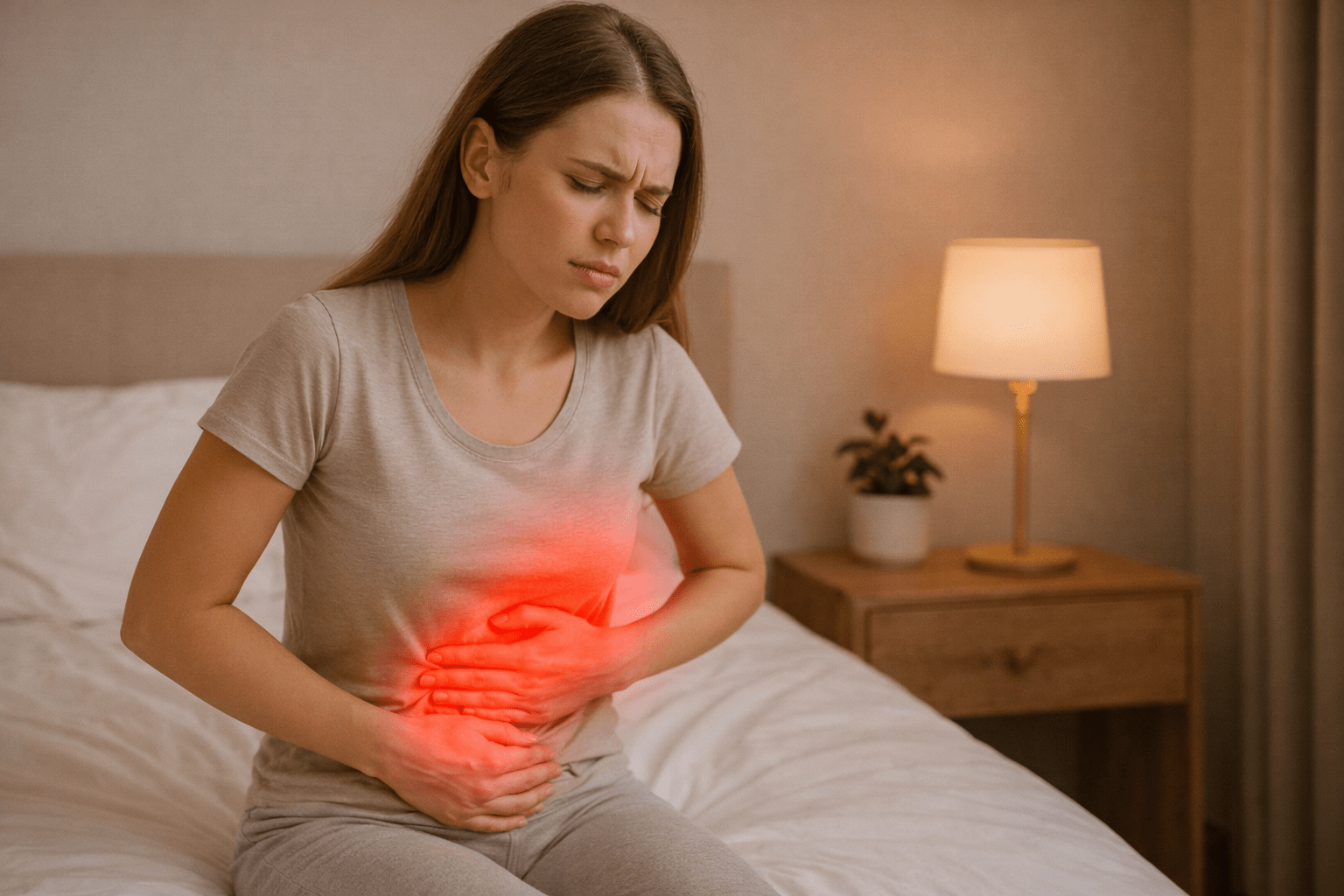
It often begins in the evening, sometimes an hour or so after a big or rich meal. A deep, steady ache builds in the upper right part of the belly, just under the ribs, or in the center just below the breastbone. It may spread to the back or the right shoulder blade. You can't get comfortable, you may feel sick, and then, after a few hours, it gradually fades, leaving you sore and worried.
That is a classic description of a gallstone attack. Gallbladder problems are common, and many people have gallstones without knowing. When they do cause symptoms, it helps to understand what's happening and which signs mean you need care quickly.
What the gallbladder does
Your gallbladder is a small, pear-shaped pouch tucked under the liver. It stores bile, a digestive fluid made by the liver, and squeezes it into the small intestine when you eat, especially when a meal contains fat. Most of the time you never notice it working.
Common causes of gallbladder pain
- Gallstones. Hard deposits that form in the gallbladder. Pain usually happens when a stone temporarily blocks the outflow as the gallbladder squeezes. Doctors call this biliary colic.
- Cholecystitis. Inflammation of the gallbladder, most often because a stone stays stuck. Pain lasts longer, is more severe, and often comes with fever.
- Stones in the bile duct. A stone that moves into the main bile duct can block bile flow from the liver, causing yellowing of the skin or eyes.
- Pancreatitis. A stone can block the duct shared with the pancreas, leading to severe upper belly pain that often goes through to the back.
- Sludge or functional problems. Thickened bile or a gallbladder that doesn't empty well can cause similar symptoms.
Gallstones are more common in women, people over 40, during pregnancy, with obesity, after rapid weight loss, and in people with a family history. But anyone can get them.
How it tends to feel
- Steady, intense ache in the upper right or upper middle abdomen, rather than cramping that comes in waves
- Pain spreading to the back or right shoulder blade
- Nausea, sometimes vomiting
- Episodes lasting from around half an hour to several hours
- Often, though not always, after eating, or at night
- Bloating or indigestion-like discomfort between attacks for some people
Get urgent care if
- Pain is severe and lasts more than a few hours, or keeps getting worse
- You have a fever or shaking chills with belly pain
- Your skin or the whites of your eyes turn yellow
- Your urine turns dark or your stools become pale
- You can't keep fluids down
- Pain goes straight through to your back and you feel very unwell
And call 911 or your local emergency number if upper belly or chest pain comes with shortness of breath, sweating, pain in the arm or jaw, or a feeling of pressure. Heart attacks can feel like indigestion or gallbladder pain, especially in women and older adults, so don't try to sort that out at home.
Even if an attack has passed, book an appointment with your doctor to talk about it. An ultrasound scan is a common, painless first test.
What may help, alongside medical advice
During an attack
- Stop eating and sip water if you can keep it down
- Find a comfortable position; many people prefer sitting up or lying on their left side
- A warm (not hot) compress over the area may be comforting, but don't let it delay getting help for warning signs
- Ask a pharmacist or doctor which pain relief is suitable for you
Between attacks
- Smaller, more regular meals rather than large, heavy ones
- Going easier on very fatty or fried foods, which many people notice as a trigger
- Plenty of fiber from vegetables, fruit and whole grains
- Avoiding crash diets; if you want to lose weight, a steady pace is generally recommended
- Staying active with regular, moderate movement
Diet changes may reduce how often symptoms flare for some people, but they don't dissolve existing stones. That is a conversation for your care team.
What a doctor may suggest
If gallstones are causing repeated symptoms, a common recommendation is surgery to remove the gallbladder, often done through small keyhole incisions. People can live normally without a gallbladder, though some notice changes in digestion for a while afterward. Infections and duct blockages are usually treated in hospital, sometimes with a procedure to clear the stone. Stones that cause no symptoms are often simply monitored. Ask about the benefits, risks, recovery time and alternatives for your situation.
Living with it while you wait
Many people end up waiting weeks for a scan, a specialist or surgery, and the uncertainty can be stressful. It helps to keep a simple log of each episode: when it started, how long it lasted, what you'd eaten, and any other symptoms. Plan lighter meals before important events, keep your doctor's number handy, and make sure someone close to you knows the warning signs too. If episodes are becoming more frequent or severe while you wait, let your care team know.
Key points
Gallbladder pain is most often caused by gallstones and tends to strike after meals or at night, settling over hours. Smaller, lighter meals help some people, but attacks still need medical assessment. Fever, yellow skin or eyes, dark urine, pale stools, or pain that won't ease need urgent care.
Want help describing your symptoms? Try our free Pain Check-Up. You can also join conversations in the abdominal and digestive pain groups.
Waiting on a scan or surgery?
Our gallbladder pain group is a place to ask about tests, meals and recovery, and to hear from people a few steps ahead.
Join the Gallbladder GroupReviewed by the ItHurts editorial team · Last reviewed 18 October 2026 · General information, not medical advice. If you are worried about your symptoms, talk to a doctor.
Some links are affiliate links. If you buy through them, ItHurts.com may earn a small commission at no extra cost to you.