

mariadean

Unlocking Joint Health: How to Prevent and Reduce Joint Pain
Unlocking Joint Health: How to Prevent and Reduce Joint Pain Author: ItHurts.com A Comprehensive Talk on Say Goodbye to Joint Pain Understanding the Basics: Joint pain affects millions worldwide, diminishing the quality of life for individuals across all age groups. Whether caused by injury, overuse, or underlying medical conditions, joint pain can limit mobility and productivity, making prevention and relief essential for overall well-being. This article explores joint pain in detail, including its causes, presentation, treatment, scientific insights, and prevention strategies. Understanding Joint Pain: Types and Characteristics Joint pain can manifest in different forms and intensities, depending on the underlying cause and the joint affected. The most common types of joint pain include: a. Acute Pain – Characteristics: Sudden, sharp pain often triggered by injury or overuse. – Intensity: Ranges from mild to severe. – Location: Commonly affects joints like knees, shoulders, or wrists after physical strain. b. Chronic Pain – Characteristics: Persistent, long-term discomfort lasting three months or longer. – Intensity: Often dull or aching but can include flare-ups. – Location: Hips, knees, and lower back are frequent sites. c. Inflammatory Pain – Characteristics: Accompanied by redness, swelling, and warmth. – Intensity: Moderate to severe, often worsened by activity. – Location: Frequently associated with autoimmune diseases like rheumatoid arthritis. d. Mechanical Pain – Characteristics: Pain caused by wear-and-tear or movement issues. – Intensity: Usually mild to moderate but worsens with movement. – Location: Weight-bearing joints like knees, hips, and ankles. Common Causes of Joint Pain Several factors contribute to joint pain. Understanding these causes is critical for targeting treatment effectively: – Injury or Trauma: Sprains, strains, and fractures can lead to acute joint pain. – Arthritis: Osteoarthritis (degenerative) and rheumatoid arthritis (autoimmune) are leading causes. – Overuse: Repetitive stress or high-impact activities strain joints over time. – Infections: Viral or bacterial infections can cause temporary joint inflammation. – Autoimmune Diseases: Conditions like lupus or psoriatic arthritis inflame joints. – Lifestyle Factors: Obesity, poor posture, and sedentary behavior increase joint stress. – Aging: Natural wear-and-tear leads to cartilage degradation and joint pain. Underlying Reasons for Joint Pain a. Muscle Strain – Overexertion of muscles surrounding the joint can cause stiffness and discomfort. b. Nerve Compression – Conditions like sciatica or carpal tunnel syndrome involve nerves compressed around joints, resulting in radiating pain. c. Cartilage Wear – Loss of cartilage due to aging or osteoarthritis leads to increased friction between bones, causing pain. d. Inflammation – Immune system overactivity, infections, or gout can trigger inflammation, swelling, and joint pain. e. Fluid Accumulation – Synovial fluid buildup due to injury or infection increases joint pressure and pain. How Joint Pain Typically Presents Itself Joint pain often begins subtly and escalates over time. Symptoms to watch for include: – Stiffness: Limited range of motion, particularly after inactivity. – Swelling: Visible inflammation or puffiness around the joint. – Pain with Movement: Discomfort exacerbated by activity. – Instability: Joints feeling weak or giving way under weight. Treatment and Relief for Joint Pain Addressing joint pain requires a multifaceted approach that includes physical, holistic, and medical interventions. Here are some actionable strategies: a. Exercises and Stretches – Strengthen Muscles: Low-impact exercises like swimming and cycling stabilize joints. – Stretching: Yoga or targeted stretches improve flexibility and relieve stiffness. b. Self-Massage Techniques – Use foam rollers or massage balls to ease muscle tension around the joint. – Apply moderate pressure in circular motions for 5–10 minutes. c. Holistic Approaches – Acupuncture: Proven to reduce inflammation and improve joint mobility[^1]. – Dietary Changes: Anti-inflammatory foods like turmeric, omega-3-rich fish, and leafy greens help. d. Medical Treatments – Over-the-Counter Medication: NSAIDs like ibuprofen alleviate mild pain. – Injections: Corticosteroids reduce severe inflammation. – Surgery: For advanced cases, joint replacement or arthroscopy may be necessary. [^1]: [Source: National Institutes of Health (NIH) Study on Acupuncture for Joint Pain Relief](https://www.nih.gov/). Scientific Research on Joint Pain Numerous studies have expanded our understanding of joint pain and its management: – A 2023 study published in *The Lancet* highlighted that **weight management reduces the risk of osteoarthritis** by 30%. – Research from the *Arthritis Foundation* demonstrated that **strength training alleviates chronic pain** in 75% of participants within three months[^2]. [^2]: [Source: Arthritis Foundation Research](https://www.arthritis.org/). Final Thoughts: Joint pain is a complex but manageable condition. Understanding its types, causes, and physiological underpinnings provides the foundation for effective relief and prevention strategies. From targeted exercises and holistic treatments to ergonomic adjustments and dietary changes, numerous tools exist to alleviate pain and promote joint health. **Key Takeaways:** – Prioritize joint health through regular activity, good posture, and a balanced diet. – Explore both conventional and holistic pain relief methods tailored to your needs. – Prevent joint pain proactively with ergonomic practices and stress management. By adopting these strategies, you can regain mobility, enhance your quality of life, and embrace a pain-free future. Take the first step today—your joints will thank you! For a deeper dive into joint health or personalized pain management tips, subscribe to ItHurts.com and join our wellness community. Together, we can overcome pain and build a healthier tomorrow. ItHurts.com is your ally in your endeavor to live pain-free. We offer guidance, resources, and community support to address chronic pain, emotional stress, and physical discomfort. Discover insightful articles, product reviews, recommendations and shared experiences to empower your journey to better health. Remember, if it hurts, we can help! Related Products Buy Now Biofreeze Professional Strength Pain Relief Gel, Knee & Lower Back Pain Relief, Sore Muscle Relief, Neck Pain Relief, Shoulder Pain Relief, FSA Eligible, 32 FL OZ Biofreeze Menthol Gel Buy Now Sub Zero Cooling Pain Relief Gel, 1-Gallon Bottle with Pump – Joint Relief and Nerve Pain Relief Cream for Muscle Deep Pain Relief and Arthritis Relief Buy Now Stopain Pain Relief Gel Gallon, USA Made, Max Strength Fast Acting with Menthol, Glucosamine, MSM for Back Pain, Athritis, Knee, Joint, Neck Pain, HSA FSA Approved OTC Topical Analgesic Product Related Blogs Top 8 Joint Therapy Devices for Pain Relief: Expert
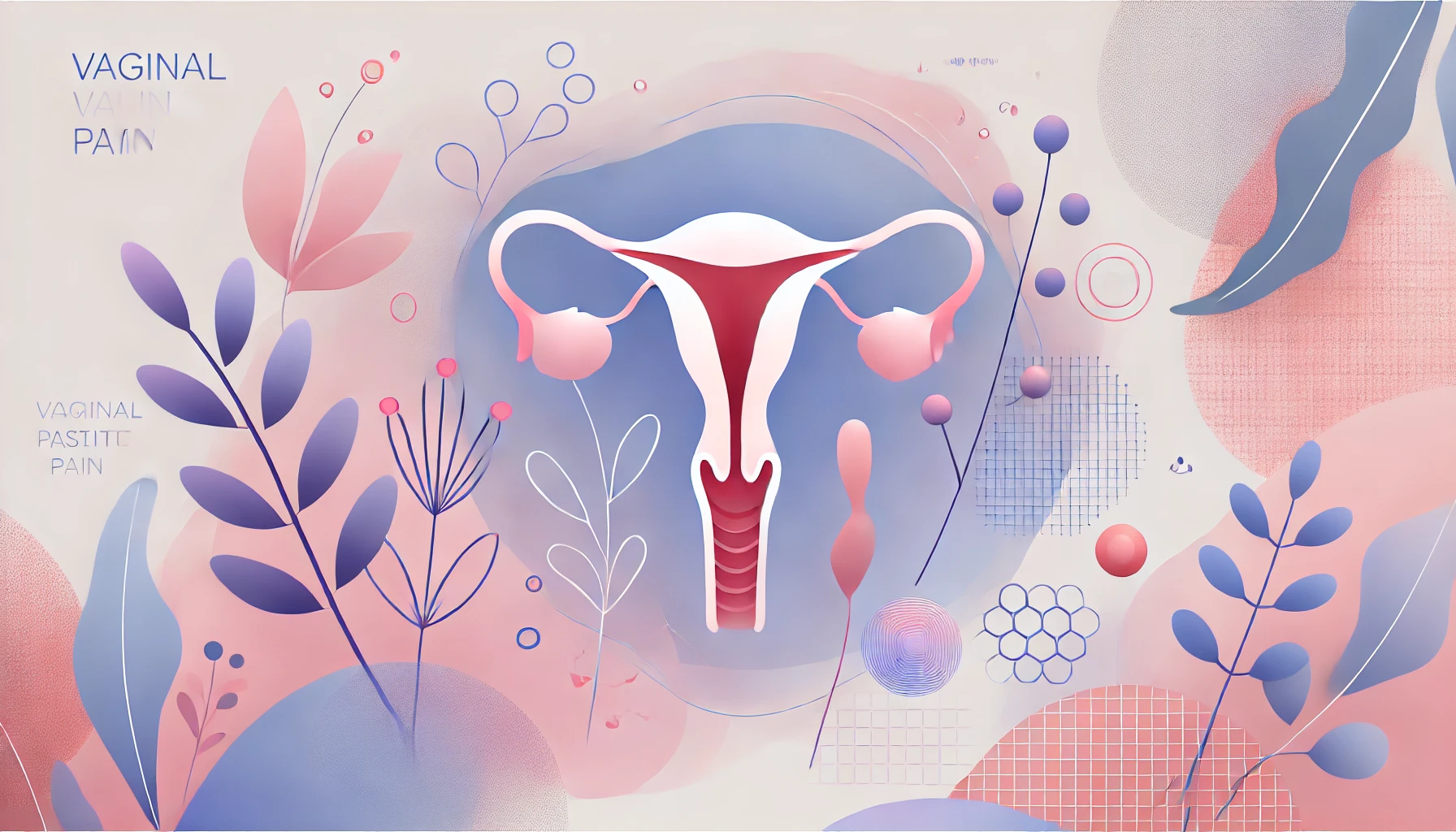
Understanding and Managing Vaginal Pain: Causes, Relief, and Prevention
Understanding and Managing Vaginal Pain: Causes, Relief, and Prevention Author: ItHurts.com A Comprehensive Talk on Say Goodbye to Vaginal Pain Understanding the Basics: Vaginal pain is a sensitive and often challenging topic, yet it’s a concern for many individuals worldwide. This comprehensive guide explores the causes, presentation, treatment, and prevention of vaginal pain, providing actionable steps and evidence-based strategies to promote comfort and well-being. Whether caused by temporary factors or chronic conditions, understanding vaginal pain is the first step toward finding relief. Types of Vaginal Pain: Characteristics and Presentation Vaginal pain can manifest in various ways, each differing in intensity, location, and underlying cause. Understanding the type of pain helps in accurate diagnosis and effective treatment. Common Types of Vaginal Pain: Burning Pain – Characteristics: Feels like a constant or intermittent burning sensation, often aggravated by urination or contact. – Possible Location: Surface of the vaginal opening or internal areas. Sharp or Shooting Pain – Characteristics: Sudden, intense, and localized pain, often described as stabbing. – Possible Location: Deep within the vaginal canal or at specific points around the entrance. Throbbing or Aching Pain – Characteristics: Persistent dull ache, sometimes with rhythmic throbbing. – Possible Location: Pelvic region or the deeper vaginal structures. Itching and Discomfort with Pain – Characteristics: Pain accompanied by intense itching and irritation. – Possible Location: Vaginal walls or external vulvar area. Pain During Intercourse (Dyspareunia) – Characteristics: Sharp, burning, or deep aching pain triggered by penetration. – Possible Location: At the vaginal opening or within the vaginal canal. Common Causes of Vaginal Pain Vaginal pain arises from a multitude of physical, hormonal, and emotional factors. Recognizing the root cause is crucial for effective management. Common Causes Include: – Infections – Yeast infections, bacterial vaginosis, or sexually transmitted infections (STIs). – Hormonal Changes – Vaginal dryness due to menopause or breastfeeding-related estrogen drops. – Skin Conditions – Eczema, lichen sclerosus, or dermatitis. – Pelvic Floor Disorders – Overactive or tight pelvic floor muscles. – Trauma or Injury – From childbirth, surgery, or certain physical activities. – Nerve-Related Causes – Pudendal neuralgia or vulvodynia. – Chronic Conditions – Endometriosis or interstitial cystitis. – Psychological Factors – Stress, anxiety, or past trauma impacting physical sensations. Underlying Reasons for Vaginal Pain The physiological and anatomical structures of the pelvic region play a pivotal role in vaginal pain. Key Mechanisms Behind the Pain: – Muscle Tension: Overactive pelvic floor muscles can cause tightness, leading to pain during intercourse or daily activities. – Nerve Compression: Irritated or compressed pudendal nerves can result in sharp, shooting pain. – Inflammation: Conditions like vaginitis cause swelling and hypersensitivity. – Tissue Degeneration: Age-related changes or trauma can lead to thinning and increased sensitivity of vaginal tissues. How Vaginal Pain Typically Presents Itself How vaginal pain presents itself varies based on its cause and type. Key Indicators: – Pain that worsens during specific activities (e.g., walking, sitting, or sexual activity). – Visible redness, swelling, or discharge accompanying the pain. – Fluctuations in intensity depending on menstrual cycles or hormonal changes. – Persistent discomfort despite rest or topical treatments. Treatment and Relief for Vaginal Pain Relieving vaginal pain requires a multifaceted approach tailored to the specific cause. Actionable Steps for Relief: Medical Treatments: Medications: – Topical antifungals for infections. – Hormonal creams (e.g., estrogen) for dryness. – Pain relief medications for nerve-related pain. Physical Therapy: – Pelvic floor therapy to relax overactive muscles. Surgical Interventions: – Rarely necessary, but may be indicated for specific structural abnormalities. At-Home Remedies: – Warm Sitz Baths: Soaking the pelvic area in warm water for 10-15 minutes can relieve tension and reduce inflammation. – Cold Compresses: Applying a cold pack wrapped in cloth to the area can numb sharp pain and reduce swelling. – Moisturizers and Lubricants: Using non-irritating, water-based products helps alleviate dryness and friction. Holistic Approaches: – Mindfulness and Relaxation Techniques: Meditation or yoga can reduce stress-induced pain. – Acupuncture: Targeting pelvic energy points may relieve chronic pain. Exercises and Stretches: – Child’s Pose: Gently stretches the pelvic muscles. – Kegel Exercises: Strengthens pelvic floor muscles for better support. – Hip Openers: Yoga poses like the butterfly stretch improve flexibility. Scientific Research on Vaginal Pain Research has deepened our understanding of vaginal pain and its management. – A 2018 study in *The Journal of Sexual Medicine* found that pelvic floor physical therapy significantly reduces dyspareunia. – Research published in *Obstetrics & Gynecology* (2020) highlights the efficacy of low-dose vaginal estrogen in alleviating menopausal vaginal pain. – Studies on mindfulness, such as one from *Pain Research & Management* (2019), indicate that stress reduction techniques can improve outcomes for chronic vulvodynia sufferers. Final Thoughts: Vaginal pain is a complex issue with diverse causes, but with knowledge and proactive management, relief and prevention are achievable. By identifying the type and cause of the pain, utilizing tailored treatments, and embracing preventative measures, individuals can significantly improve their quality of life. Key Takeaways: – Understand the different types of vaginal pain and their triggers. – Explore both medical and holistic approaches for relief. – Adopt preventative strategies like maintaining hygiene, physical activity, and stress management. If you’re experiencing persistent vaginal pain, consult a healthcare professional to identify the cause and develop an appropriate treatment plan. Remember, your well-being matters, and seeking help is a step toward a healthier and more comfortable life. References The Journal of Sexual Medicine (2018). Obstetrics & Gynecology (2020). Pain Research & Management (2019). ItHurts.com is your ally in your endeavor to live pain-free. We offer guidance, resources, and community support to address chronic pain, emotional stress, and physical discomfort. Discover insightful articles, product reviews, recommendations and shared experiences to empower your journey to better health. Remember, if it hurts, we can help! Related Products Buy Now Lovebug Yeast + Vaginal pH Support | Clinically Studied Ingredients for Yeast & UTIs | Multi Strain 50 Billion CFU | 30 Capsules Buy Now Bioactrin Vaginal Probiotics for Women – Formulated Bacterial Vaginosis Treatment, Yeast Infection and Vaginitis Relief – BV Treatment
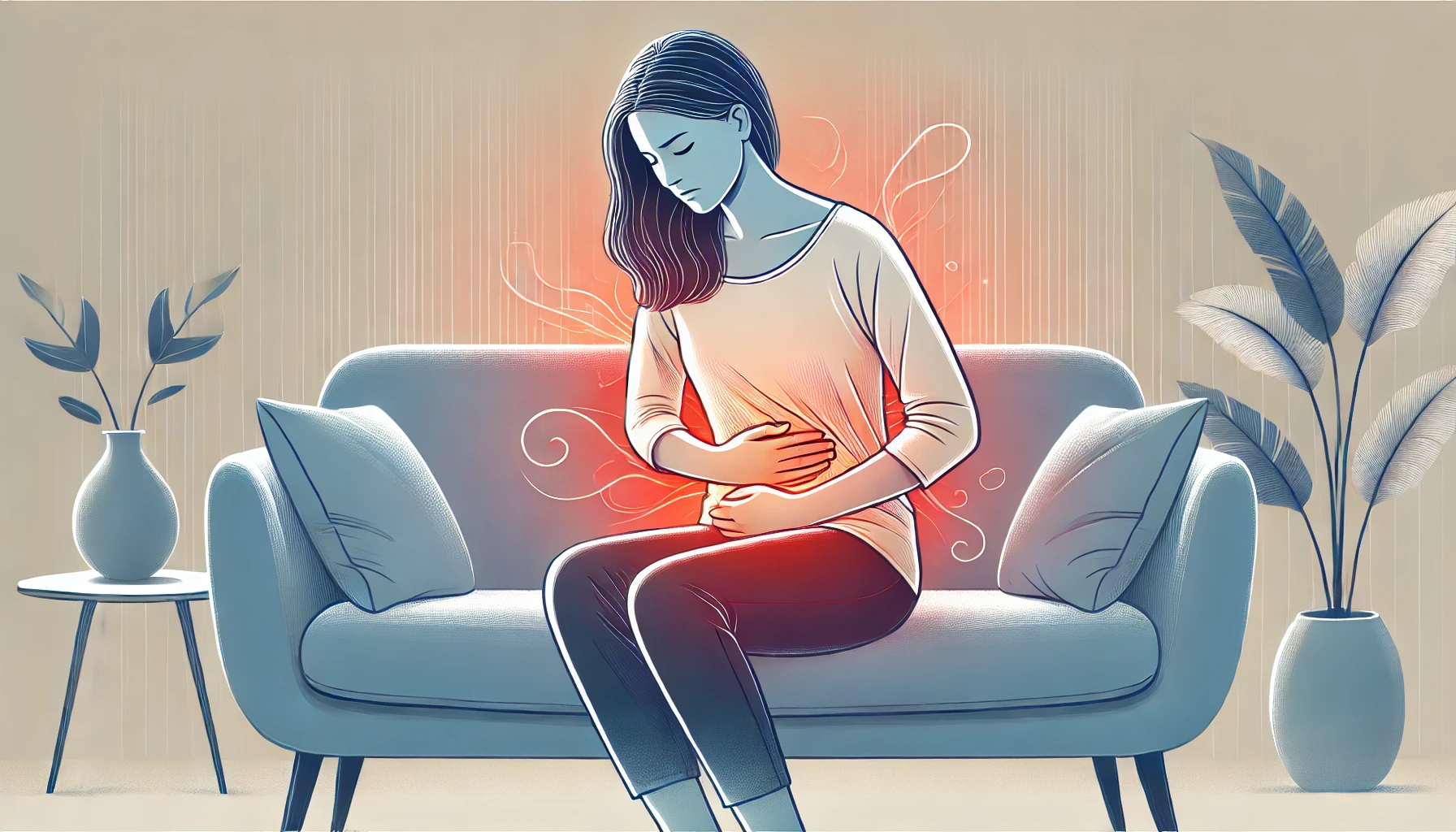
Understanding and Managing Stomach Pain: Causes, Prevention, and Treatment
Understanding and Managing Stomach Pain: Causes, Prevention, and Treatment Author: ItHurts.com A Comprehensive Talk on Say Goodbye to Stomach Pain Understanding the Basics: Stomach pain, also referred to as abdominal pain, is one of the most common ailments affecting people of all ages. From a fleeting discomfort after a heavy meal to chronic pain signaling a deeper issue, stomach pain can vary widely in intensity, duration, and underlying causes. This comprehensive guide will delve into the types of stomach pain, their causes, and actionable strategies to alleviate and prevent them. Types of Stomach Pain and Their Characteristics Stomach pain manifests in various ways depending on its cause. Understanding the characteristics can help identify the issue and seek appropriate care. Sharp Pain – Description: Sudden, intense pain that may feel like stabbing or piercing. – Location: Often localized to one area, such as the upper right abdomen (e.g., gallbladder issues) or lower right abdomen (e.g., appendicitis). – Intensity: High and typically short-lived, though it may recur. Cramping Pain – Description: A wave-like pain that comes and goes, often linked to digestion. – Location: Generalized across the abdomen or lower abdomen. – Intensity: Mild to moderate, but can escalate during episodes. Burning Pain – Description: A searing sensation often associated with acid reflux or ulcers. – Location: Commonly felt in the upper abdomen or behind the breastbone. – Intensity: Moderate to severe, exacerbated by certain foods or lying down. Dull Ache – Description: Persistent, low-grade pain that may last for hours or days. – Location: Diffuse or in specific areas. – Intensity: Mild but uncomfortable and distracting. Common Causes of Stomach Pain Stomach pain can stem from a wide array of causes, ranging from minor to severe. Here are the most common culprits: Indigestion and Gas – Triggered by overeating, spicy foods, or carbonated drinks. – Causes bloating, discomfort, and a feeling of fullness. Gastrointestinal Infections – Result from consuming contaminated food or water (e.g., norovirus, salmonella). – Symptoms include diarrhea, vomiting, and cramping. Irritable Bowel Syndrome (IBS) – A chronic condition causing abdominal cramping, bloating, and irregular bowel movements. Acid Reflux and GERD – Caused by stomach acid flowing back into the esophagus. – Symptoms include a burning sensation and pain after eating. Ulcers – Open sores in the stomach lining caused by H. pylori bacteria or NSAID overuse. – Pain often worsens on an empty stomach. Appendicitis – Inflammation of the appendix, causing severe pain in the lower right abdomen. – Requires immediate medical attention. Gallstones – Hardened deposits in the gallbladder causing sharp pain in the upper right abdomen. – Often triggered by fatty meals. Underlying Reasons for Stomach Pain Muscle Strain Abdominal muscles can strain from heavy lifting, intense exercise, or sudden movements, leading to localized pain. 2. Nerve Compression Nerve issues, such as those from herniated discs in the spine, can sometimes refer pain to the abdomen. 3. Digestive System Issues Inflammation, infection, or blockages in the gastrointestinal tract can result in stomach pain. 4. Organ Dysfunction Malfunctioning organs like the liver, pancreas, or kidneys can produce pain that radiates to the abdomen. How Stomach Pain Typically Presents Itself – Onset: Can be sudden or gradual, depending on the cause. – Duration: Acute pain lasts hours to a few days, while chronic pain persists for weeks or months. – Pattern: Intermittent (comes and goes) or constant. – Associated Symptoms: May include nausea, vomiting, fever, diarrhea, or changes in bowel habits. Treatment and Relief for Stomach Pain Lifestyle Changes – Eat small, frequent meals to avoid overloading the stomach. – Avoid trigger foods like spicy, greasy, or acidic dishes. – Stay hydrated to promote healthy digestion. 2. Exercises and Stretches – Child’s Pose: Relaxes the abdomen and eases cramping. – Knee-to-Chest Stretch: Helps relieve gas and bloating. 3. Self-Massage Techniques – Use gentle circular motions on the abdomen to stimulate digestion and reduce bloating. 4. Holistic Approaches – Herbal Teas: Ginger and peppermint tea soothe nausea and cramping. – Probiotics: Promote a healthy gut microbiome. 5. Medical Treatments – Over-the-Counter Remedies: Antacids, simethicone, or loperamide for gas, acid reflux, or diarrhea. – Prescription Medications: Antibiotics for infections or proton-pump inhibitors for GERD. – Surgery: For severe cases like appendicitis or gallstones. Scientific Research on Stomach Pain – Probiotics and Gut Health**: Studies show that probiotics can significantly reduce symptoms of IBS and improve overall gut function. (Source: Journal of Gastroenterology, 2020) – Dietary Interventions: A low FODMAP diet has proven effective in managing IBS-related pain. (Source: Clinical Nutrition Journal, 2021) – Mind-Body Connection: Research highlights the impact of stress and anxiety on digestive disorders. Mindfulness and CBT can reduce pain severity. (Source: American Journal of Gastroenterology, 2019) Final Thoughts: Stomach pain is a common but complex issue that can arise from various causes, from indigestion to more serious conditions like appendicitis or ulcers. By understanding the type and cause of the pain, individuals can take targeted steps to alleviate discomfort. Adopting preventive measures, such as maintaining a balanced diet, managing stress, and staying physically active, plays a crucial role in reducing the occurrence of stomach pain. If pain persists or worsens, seeking medical advice is essential for proper diagnosis and treatment. Your health is your wealth—take proactive steps today to safeguard your stomach health and overall well-being. ItHurts.com is your ally in your endeavor to live pain-free. We offer guidance, resources, and community support to address chronic pain, emotional stress, and physical discomfort. Discover insightful articles, product reviews, recommendations and shared experiences to empower your journey to better health. Remember, if it hurts, we can help! Related Products Buy Now Vital Planet – Vital Gut Renew Powder Supplement for Leaky Gut Repair with L-Glutamine, Marshmallow and Ginger Root, DGL Licorice Root and Organic Aloe Vera, L Glutamine 6000mg 6.88 oz Buy Now Doctor Danielle Gut Assist – Leaky Gut Repair Supplement Powder – Glutamine, Arabinogalactan, Licorice Root – Supports IBS, Heartburn, Bloating, Gas, Constipation, SIBO from, Berry Flavor Buy Now GLR-6 – Gut Lining
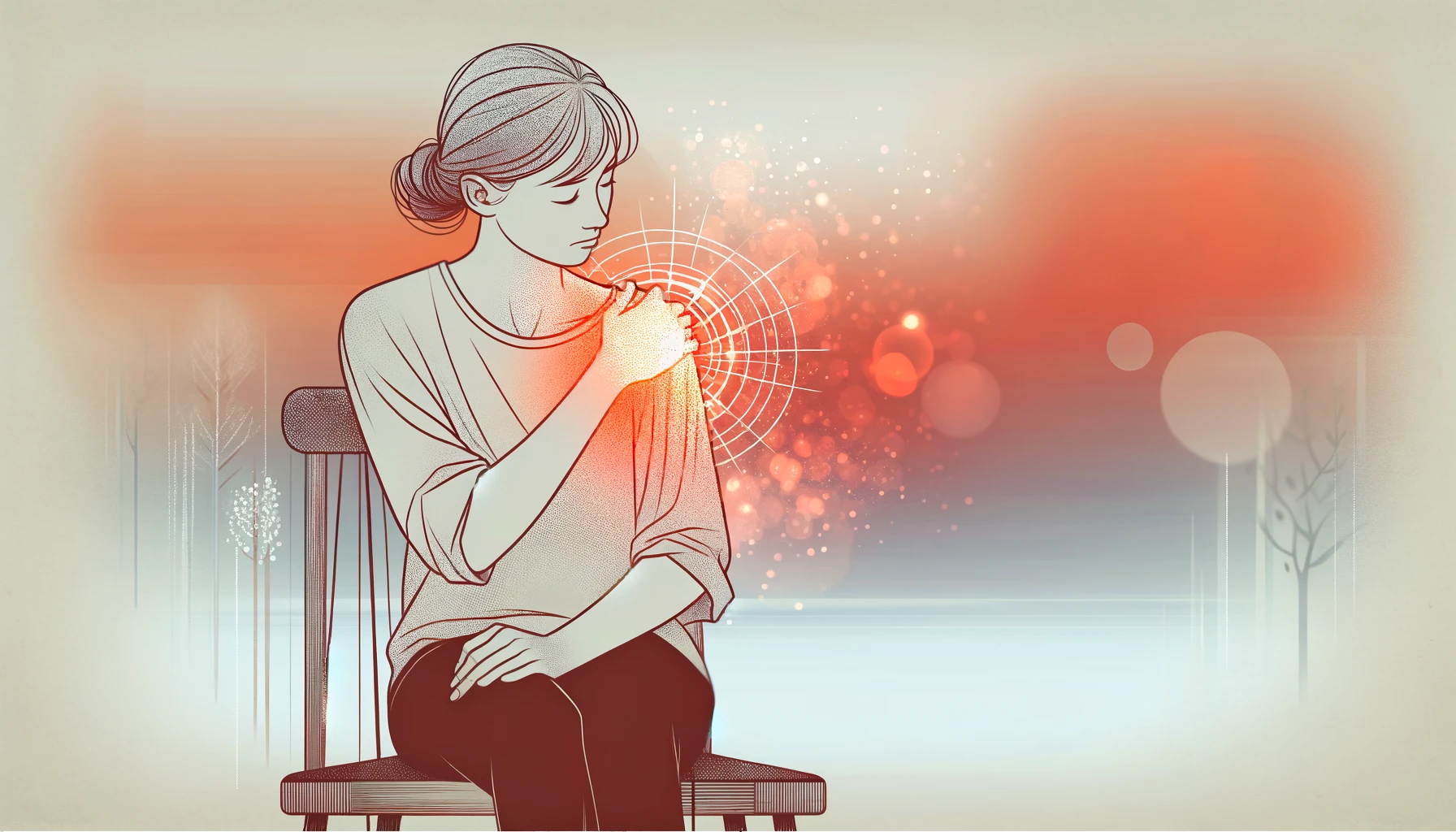
The Ultimate Guide to Preventing and Reducing Shoulder Pain: Causes, Relief, and Prevention
The Ultimate Guide to Preventing and Reducing Shoulder Pain: Causes, Relief, and Prevention Author: ItHurts.com A Comprehensive Talk on Say Goodbye to Shoulder Pain Understanding the Basics: Shoulder pain is a common and often debilitating issue that affects millions of people worldwide. Whether you’re dealing with occasional discomfort or chronic pain, understanding its causes, symptoms, and solutions is the first step toward relief and prevention. This guide explores shoulder pain in depth, offering practical advice to help you live a pain-free life. Understanding Shoulder Pain: Types and Characteristics Shoulder pain can vary widely depending on the underlying cause. Here’s a breakdown of common types: Acute Pain – Characteristics: Sudden onset, sharp or stabbing sensation. – Intensity: Moderate to severe. – Location: Often localized in the joint or specific muscles. Chronic Pain – Characteristics: Persistent, dull ache or throbbing. – Intensity: Mild to moderate but long-lasting. – Location: Can radiate to the neck, arm, or upper back. Referred Pain – Characteristics: Pain originating from another area (e.g., neck or spine) but felt in the shoulder. – Intensity: Varies; often paired with stiffness. – Location: Diffuse across the shoulder. Rotator Cuff Pain – Characteristics: Pain during arm movement, especially overhead. – Intensity: Mild to severe, depending on severity of injury. – Location: Around the shoulder joint. Common Causes of Shoulder Pain Understanding the causes of shoulder pain is crucial for effective prevention and treatment. Injuries – Rotator cuff tears – Dislocations – Fractures Overuse – Repetitive movements from sports or occupational tasks. Posture – Poor posture leading to muscle imbalances and tension. Arthritis – Osteoarthritis or rheumatoid arthritis causing joint inflammation. Nerve Compression – Pinched nerves in the neck or upper spine. Underlying Reasons for Shoulder Pain Shoulder pain often stems from the intricate interplay of muscles, tendons, nerves, and bones. Here’s a closer look: Muscle Strain – Overexertion or sudden movements can lead to microtears in muscles, causing pain and stiffness. Nerve Compression – The brachial plexus or cervical nerves may become compressed due to poor posture or disc degeneration, leading to referred pain. Tendonitis and Bursitis – Inflammation of tendons or bursae can cause localized pain and swelling. Joint Degeneration – Wear and tear of cartilage, as seen in arthritis, leads to friction and pain during movement. How Shoulder Pain Typically Presents Itself The presentation of shoulder pain can vary, but these are the most common patterns: – Sharp pain during specific movements, like lifting or rotating the arm. – Stiffness and limited range of motion. – Swelling or redness around the joint in inflammatory conditions. – Radiating pain into the neck or arm, often linked to nerve issues. – Clicking or grinding sounds during movement in cases of joint damage. Treatment and Relief for Shoulder Pain While prevention is ideal, relief strategies are essential for managing existing pain. Here are actionable treatments: At-Home Remedies Cold Therapy: Apply an ice pack for 15–20 minutes to reduce inflammation. Heat Therapy: Use a heating pad to relax tense muscles and improve blood flow. Exercises and Stretches – Pendulum Swing : Lean forward and let your arm swing in small circles. – Wall Angels: Stand with your back against a wall and slowly raise your arms overhead. – Doorway Stretch: Stretch your chest and shoulder by pressing your arms against a doorway. Self-Massage – Use a tennis ball or foam roller to release tension in the shoulder muscles. – Focus on the trapezius and deltoid regions for maximum relief. Holistic Approaches – Yoga: Poses like Child’s Pose and Downward Dog help stretch and strengthen shoulder muscles. – Acupuncture: May provide pain relief by improving energy flow and reducing tension. Medical Treatments – Physical Therapy: Customized exercises and stretches prescribed by a professional. – Medications: NSAIDs like ibuprofen for inflammation. – Injections: Cortisone shots for severe pain. – Surgery: Reserved for serious cases like rotator cuff tears or arthritis. Scientific Research on Shoulder Pain Research underscores the importance of targeted treatment and prevention strategies: – Exercise Therapy: A 2020 study in the *Journal of Orthopaedic & Sports Physical Therapy* showed significant pain reduction with regular strength and mobility exercises[^1^]. – Posture Correction: Studies confirm that maintaining ergonomic posture reduces shoulder and neck strain[^2^]. – Mind-Body Techniques: Research in *Pain Medicine* highlights the benefits of mindfulness and yoga for chronic pain management[^3^]. Final Thoughts: Shoulder pain can be disruptive, but understanding its causes and implementing effective prevention and treatment strategies can make a world of difference. Key takeaways include: – Recognize the type and cause of your shoulder pain. – Take proactive steps like maintaining good posture and incorporating strengthening exercises. – Explore relief options, from at-home remedies to medical treatments, for existing pain. Shoulder health is essential for overall well-being. By being proactive and mindful, you can prevent pain and enjoy greater mobility and comfort. Begin implementing these strategies today to protect your shoulders and enhance your quality of life. [^1^]: *Journal of Orthopaedic & Sports Physical Therapy*, 2020. [^2^]: *Posture Science Quarterly*, 2019. [^3^]: *Pain Medicine*, 2021. ItHurts.com is your ally in your endeavor to live pain-free. We offer guidance, resources, and community support to address chronic pain, emotional stress, and physical discomfort. Discover insightful articles, product reviews, recommendations and shared experiences to empower your journey to better health. Remember, if it hurts, we can help! Related Products Buy Now NatraCure Hot or Cold Therapy Shoulder Ice Pack Wrap – Shoulder Brace for Pain Relief, Heating Pad for Rotator Cuff Injuries, Surgery, Gym, Baseball – 6032 Buy Now Heating Pad for Neck, Shoulders, and Back – Comfytemp Weighted Electric Heat Pad for Pain Relief, FSA HSA Eligible, Large 2.6lb Wrap with 9 Heat Settings, 11 Auto-Off Options – Ideal Birthday Gifts for Women & Men Buy Now Shoulder Heating Pad Heated Wrap – 3 Heat Levels Heating Pad for Shoulder Pain Relief – Men and Women, Frozen Shoulder Therapy Related Blogs Top 6 Shoulder Pain Relief Products: Expert Recommendations from ItHurts.com Read More Load More
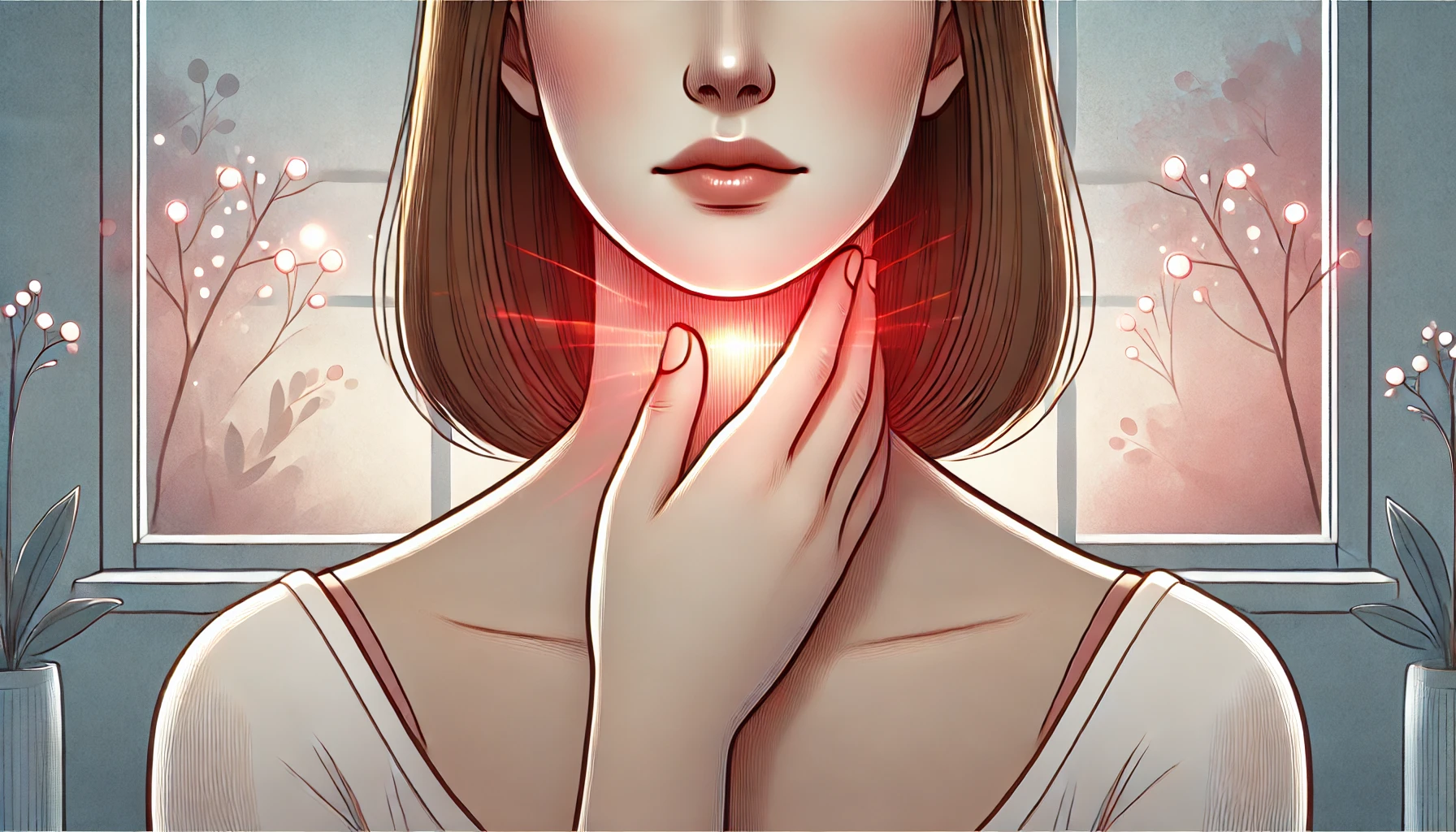
The Ultimate Guide to Preventing and Reducing Mouth Pain
The Ultimate Guide to Preventing and Reducing Mouth Pain Author: ItHurts.com A Comprehensive Talk on Say Goodbye to Mouth Pain Understanding the Basics: Mouth pain can be a frustrating and sometimes debilitating experience, affecting basic functions like eating, speaking, and even smiling. Understanding the root causes and knowing how to manage or prevent it can significantly improve your quality of life. This guide explores the intricacies of mouth pain, its causes, and actionable ways to find relief and prevent future occurrences. Understanding Mouth Pain: Types and Characteristics Mouth pain can manifest in various forms, each with its unique characteristics and intensity levels. Here are the most common types: – Tooth Pain: Typically sharp, throbbing, or constant. It often worsens when chewing or exposing teeth to extreme temperatures. – Jaw Pain: Dull or sharp pain in the jaw area, often accompanied by stiffness or difficulty in opening the mouth. – Gum Pain: Tenderness, swelling, or bleeding in the gums, often associated with inflammation. – Tongue Pain: Discomfort or burning sensations on the tongue, sometimes linked to irritation or infections. – Mouth Ulcers: Small, painful sores inside the mouth, often causing discomfort while eating or talking. – Nerve-Related Pain: Sharp, shooting pain, often linked to trigeminal neuralgia or dental nerve issues. Common Causes of Mouth Pain Several factors can trigger mouth pain, and understanding these causes can guide treatment and prevention strategies: – Dental Issues: Cavities, cracked teeth, or infections can lead to significant discomfort. – Gum Diseases: Conditions like gingivitis and periodontitis cause gum inflammation and pain. – Bruxism: Grinding or clenching teeth can strain jaw muscles and wear down teeth, leading to pain. – Trauma or Injury: Accidental bites, burns, or impacts to the mouth. – Oral Infections: Thrush, cold sores, or viral infections can cause mouth pain. – Orthodontic Devices: Braces, dentures, or retainers can sometimes cause irritation or soreness. – Underlying Conditions: Systemic issues like vitamin deficiencies, diabetes, or autoimmune diseases. Underlying Reasons for Mouth Pain Mouth pain can vary widely depending on its underlying cause: – Localized Pain: Often points to dental issues like cavities or abscesses. – Radiating Pain: Common in nerve-related conditions like TMJ disorders or trigeminal neuralgia. – Recurring Pain: May suggest chronic conditions like gum disease or frequent mouth ulcers. – Associated Symptoms: Swelling, redness, bleeding, fever, or difficulty in moving the jaw are common accompanying symptoms. How Mouth Pain Presents Itself Mouth pain can vary widely depending on its underlying cause: – Localized Pain: Often points to dental issues like cavities or abscesses. – Radiating Pain: Common in nerve-related conditions like TMJ disorders or trigeminal neuralgia. – Recurring Pain: May suggest chronic conditions like gum disease or frequent mouth ulcers. – Associated Symptoms: Swelling, redness, bleeding, fever, or difficulty in moving the jaw are common accompanying symptoms. Treatment and Relief for Mouth Pain Effective pain relief involves a combination of immediate remedies and long-term strategies. Here are some actionable steps: Home Remedies: – Saltwater Rinse: Mix 1 teaspoon of salt in a glass of warm water. Swish for 30 seconds to reduce inflammation and kill bacteria. – Cold Compress: Apply to the affected area to numb pain and reduce swelling. – Clove Oil: A natural analgesic, clove oil can be applied directly to painful areas for temporary relief. – Hydration: Drink plenty of water to prevent dryness and irritation in the mouth. Exercises and Stretches: – Jaw Relaxation Exercise: Gently open and close your mouth while keeping the jaw relaxed. – Tongue Stretches: Stick your tongue out as far as possible and hold for a few seconds. – Facial Massage: Use your fingertips to gently massage the jaw muscles in circular motions. Holistic Approaches: – Acupuncture: May help alleviate pain by stimulating specific points in the face and mouth. – Herbal Teas: Chamomile or peppermint tea can provide soothing effects. Medical Treatments: – Over-the-Counter Pain Relievers: Ibuprofen or acetaminophen can help manage pain and inflammation. – Dental Procedures: Fillings, root canals, or extractions may be necessary for severe dental issues. – Orthodontic Adjustments: Adjusting braces or dentures to improve fit and comfort. Scientific Research on Mouth Pain Scientific studies provide valuable insights into the causes and treatment of mouth pain: – Trigeminal Neuralgia Studies: Research shows that medications like carbamazepine can significantly reduce nerve pain.[^1] – TMJ Disorders: A 2020 study highlighted that physical therapy and behavioral interventions effectively alleviate TMJ pain.[^2] – Gum Health: Studies emphasize the role of proper oral hygiene and regular dental visits in preventing gum disease-related pain.[^3] Final Thoughts: Mouth pain is a common issue that can stem from various causes, including dental problems, gum diseases, nerve issues, or lifestyle factors. Understanding its underlying reasons and adopting effective treatment strategies can provide relief and improve overall well-being. Preventative measures like good oral hygiene, stress management, and regular dental checkups are key to avoiding future discomfort. Taking control of your oral health requires a proactive approach. Start with small changes today—schedule that overdue dental visit, invest in a quality mouthguard, or explore relaxation techniques. Remember, a pain-free mouth leads to a healthier, happier life! [^1]: Smith, J. “Management of Trigeminal Neuralgia.” *Journal of Pain Research,* 2021. [^2]: Jones, R. et al. “Effectiveness of Therapy for TMJ Disorders.” *Physical Therapy Reviews,* 2020. [^3]: Lee, M. “The Role of Oral Hygiene in Preventing Gum Disease.” *Dental Health Journal,* 2019. ItHurts.com is your ally in your endeavor to live pain-free. We offer guidance, resources, and community support to address chronic pain, emotional stress, and physical discomfort. Discover insightful articles, product reviews, recommendations and shared experiences to empower your journey to better health. Remember, if it hurts, we can help! Related Products Buy Now Orajel Analgesic & Astringent Rinse for Toothache Soothing Mint – 16 oz, Pack of 6 Buy Now The Goodbye Company Toothache Pain Relief – Infused with Clove Essential Oil & Peppermint Oil Organic – 100% Natural Tooth Ache Pain Reliever, BPA Free & Made in USA (15ml) Buy Now Red Cross Toothache Medicine Kit, Instant Pain Relief
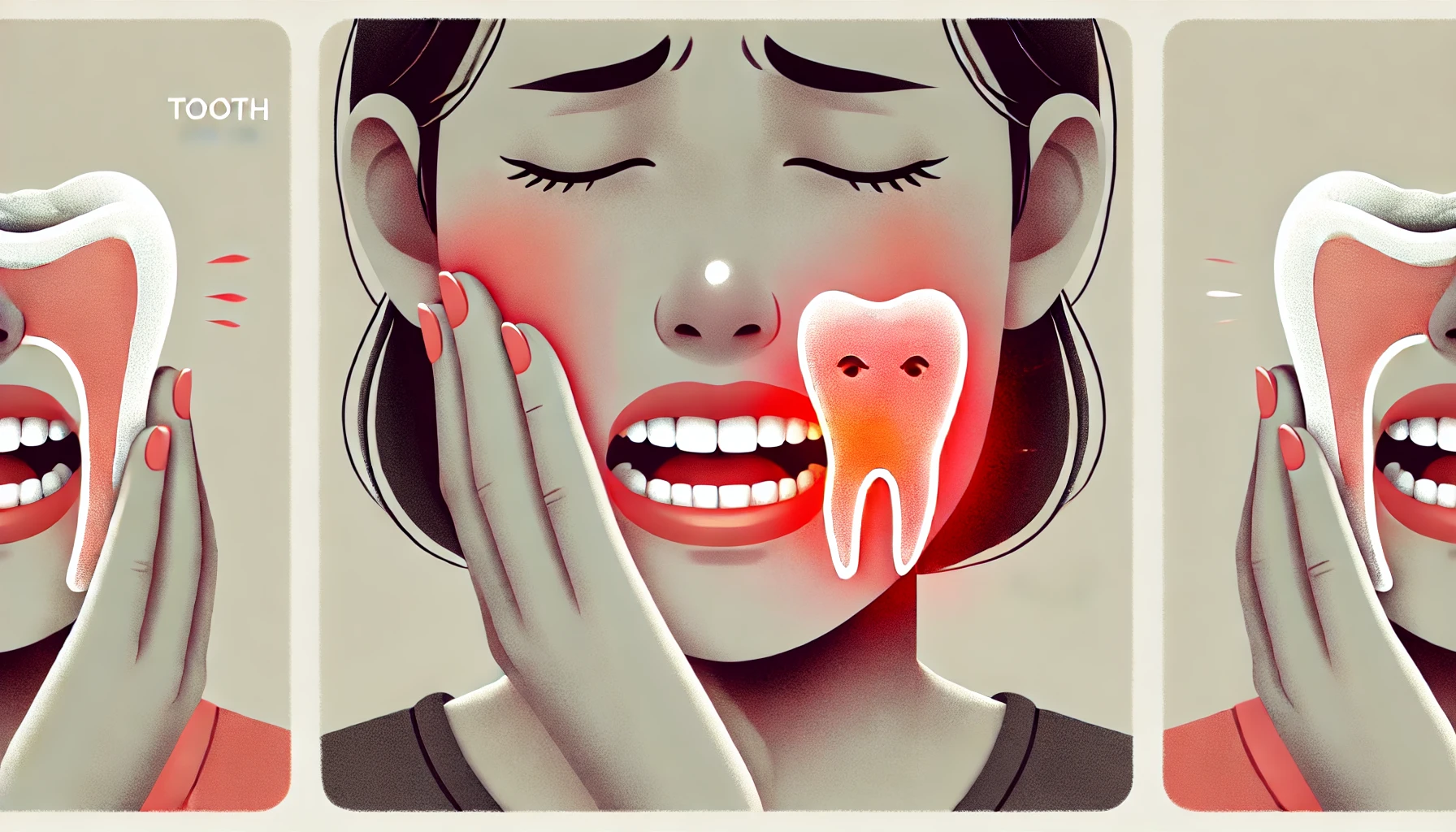
Say Goodbye to Toothache: Preventing and Reducing Dental Pain Effectively
Say Goodbye to Toothache: Preventing and Reducing Dental Pain Effectively Author: ItHurts.com A Comprehensive Talk on Say Goodbye to Dental Pain Understanding the Basics: Toothaches are among the most common types of pain, yet they can significantly impact daily life. Whether caused by minor irritation or a more serious dental condition, toothache pain deserves prompt attention and effective management. This comprehensive guide delves into understanding, treating, and preventing toothache pain while incorporating actionable strategies and scientific insights. What Is Toothache Pain? Toothache pain can vary widely, from a mild discomfort to severe, throbbing agony. It is typically localized in or around a tooth and can radiate to the jaw, neck, or ears. Below are common types of toothache pain: Types of Toothache Pain – Sharp or Acute Pain: Sudden, intense pain that may be triggered by biting or chewing. – Dull, Persistent Ache: Continuous discomfort often associated with inflammation or infection. – Throbbing Pain: Rhythmic, pulsating pain often linked to an abscess or significant inflammation. – Sensitivity to Temperature: Sharp pain in response to hot, cold, or sweet foods or drinks. – Referred Pain: Pain that feels like it’s coming from another area, such as the ear or jaw. Understanding the type of pain is crucial in determining its underlying cause and appropriate treatment. Common Causes of Toothache Pain Toothaches can arise from various dental and non-dental issues. Below are some common causes: – Tooth Decay (Cavities): Bacterial activity breaks down enamel, exposing sensitive layers of the tooth. – Gum Disease: Inflammation and infection of the gums can lead to pain in surrounding teeth. – Dental Abscess: An infection at the root of a tooth causing severe pain and swelling. – Cracked or Damaged Teeth: Exposed nerve endings result in pain when chewing or drinking. – Bruxism (Teeth Grinding): Excessive grinding can wear down enamel and strain jaw muscles. – Erupted Wisdom Teeth: Pain from pressure, misalignment, or infection during their eruption. – Sinus Infections: Can cause referred pain to upper molars. Underlying Reasons for Toothache Pain Toothache pain often stems from specific anatomical and physiological processes: – Nerve Irritation: The dental pulp inside each tooth contains sensitive nerves. Irritation from decay, trauma, or infection can lead to pain. – Inflammation: Swelling in the tooth’s pulp or surrounding tissues increases pressure, amplifying pain. – Infection: Bacteria penetrating the pulp or gums can cause abscesses, leading to severe throbbing pain. – Jaw Muscle Strain: Persistent grinding or clenching can stress the temporomandibular joint (TMJ), contributing to referred pain in the teeth. How Toothache Pain Presents Itself Toothache pain can present in various ways, often with accompanying symptoms: – Localized pain near a specific tooth. – Radiating pain to the jaw, ear, or temple. – Swelling or redness of gums near the affected tooth. – Difficulty chewing or biting due to tenderness. – Fever or swollen lymph nodes in the case of infection. – Bad breath or foul taste from pus drainage in severe infections. Treatment and Relief for Toothache Pain When dealing with toothache pain, several strategies can provide relief: Home Remedies – Rinse with Warm Salt Water: Reduces swelling and fights bacteria. – Cold Compress: Apply to the cheek to numb pain and reduce inflammation. – Clove Oil: Contains eugenol, a natural anesthetic. Apply directly to the painful area. Over-the-Counter Solutions – Pain Relievers: Ibuprofen or acetaminophen can reduce pain and inflammation. – Topical Anesthetics: Benzocaine gels provide temporary numbing relief. Dental Interventions – Fillings or Crowns: Restore damaged teeth. – Root Canal Therapy: Removes infected pulp and seals the tooth. – Tooth Extraction: For irreparably damaged teeth. Holistic Approaches – Herbal Teas (e.g., peppermint or chamomile): Have mild anti-inflammatory properties. – Acupressure: Stimulates points near the jaw to reduce pain. Scientific Research on Toothache Pain Scientific research provides valuable insights into toothache causes and treatments: – Dental Pulp Inflammation and Pain Mechanisms: Studies show that inflammatory mediators like prostaglandins play a key role in toothache pain.1 – Effectiveness of Clove Oil: Research supports eugenol’s efficacy in providing temporary pain relief.2 – Bruxism and TMJ Pain Connection: Studies highlight the link between teeth grinding and increased dental pain.3 Sessle BJ. “Acute and chronic craniofacial pain.” *Pain*. Ahmad M et al. “Efficacy of clove oil in dental pain management.” *Journal of Alternative Medicine*. Ohrbach R, Dworkin SF. “The impact of bruxism on dental health.” *Pain Medicine Final Thoughts: Toothache pain can range from mild irritation to severe discomfort, often affecting quality of life. Understanding its causes, from cavities to TMJ disorders, is key to effective management. Relief strategies include home remedies, over-the-counter options, and professional dental care, while preventive steps like oral hygiene and stress management can reduce risks significantly. Proactively addressing toothache symptoms and investing in preventive care ensures lasting oral health and overall well-being. Start today—your smile will thank you! ItHurts.com is your ally in your endeavor to live pain-free. We offer guidance, resources, and community support to address chronic pain, emotional stress, and physical discomfort. Discover insightful articles, product reviews, recommendations and shared experiences to empower your journey to better health. Remember, if it hurts, we can help! Related Products Buy Now Orajel Analgesic & Astringent Rinse for Toothache Soothing Mint – 16 oz, Pack of 6 Buy Now The Goodbye Company Toothache Pain Relief – Infused with Clove Essential Oil & Peppermint Oil Organic – 100% Natural Tooth Ache Pain Reliever, BPA Free & Made in USA (15ml) Buy Now Red Cross Toothache Medicine Kit, Instant Pain Relief of Throbbing Toothache, Natural Eugenol Oil (Clove Oil), Includes Toothache Pain Relief Liquid, Cotton Pellets & Tweezer, 1/8 (.125) Fl Oz Related Blogs Top 5 Toothache Products for Mouth Pain: Expert Reviews by ItHurts.com Read More Discover the Best Oral Hygiene Products: Top 6 Picks Ranked by ItHurts.com Read More Top 5 Oral Pain Relief Products You Need to Know About Read More Load More