Category: Pain Insights

Chilblains: When Your Skin Stages a Tiny Winter Protest

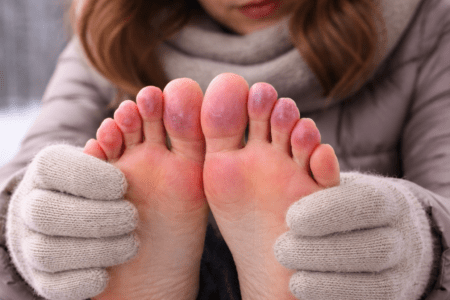
Chilblains: When Your Skin Stages a Tiny Winter Protest ❄️🔥 Cold-triggered pain that feels small — and absolutely isn’t If Your Toes Are Sending Hate Mail, You’re Not Alone 😫 Chilblains show up when cold, damp weather meets sensitive circulation. They itch, burn, swell, and linger — often making you wonder why your own skin feels personally offended by winter. “Chilblains aren’t dramatic — they’re just deeply unimpressed by sudden temperature changes.” What’s Actually Going On? 🧠🩺 Chilblains occur when tiny blood vessels overreact to rapid shifts from cold to warm environments. Blood flow struggles to adjust, leading to inflammation, redness, and pain — especially in toes, fingers, ears, and heels. Rapid warming after cold exposure Poor circulation Damp, windy weather Tight shoes or socks Cold floors and bare skin Why It Hurts (and Why You’re NOT Crazy) 😤 Inflamed blood vessels press against nearby nerves, causing burning, throbbing, and itching. The discomfort is real — even if others can’t see it. When to Call in the Pros ⚠️ Open sores, ulcers, or broken skin Signs of infection (pus, fever, spreading redness) Severe swelling or worsening pain Symptoms lasting longer than 2–3 weeks Chilblain-like symptoms in warm weather Home Strategies That Actually Help 🏡 Gradual warming — avoid blasting heat onto cold skin Roomy shoes and moisture-wicking socks Warm (not hot) compresses Gentle movement to encourage circulation Soft lotions for irritated skin You’re Allowed to Stay Warm and Take It Slow 🌱 Chilblains don’t mean your body is weak — they mean it’s sensitive. Gentle warmth, patience, and self-compassion go a long way. Join the ItHurts Community 💬 Connect with people who understand cold-triggered pain, circulation issues, and invisible discomfort. Join the Community Medical Disclaimer: This content is for educational and emotional support only and does not replace professional medical advice, diagnosis, or treatment.

The Chafing Survival Guide

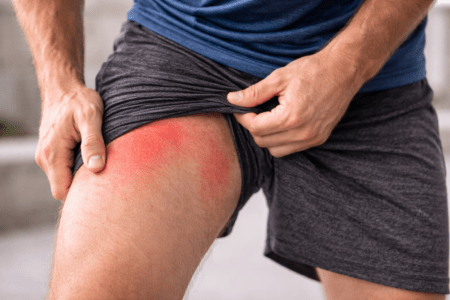
The Chafing Survival Guide 😖🔥 How to Stop Feeling Like Your Skin Is Plotting Against You So… Your Skin Is on Fire. Cool. Totally Fine. 😬 Chafing is one of those annoyances that looks harmless but feels absolutely unhinged in real life. One minute you’re walking confidently — the next, your skin feels like it’s filing a formal complaint against movement itself. “Chafing is the silent saboteur of good moods.” What’s Actually Going On? 🧠🩺 Chafing happens when repeated friction, sweat, and movement break down the skin’s protective barrier. Once that barrier is compromised, nerve endings become irritated — and suddenly every step burns. Skin-on-skin friction Sweat and moisture buildup Heat and humidity Seams or rough fabrics Long walks, workouts, or work shifts Why It Hurts (and Why You’re NOT Crazy) 😤 Chafing pain stings, burns, and makes movement feel punishing. That’s because once skin is irritated, nerves become hypersensitive — especially when sweat and friction keep returning. When to Call in the Pros ⚠️ Skin that’s bleeding, cracking, or not healing Signs of infection (redness, warmth, pus) Fever or chills with skin irritation Severe pain that keeps worsening Uncertainty about whether it’s chafing or something else Home Strategies That Actually Help 🏡 Breathable, moisture-wicking fabrics Anti-chafing balms or protective creams Soft bike shorts under dresses or skirts Gentle cleansing and patting dry Cooling compresses for flare-ups You’re Allowed to Adapt 🌱 Adjusting your clothing, movement, or plans doesn’t mean you’re weak. It means you’re listening to your body — and that’s strength. Join the ItHurts Community 💬 Connect with people who understand skin pain, friction issues, and everyday discomfort — without judgment. Join the Community Medical Disclaimer: This content is for educational and emotional support only and does not replace professional medical advice, diagnosis, or treatment.

Carpal Tunnel Syndrome: When Your Wrist Starts Sending Hate Mail

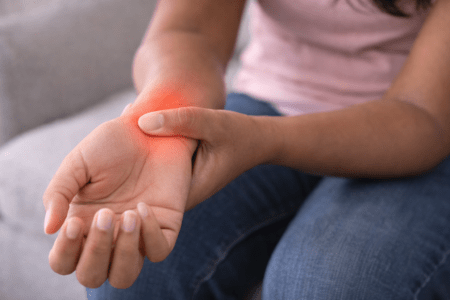
Carpal Tunnel Syndrome: When Your Wrist Starts Sending Hate Mail ✉️😖 Tingling, numbness, and nerve pain that refuses to be ignored So… Your Wrist Has Decided It’s Done With You 😩 Carpal Tunnel Syndrome has a flair for dramatic timing. One moment you’re typing or scrolling, the next your wrist is buzzing, tingling, or sending sharp electric zings straight into your fingers. What’s Actually Going On? 🧠🩺 Inside your wrist is a narrow passageway called the carpal tunnel. When swelling or repetitive strain compresses the median nerve inside it, Carpal Tunnel Syndrome symptoms appear — numbness, pain, and weakness. Repetitive hand motions (typing, gaming, tools) Awkward wrist positioning Fluid retention or inflammation Hormonal changes Underlying medical conditions Modern life and excessive screen use “Carpal Tunnel Syndrome isn’t a minor inconvenience — it’s a full-time wrist uprising.” Why It Hurts (and Why You’re NOT Crazy) 😤 Nerve pain is intense by nature. When the median nerve is irritated, everyday actions can feel exhausting, painful, and emotionally draining. You are not exaggerating — this is real. When to Call in the Pros ⚠️ Worsening or constant numbness Loss of grip strength Nighttime symptoms waking you repeatedly Severe or persistent pain Difficulty holding objects Home Strategies That Often Help 🏡 Maintain a neutral wrist position Adjust workstation ergonomics Take frequent movement breaks Gentle wrist and finger stretches Nighttime wrist braces Cold or warm compresses You’re Not Broken — You’re Human 🌱 Carpal Tunnel Syndrome can be frustrating and exhausting, but support, adaptation, and relief are possible. You deserve comfort, patience, and understanding while your nerves recover. Join the ItHurts Community 💬 Connect with others navigating wrist, hand, and nerve pain — and stop dealing with it alone. Join the Community Medical Disclaimer: This content is for educational and emotional support only and does not replace professional medical advice or diagnosis.

{{Canker Sore}}: The Tiny Mouth Villain That Ruins Your Entire Week

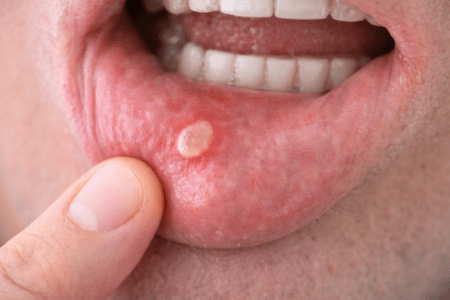
Canker Sore: The Tiny Mouth Villain That Ruins Your Entire Week 😖🔥 Small ulcer. Massive attitude. Zero respect for your plans. A Tiny Pain With Main-Character Energy 😫 A canker sore may be small, but it dominates your mouth, mood, and meals. Drinking water hurts. Smiling hurts. Existing near food hurts. What’s Actually Going On? 🧠🩺 A canker sore is a small ulcer inside the mouth caused by irritation or immune overreaction. Once inflamed, it sits directly on exposed nerves. Accidental cheek or lip bites Stress and immune responses Spicy or acidic foods Hormonal changes Vitamin deficiencies Genetics (yes, it runs in families) “A canker sore proves pain size and pain intensity are not related.” Why It Hurts So Much 😤 Your mouth is packed with nerve endings. Even a tiny ulcer triggers constant nerve signals — which is why it feels wildly unfair. When to Get Professional Help ⚠️ Sores lasting longer than 2–3 weeks Frequent or recurring outbreaks Difficulty eating or drinking Fever or spreading sores Unusually large or worsening ulcers Comfort Strategies That Help 🏡 Avoid spicy, acidic, or salty foods Use a soft toothbrush and gentle mouth rinse Ice chips for temporary numbing Saltwater rinses for soothing Over-the-counter numbing gels You’re Not Weak — You’re Dealing With Real Pain 🌱 Canker sores heal, even if the days feel endless. Be gentle, eat soft, rest your mouth, and remember — this tiny villain does leave eventually. Join the ItHurts Community 💬 Share experiences, coping tips, and solidarity with people who know exactly how a tiny mouth sore can ruin a week. Join the Community Medical Disclaimer: This content is for education and emotional support only and does not replace professional medical or dental advice.

Callus Drama: Why Your Skin Built Tiny Armor (and How to Calm It Down)

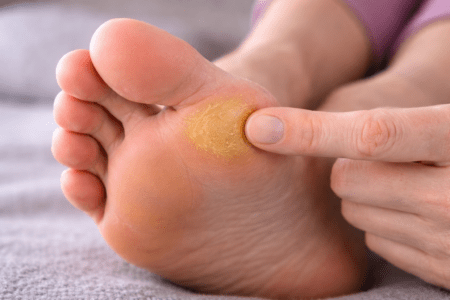
Callus Drama: Why Your Skin Built Tiny Armor 🦶🛡️ And how to calm it down without fighting your own feet. When Your Skin Decides to Build Armor 😅 A callus is your skin’s overprotective response to repeated pressure or friction. Helpful in theory — annoying in practice. What’s Actually Going On? 🧠🩺 When skin experiences ongoing rubbing or pressure, it thickens to protect itself. Over time, that protection can become uncomfortable. Repeated friction or pressure Tight or poorly fitted shoes Standing or walking for long hours Repetitive hand or foot movements “If my callus paid rent for all the pain it causes, I’d be financially free.” Why It Hurts (And Why You’re Not Crazy) 😤 Calluses can press inward on sensitive tissue, making each step or grip feel like you’re walking on a pebble you can’t escape. When to Get Professional Help ⚠️ Severe pain, cracking, or bleeding Redness, swelling, or signs of infection Diabetes or circulation issues Calluses that keep worsening despite care Supportive Home Strategies 🏡 Well-fitting shoes with cushioning Moisturizing thickened skin regularly Warm water soaks to soften skin Gentle smoothing — never aggressive cutting Padding to redistribute pressure You Deserve Comfortable Steps 🌱 A callus is protection — but comfort matters too. With the right balance, your skin can calm down and your steps can feel easier again. Join the ItHurts Community 💬 Connect with others dealing with calluses, foot pain, and skin discomfort — without being brushed off. Join the Community Medical Disclaimer: This content is for education and emotional support only and does not replace professional medical advice or care.

When a Bunion Decides to Run Your Life

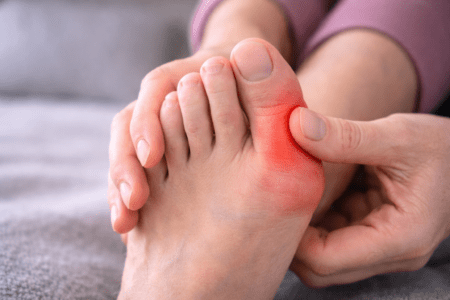
When a Bunion Decides to Run Your Life 👣😤 And how to take the power back — one step at a time. Bunion Pain Is… A Whole Mood 😫 Bunion pain has a way of hijacking your entire day. Every step reminds you it’s there. Every shoe becomes a negotiation. And suddenly, your foot feels like it developed a very loud personality. What’s Actually Going On? 🧠🩺 A bunion forms when the joint at the base of your big toe shifts out of alignment, pushing the toe inward and creating pressure, irritation, and inflammation. Joint misalignment and pressure Inflamed surrounding tissue Shoe friction over a sensitive area Genetics, foot structure, or arthritis “Bunion pain: because apparently my foot wanted a personality trait.” Why It Hurts (And Why You’re Not Crazy) 😤 Bunion pain isn’t just about the bump — it’s about constant mechanical stress every time you stand or walk. That adds up fast. When to Get Professional Support ⚠️ Sudden or severe increase in pain Redness, warmth, or unusual swelling Difficulty walking short distances Pain interfering with sleep or daily life Supportive Home Strategies 🏡 Wide toe-box shoes Soft materials and cushioned insoles Arch support to reduce pressure Ice for flare-ups, warm soaks for stiffness Protective pads or sleeves to reduce friction You Don’t Have to Walk This Alone 🌱 Bunion pain can be stubborn, but it doesn’t get to control your future. Small adjustments, patience, and the right support can make a real difference. Join the ItHurts Community 💬 Connect with others living with bunion pain and foot conditions — without being minimized or dismissed. Join the Community Medical Disclaimer: This content is for education and emotional support only and does not replace professional medical advice or care.

Create Pain Stack