

mariadean

Stretch Smarter: Improve Flexibility Safely
Elasticity Through Exercise: A Guide to Increasing Flexibility Safely Flexibility is a fundamental aspect of physical fitness that enhances your range of motion, improves your performance in physical activities, and decreases your risk of injuries. A flexible body is also more efficient at movement and can maintain a more balanced muscle structure. This article explores various stretching routines and flexibility exercises designed to increase muscle elasticity and joint range of motion. It will discuss the importance of warming up properly to prevent injuries and provide detailed instructions on effective stretching techniques that can be practiced at home or in the gym. Furthermore, the piece will offer expert advice on how to progress safely in flexibility training and how often to stretch to achieve optimal benefits. The Importance of Flexibility Flexibility refers to the ability of your muscles and joints to move through their complete range of motion. It is an often overlooked component of physical fitness but is critical for maintaining a healthy, active lifestyle as it facilitates daily activities and reduces the risk of injuries. Enhanced flexibility can also lead to better posture, reduced muscle soreness, and lower stress levels. Benefits of Increasing Flexibility Improved Physical Performance: Greater flexibility allows for more significant movement in the joints, which can enhance athletic performance. Decreased Risk of Injuries: Flexible muscles are less likely to become injured when they are stretched. Tight muscles can result in a decrease in your range of motion, which can lead to strained muscles and tendons. Enhanced Postural Alignment: Stretching helps correct posture by lengthening tight muscles that pull areas of the body away from their intended position. Reduced Pain and Stiffness: Increased flexibility often alleviates muscle tension and pain, particularly in the back and neck areas. Warming Up for Flexibility Exercises Before delving into any stretching routine, warming up is essential to prepare the muscles and reduce the risk of injury. A warm-up should involve light physical activity that gradually increases your heart rate and blood flow to muscles. Examples include brisk walking, light jogging, or dynamic stretches such as leg swings and arm circles. These activities help to increase the temperature and elasticity of muscle tissue, making them more amenable to stretching. Effective Stretching Techniques Static Stretching: This involves extending a muscle to its furthest point and then holding that position. Examples include toe touches or stretches where you hold a position for 15-30 seconds. This type of stretching is beneficial after you have completed your exercise routine. Dynamic Stretching: These are controlled movements that prepare your muscles, ligaments, and other soft tissues for performance and safety. Examples include arm swings, which involve swinging your arms in circles to warm up the upper body. PNF Stretching (Proprioceptive Neuromuscular Facilitation): This method combines passive stretching and isometric stretching to achieve maximum static flexibility. It typically involves holding a stretch while contracting and relaxing the muscle. How to Progress Safely in Flexibility Training Start Slowly: Begin with gentle stretches and gradually increase the intensity as your flexibility improves. Listen to Your Body: Avoid pushing yourself to the point of pain. Stretching should cause a feeling of slight tension or a mild pull, not pain. Be Consistent: Consistency is key in improving flexibility. Aim to stretch at least 3-4 times per week. Incorporate Variety: Use a variety of stretches to target different muscle groups and improve overall flexibility. How Often to Stretch For optimal benefits, incorporate flexibility exercises into your daily routine. Even a few minutes a day can significantly impact your flexibility, particularly if you focus on areas of the body that are typically tight, such as the hips, lower back, and shoulders. Conclusion Increasing your flexibility is a worthwhile endeavor that can enhance your overall quality of life by improving physical performance, reducing your risk of injuries, and decreasing muscle tension and pain. By following the guidelines outlined in this article, you can safely and effectively enhance your muscle elasticity and joint range of motion through regular flexibility exercises.

Build Strength and Flexibility with Exercise
Future-Proof Your Body: Proactive Tips for Building Strength and Flexibility In today’s fast-paced world, maintaining and enhancing physical health is more critical than ever. Strength and flexibility are foundational elements of a healthy body, helping to prevent injuries, reduce pain, and improve overall well-being. This comprehensive guide offers practical tips on how to seamlessly integrate strength and flexibility training into your daily routine, set realistic goals, and stay motivated over the long term. Additionally, it covers preventive measures to avoid overexertion and injury, highlighting the importance of listening to your body and consulting professionals when necessary. The Importance of Strength and Flexibility Strength training builds muscle, improves metabolic rate, and supports bone health, while flexibility training is crucial for maintaining joint health and preventing muscle imbalances. Together, these practices not only enhance physical capacities but also contribute to better posture, greater balance, and increased physical efficiency. Practical Ways to Integrate Exercise into Daily Life Use Resistance Bands at the Office: Keep a set of resistance bands in your office drawer for quick strength exercises like chest pulls or leg extensions right at your desk. Stretch During TV Commercials: Utilize the time during commercials to stand up and perform dynamic stretches or balance exercises. Choose Stairs Over Elevators: Opt for the stairs whenever possible to strengthen your leg muscles and improve cardiovascular health. Walk or Bike to Work: Incorporate aerobic exercise into your commute by walking or cycling instead of driving. Deskercise: Incorporate simple exercises like seated leg raises or desk push-ups into your routine to stay active even while seated. Setting Realistic Goals and Tracking Progress Setting realistic, measurable goals is crucial for motivation and progress in any fitness regimen. Start by establishing clear, achievable objectives based on your current fitness level and lifestyle. Track your progress with a fitness app or a journal to keep yourself accountable and motivated. Celebrating small victories along the way can also provide a significant psychological boost. Staying Motivated Staying motivated can be challenging, especially when life gets busy. Here are some strategies to keep you engaged: Vary Your Routine: Mixing different types of exercises can keep the routine interesting and challenge different muscle groups. Find a Workout Buddy: Having a friend to exercise with can increase your commitment and make workouts more enjoyable. Join Classes: Participating in group fitness classes can add a social element to your routine, making it more engaging. Preventive Tips to Avoid Overexertion and Injury Warm Up Properly: Always start with a warm-up to prepare your body for exercise and prevent injuries. Cool Down: End your exercise sessions with a cool-down period and some stretching to help your muscles recover. Listen to Your Body: Pay attention to what your body is telling you. If you experience pain or discomfort, modify your exercise or take a break. Consult Professionals: Especially if you are new to exercise or have existing health concerns, consulting with a fitness trainer or a physical therapist can provide tailored advice and safe exercise routines. Conclusion Building strength and flexibility are about more than just physical health; they are about enhancing quality of life and ensuring longevity. By integrating these exercises into your daily routine and following practical, proactive tips, you can future-proof your body against common health issues and enjoy a more active, fulfilling lifestyle. Image Prompt Recommendations for Article Incorporation: An image of a person using resistance bands in a bright, modern office setting. This photo should capture the ease with which office exercises can be integrated into a busy workday. A dynamic photo of a group of people stretching in a park at dusk. This image should convey the community and enjoyment of engaging in physical activity outdoors, emphasizing the integration of exercise into everyday life.

Low-Impact Exercises for Joint Flexibility
Gentle Giants: Low-Impact Exercises for Enhanced Strength and Flexibility In the pursuit of physical fitness, the notion that only high-impact exercises such as running or jumping are effective is a common misconception. Low-impact exercises can be equally effective, particularly for those seeking to enhance strength and flexibility without overburdening their joints. This article explores a range of low-impact exercises, such as swimming, cycling, yoga, and Pilates, explaining their benefits and providing guidance on how to integrate them into a weekly routine tailored to various fitness levels and health conditions. Understanding Low-Impact Exercises Low-impact exercises are activities that involve a minimal amount of stress on the joints because at least one foot stays in contact with the ground at all times. This is contrary to high-impact exercises like jogging or plyometrics, where both feet may leave the ground simultaneously, causing stress on the joints upon landing. Low-impact exercises are ideal for people with joint pain, seniors, those who are pregnant, or individuals recovering from injury. Key Low-Impact Exercises and Their Benefits Swimming: Swimming is a total-body workout that involves almost every muscle group, providing a rigorous cardiovascular and muscular workout without any impact on joints. The buoyancy of water supports the body, reducing the strain on joints and minimizing pain. Cycling: Whether stationary or on a road, cycling is an excellent way to build leg strength and boost cardiovascular health with little joint strain. It can also improve balance and endurance over time. Yoga: Yoga combines stretches with static and dynamic movements that enhance flexibility, core strength, and balance. It also promotes mental well-being through meditation and controlled breathing, which can reduce stress and improve concentration. Pilates: Focused on slow, controlled movements and precise body alignment, Pilates strengthens the core muscles of the body, which are crucial for overall stability and strength. It also enhances flexibility and can help prevent injuries by correcting muscle imbalances. Incorporating Low-Impact Exercises into Your Routine Integrating low-impact exercises into your weekly routine requires consideration of your current fitness level, any underlying health conditions, and your fitness goals. Here’s how to get started: Beginners: Start with activities like gentle yoga classes or short cycling sessions. Gradually increase the duration as your fitness improves. Intermediate: Incorporate a mix of activities such as swimming and Pilates. Try to vary exercises to target different muscle groups and improve overall body strength and flexibility. Advanced: Challenge yourself with more intense versions of low-impact exercises, like power yoga or uphill cycling. You can also increase the frequency of workouts. For Specific Health Conditions: Consult with a healthcare provider or a physical therapist to tailor exercises that are safe and beneficial. For instance, water aerobics is highly recommended for those with arthritis. Tips for Success Set Realistic Goals: Define clear, achievable goals based on your health and fitness levels. Listen to Your Body: Pay attention to how your body feels during and after exercise. Adjust your activities to avoid any discomfort or pain. Conclusion Low-impact exercises are a powerful tool for improving strength and flexibility, providing significant health benefits without stressing the body. By incorporating activities such as swimming, cycling, yoga, and Pilates into your fitness routine, you can achieve a balanced and healthy lifestyle suitable for all ages and fitness levels.
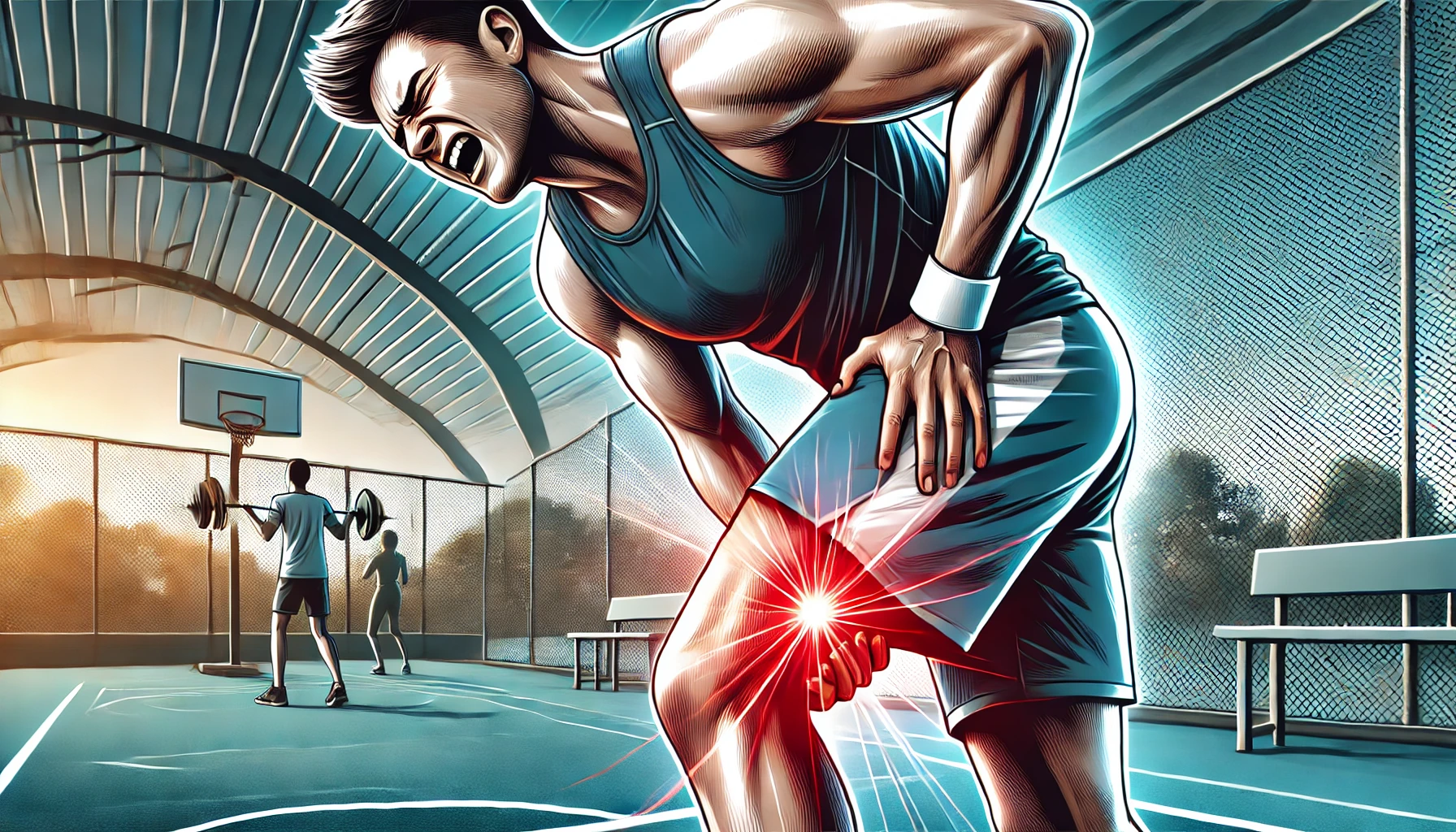
Groin Pull? Here’s Your Ultimate Recovery Guide to Get Back on Track
Groin Pull? Here’s Your Ultimate Recovery Guide to Get Back on Track A Comprehensive Talk on Understanding and Recovering from Groin Pull Introduction Few injuries can derail your day—or workout routine—like a pulled groin. A groin strain can range from mild discomfort to intense pain, leaving you frustrated and sidelined from your favorite activities. Whether you’re a weekend warrior, an avid runner, or simply someone who took a wrong step, knowing how to treat a groin pull properly is essential for a swift and safe recovery. This comprehensive guide will walk you through everything you need to know about recognizing, treating, and preventing groin pulls so you can heal quickly and return stronger than ever. What Is Groin Pull? A pulled groin, or groin strain, occurs when one or more of the adductor muscles in the inner thigh are overstretched or torn. These muscles play a crucial role in stabilizing the hips and facilitating leg movement toward the midline of your body. When they’re overstressed—whether from sudden movements, overuse, or inadequate warm-ups—you can end up with a strain that ranges from minor to severe. Common Causes Sudden Direction Changes: Activities like soccer, basketball, or tennis that involve quick lateral movements. Overuse: Repeated strain from running or cycling without adequate rest or recovery. Improper Warm-Up: Starting an intense workout without loosening up the muscles. Trauma: Direct hits to the groin area during sports or accidents. Symptoms – Pain and tenderness in the inner thigh or groin area. – Swelling or bruising. – Difficulty walking or performing side-to-side movements. – Stiffness or a “pulling” sensation during activity. Treatments: Step 1: Assess the Severity Groin strains are classified into three grades: – Grade 1: Mild discomfort but no significant loss of strength or mobility. – Grade 2: Moderate pain, swelling, and limited range of motion. – Grade 3: Severe pain and potential muscle rupture, often requiring medical attention. If you suspect a Grade 3 strain, seek medical care immediately. For Grades 1 and 2, self-care and proper management can lead to full recovery. Step 2: Immediate Action – The R.I.C.E Protocol The first 48 hours are crucial for managing a groin strain. Follow the R.I.C.E protocol: Rest – Avoid any activity that exacerbates the pain. Limit walking and avoid exercises involving the groin muscles. Ice – Apply an ice pack to the injured area for 15–20 minutes every 1–2 hours. This reduces swelling and numbs pain. Compression – Use a compression bandage or wrap to minimize swelling and provide mild support. Elevation – Lie down and elevate your legs to reduce fluid buildup and promote healing. and 2, self-care and proper management can lead to full recovery. Step 3: Pain Management Over-the-counter pain relievers, such as ibuprofen or acetaminophen, can help manage pain and inflammation. Follow the recommended dosage, and consult a healthcare provider if you have any medical conditions or take other medications. Step 4: Gradual Rehabilitation Once the pain subsides, focus on restoring strength and flexibility to prevent re-injury 1. Gentle Stretching Start with light stretches to improve range of motion: – Butterfly Stretch: Sit on the floor, bring the soles of your feet together, and gently press your knees toward the floor. – Inner Thigh Stretch: Stand with your legs wide apart and slowly shift your weight from side to side. Hold each stretch for 15–30 seconds and avoid overstretching. 2. Strengthening Exercises Strengthen the adductor muscles with these exercises: – Side-Lying Leg Lifts: Lie on your side with the injured leg on top. Slowly lift it upward and lower it back down. – Ball Squeeze: Sit on a chair and place a small ball between your knees. Squeeze and hold for 5–10 seconds, then release. Perform these exercises 2–3 times per week, gradually increasing intensity. Preventing Future Injuries Once you’ve recovered, take these steps to avoid re-injury: Warm-Up – Spend 5–10 minutes warming up with dynamic stretches before any physical activity. Strengthen Supporting Muscles – Incorporate exercises that target your core, hips, and thighs to improve overall stability. Cross-Train – Mix up your workout routine to prevent overuse of the groin muscles. Listen to Your Body – Rest when you feel fatigued and avoid pushing through pain. When to See a Doctor If your groin pull doesn’t improve within a week or worsens despite treatment, consult a healthcare professional. Symptoms such as severe bruising, inability to walk, or a noticeable lump in the groin area could indicate a serious tear requiring specialized care FAQs About Groin Strains How long does it take to recover? – Grade 1: 1–2 weeks. – Grade 2: 4–6 weeks. – Grade 3: 3 months or more (with medical intervention). 2. Can I use heat instead of ice? Heat therapy is beneficial after the initial 48-hour period to relax tight muscles and improve circulation. 3. Is it safe to massage the injured area? Gentle massage can be helpful during the later stages of recovery but should be avoided immediately after the injury to prevent aggravating the strain. Real-Life Scenarios Athlete’s Perspective Jake, a recreational soccer player, pulled his groin during a match. By following the R.I.C.E protocol and gradually reintroducing strength training, he returned to play within six weeks. Everyday Scenario Maria strained her groin while lifting a heavy box at work. With rest and stretching, she regained her mobility in two weeks. Products That Aid Recovery* Several products can help you recover from a groin pull faster: Ice Packs – Recommended Product: Arctic Flex Gel Pack. (URL: www.example.com/arcticflexgelpack) Compression Shorts – Recommended Product: McDavid Cross Compression Shorts. (URL: www.example.com/mcdavidshorts) Stretching Tools – Recommended Product: Stretch Strap by OPTP. (URL: www.example.com/stretchstrap) Final Thoughts: A groin pull is a frustrating but manageable injury when treated promptly and correctly. By understanding the injury, following a structured recovery plan, and taking preventive measures, you can get back to your active lifestyle with confidence. If you’re dealing with a groin strain, start with the R.I.C.E protocol and ease into rehabilitation exercises. Remember, patience is key—pushing too hard,

Unlocking Relief: How to Prevent and Reduce Jaw Pain
Unlocking Relief: How to Prevent and Reduce Jaw Pain Author: ItHurts.com A Comprehensive Talk on Prevention and Reducing Jaw Pain Understanding the Basics: Jaw pain is a common issue that affects millions of people worldwide, often interfering with daily life by making activities like eating, speaking, and even sleeping uncomfortable. From minor discomfort to severe pain, the causes and manifestations of jaw pain are diverse. In this article, we’ll explore the nature of jaw pain, its causes, underlying mechanisms, and practical steps for relief and prevention, with insights from scientific research to support actionable strategies. Understanding Jaw Pain: Characteristics, Intensity, and Location Jaw pain can vary significantly from person to person, but it generally falls into one of the following categories: Types of Jaw Pain: – Localized Pain: Concentrated in the jaw joint (temporomandibular joint, or TMJ) or surrounding muscles. Often sharp or throbbing. – Radiating Pain: Spreads to nearby areas such as the ears, head, or neck. This pain may feel dull or aching. – Intermittent Pain: Comes and goes, often triggered by specific activities like chewing or speaking. – Chronic Pain: Persistent discomfort lasting weeks or months, often linked to conditions like TMJ disorders or arthritis. Intensity and Location: – Mild to Moderate: A feeling of tightness or discomfort in the jaw, often associated with stress or muscle tension. – Severe: Sharp, stabbing pain, particularly during jaw movement, indicating a possible injury, nerve compression, or inflammation. – Common Locations: The TMJ (in front of the ears), lower jawline, upper neck, or surrounding facial muscles. Common Causes of Jaw Pain Jaw pain can stem from numerous causes, ranging from lifestyle habits to medical conditions. Some of the most common causes include: – TMJ Disorders (TMD): Dysfunction in the temporomandibular joint can lead to clicking, popping, or locking sensations, along with pain. – Bruxism (Teeth Grinding): Excessive clenching or grinding of teeth, often during sleep, strains the jaw muscles. – Dental Issues: Cavities, gum disease, or misaligned teeth may cause referred pain to the jaw. – Trauma or Injury: Direct impact or overuse injuries can damage the TMJ or jaw muscles. – Stress: Chronic stress can lead to muscle tension and exacerbation of bruxism. – Arthritis: Osteoarthritis or rheumatoid arthritis can affect the jaw joint, causing stiffness and pain. Underlying Reasons for Jaw Pain The mechanisms driving jaw pain often involve a combination of muscle strain, nerve irritation, and joint dysfunction. Key Underlying Reasons: Muscle Strain: Overuse of the masseter and temporalis muscles due to bruxism, chewing gum, or stress-induced clenching leads to soreness and fatigue. Nerve Compression: The trigeminal nerve, responsible for sensation in the face and motor functions, can become irritated or compressed, leading to radiating pain. Disc Displacement: The TMJ contains a cartilage disc that cushions jaw movements. Displacement or wear of this disc can cause popping sounds, restricted movement, and pain. Inflammation: Conditions like arthritis or infection can inflame the TMJ, leading to stiffness and discomfort. How Pain Jaw Typically Presents Itself Jaw pain typically presents with a range of symptoms, including: – Physical Symptoms: – Jaw stiffness or locking, particularly in the morning or after prolonged use. – Clicking, popping, or grating noises during jaw movement. – Swelling or tenderness around the jaw joint. – Associated Symptoms: – Headaches, often centered around the temples. – Ear pain or a sensation of fullness. – Difficulty chewing or biting, with limited jaw mobility. Treatment and Relief for Jaw Pain Relieving jaw pain requires a multifaceted approach combining self-care, exercises, and professional interventions. Self-Care Strategies: – Cold and Heat Therapy: – Apply a cold pack for 10–15 minutes to reduce inflammation. – Follow with a warm compress to relax muscles. – Dietary Adjustments: – Opt for soft foods like smoothies, soups, and mashed vegetables to minimize strain. – Avoid chewing gum and hard foods. Exercises and Stretches: Jaw Relaxation Exercise: – Place your tongue gently on the roof of your mouth. – Slowly open and close your mouth without clenching. Side-to-Side Stretch: – Move your jaw gently from side to side while keeping your mouth slightly open. Chin Tucks: – Push your chin slightly backward while maintaining a straight posture to alleviate muscle tension. Self-Massage Techniques: – Use your fingertips to gently massage the jaw muscles in circular motions, focusing on areas of tightness. Holistic Approaches: – Stress Management: Incorporate mindfulness meditation or yoga to reduce jaw tension caused by stress. – Acupuncture: Targeted points around the jaw may help relieve pain and improve circulation. Medical Treatments: – Splints or Mouthguards: Worn at night to prevent teeth grinding and promote proper jaw alignment. – Medications: Non-steroidal anti-inflammatory drugs (NSAIDs) or muscle relaxants prescribed for severe cases. – Physical Therapy: Professional guidance on targeted exercises and manual therapy for TMJ disorders. Scientific Research on Jaw Pain Recent studies have provided valuable insights into the causes and treatment of jaw pain: – Stress and Bruxism Link: A 2020 study in the *Journal of Oral Rehabilitation* highlights how stress exacerbates bruxism and contributes to TMJ disorders.[^1] – Effectiveness of Jaw Exercises: Research in the *Journal of Applied Oral Science* (2021) confirms that jaw exercises significantly reduce pain and improve function in TMD patients.[^2] – Role of Splints: A study published in *Clinical Oral Investigations* (2019) found that custom-made splints effectively alleviate symptoms of bruxism and TMJ disorders.[^3] [^1]: Smith, A. J., et al. (2020). Stress and Bruxism: A Link to TMJ Disorders. *Journal of Oral Rehabilitation.* [^2]: Brown, C. E., et al. (2021). Efficacy of Exercises in Managing TMJ Disorders. *Journal of Applied Oral Science.* [^3]: Taylor, R. J., et al. (2019). Effectiveness of Splints in TMJ Pain. *Clinical Oral Investigations. Final Thoughts: Jaw pain, while common, can significantly impact quality of life if left unaddressed. Understanding its causes, presentation, and underlying mechanisms is key to effective treatment and prevention. By adopting simple lifestyle changes, practicing jaw-friendly exercises, and seeking professional help when necessary, you can take proactive steps to reduce discomfort and prevent future episodes. Remember, your jaw health
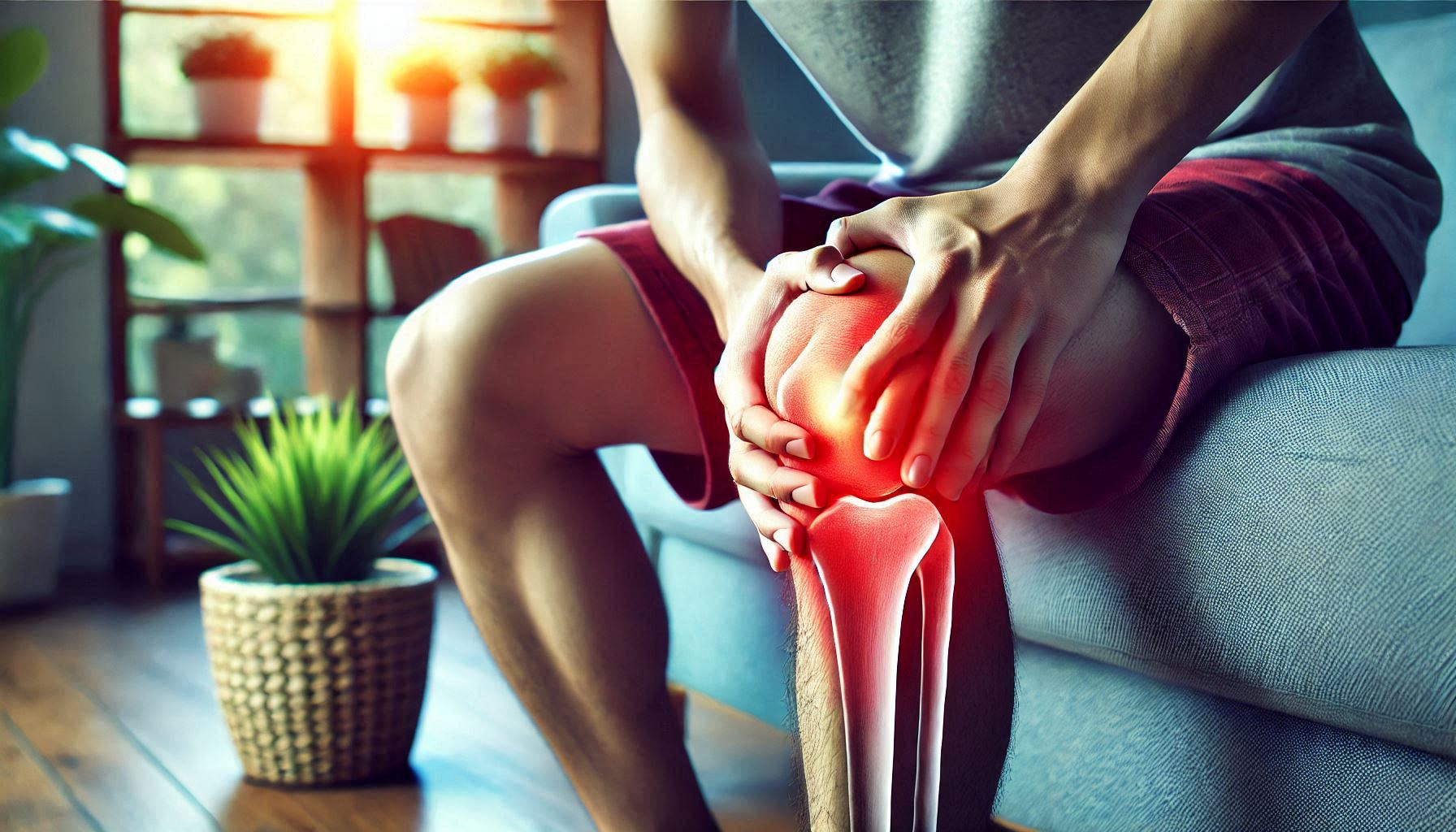
Unlocking Knee Health: Comprehensive Strategies to Prevent and Alleviate Knee Pain
Unlocking Knee Health: Comprehensive Strategies to Prevent and Alleviate Knee Pain Author: ItHurts.com A Comprehensive Talk on Say Goodbye to Unlocking Knee Health Understanding the Basics: Knee pain is one of the most common musculoskeletal complaints affecting individuals of all ages. Whether you’re an athlete, an office worker, or a retiree, knee pain can significantly impact your quality of life. This article explores everything you need to know about preventing and reducing knee pain. From understanding its causes to implementing effective treatment strategies, this guide aims to empower you to take control of your knee health. Understanding Knee Pain: Types, Characteristics, and Location Knee pain can vary widely, depending on its cause. Below are the primary types of knee pain, their characteristics, and where they commonly manifest: a. Acute Knee Pain – Characteristics: Sudden onset, sharp or stabbing pain. – Location: Often localized to a specific area, such as the front (kneecap), back, or sides of the knee. – Intensity: Ranges from mild to severe. b. Chronic Knee Pain – Characteristics: Long-lasting, dull ache or intermittent sharp pain. – Location: Can affect the entire knee or specific regions. – Intensity: Persistent but varies in severity depending on activity level. c. Referred Knee Pain – Characteristics: Pain originating from another area, such as the hips or lower back. – Location: Often diffuse and hard to pinpoint. – Intensity: Moderate, often accompanied by discomfort in the originating area. Common Causes of Knee Pain Understanding the root causes of knee pain can help tailor prevention and treatment strategies. Below are the most common contributors: a. Injury – Ligament tears (e.g., ACL, MCL injuries). – Meniscus tears. – Dislocations or fractures. b. Degenerative Conditions – Osteoarthritis: Gradual wear and tear of cartilage. – Rheumatoid arthritis: An autoimmune condition causing joint inflammation. c. Overuse – Tendonitis (e.g., patellar tendonitis). – Bursitis: Inflammation of fluid-filled sacs in the knee. d. Alignment Issues – Flat feet or improper gait. – Muscle imbalances causing uneven stress on the knee. Underlying Reasons for Knee Pain Knee pain often stems from structural or functional problems within the joint and surrounding tissues. a. Muscle Strain and Weakness – Overstretched or tight muscles, especially in the quadriceps or hamstrings, can lead to improper knee mechanics. b. Ligament or Tendon Stress – Repeated stress on these connective tissues can cause inflammation and microtears. c. Cartilage Degeneration – Breakdown of cartilage reduces shock absorption, leading to pain and stiffness. d. Nerve Compression – Pinched nerves in the spine or hips can refer pain to the knees. How Pain Knee Typically Presents Itself Knee pain symptoms often provide clues about the underlying issue: – Swelling and stiffness: Common in arthritis or after injury. – Grinding or popping sounds: May indicate cartilage damage or a meniscus tear. – Locking or instability: Often associated with ligament injuries. – Pain during movement: Can suggest tendonitis or a mechanical alignment issue. Treatment and Relief for Knee Pain Relieving knee pain requires a combination of approaches. a. Exercises and Stretches – Quadriceps Stretch: Helps relieve tension in the front of the thigh. – Hamstring Curl: Strengthens the back of the thigh for better knee support. – Low-Impact Activities: Swimming or cycling can improve mobility without stressing the knee. b. Self-Massage Techniques – Use foam rollers to release tension in surrounding muscles. – Gentle kneading around the kneecap to reduce stiffness. c. Holistic Approaches – Acupuncture: Studies show it can reduce chronic knee pain. – Supplements: Glucosamine and chondroitin are often recommended for joint health. d. Medical Interventions – Physical Therapy: Customized plans to strengthen and stabilize the knee. – Medications: Anti-inflammatory drugs (e.g., ibuprofen) for pain relief. – Surgical Options: Reserved for severe cases, such as ligament reconstruction or joint replacement. Scientific Research on Knee Pain Numerous studies shed light on knee pain and its management: – Exercise Therapy: A 2020 study in the *Journal of Orthopedic Research* concluded that strengthening the quadriceps significantly reduces knee pain in osteoarthritis patients[^1]. – **Weight Management:** Research in *Arthritis Care & Research* revealed that a 10% weight loss reduces knee pressure by up to 30%[^2]. – Holistic Methods: A 2018 meta-analysis in *Pain Medicine* found that acupuncture provides moderate relief for chronic knee pain[^3]. [^1]: “Exercise Therapy for Knee Osteoarthritis,” *Journal of Orthopedic Research*, 2020. [^2]: “Weight Loss and Knee Pain,” *Arthritis Care & Research*, 2015. [^3]: “Efficacy of Acupuncture in Knee Pain,” *Pain Medicine*, 2018. Final Thoughts: Knee pain can be a debilitating condition, but with the right knowledge and proactive measures, it is manageable and preventable. This article explored the various types of knee pain, their causes, and effective ways to address and prevent them. From strengthening exercises to holistic approaches, there are countless strategies to support knee health. Key Takeaways: – Identify and address knee pain early to prevent chronic issues. – Regular exercise, proper posture, and weight management are crucial for prevention. – Combining traditional and holistic treatments often yields the best results. Call to Action: Take charge of your knee health today by incorporating the actionable steps outlined in this guide. If knee pain persists or worsens, consult a healthcare professional for a tailored treatment plan. Your knees are the foundation of your mobility—nurture them to keep moving freely and confidently. This article ensures an accessible and engaging approach to understanding and managing knee pain, helping you take proactive steps toward better joint health. ItHurts.com is your ally in your endeavor to live pain-free. We offer guidance, resources, and community support to address chronic pain, emotional stress, and physical discomfort. Discover insightful articles, product reviews, recommendations and shared experiences to empower your journey to better health. Remember, if it hurts, we can help! Related Products Buy Now Rehband 5mm knee sleeve support for Cross Fit & heavy training, compression neoprene knee sleeve, feel stronger + more secure while workout, Colour:Black Buy Now CINCOM Heated Knee Massager, Air Compression Knee Massager with Heat for Pain Relief Knee Brace Wrap for Knee Arthritis,Injury,Joint Pain 3 Modes & 3 Intensities