

mariadean

Breathless Battles: Understanding and Alleviating the Pain of Lung Cancer
Breathless Battles: Understanding and Alleviating the Pain of Lung Cancer Author: ItHurts.com A Comprehensive Talk on Alleviating the Pain of Lung Cancer Understanding the Basics: Lung cancer is not just a diagnosis; it’s a life-altering battle that impacts every aspect of a person’s physical, emotional, and social well-being. Among the many challenges faced by individuals with lung cancer, pain often takes center stage. It can be relentless, affecting daily life and mental health, and it often requires a multifaceted approach for effective management. This article explores the types of pain caused by lung cancer, why they occur, and practical strategies to alleviate and manage this pain to improve the quality of life. What Is Carpal Tunnel Syndrome? Carpal Tunnel Syndrome occurs when the median nerve—running from the forearm into the palm—becomes compressed as it passes through the carpal tunnel, a narrow passageway in the wrist. This nerve controls sensations in the thumb, index finger, middle finger, and part of the ring finger, as well as the movement of some hand muscles. The compression of the median nerve can result from repetitive hand and wrist movements, prolonged use of vibrating tools, or underlying health conditions like diabetes and rheumatoid arthritis. Understanding Lung Cancer Pain Pain associated with lung cancer can stem from several sources, including the tumor itself, treatment side effects, or secondary conditions caused by the cancer. Let’s delve into the most common pain types experienced by those with lung cancer: Tumor-Related Pain Lung cancer tumors can press against nearby nerves, bones, or organs, causing localized or referred pain. For example, a tumor pressing on the pleura (the thin lining of the lungs and chest cavity) can cause sharp, localized chest pain. Similarly, bone metastases, a common complication, lead to deep, aching pain. Treatment-Induced Pain Treatments such as chemotherapy, radiation therapy, and surgery can result in side effects that contribute to discomfort. Nerve damage from surgery or radiation can cause neuropathic pain, characterized by burning or tingling sensations. Chemotherapy drugs may cause joint or muscle pain as well. Secondary Complications Lung cancer can lead to complications such as pleural effusion (fluid buildup in the chest), blood clots, or infections, all of which can cause varying levels of pain and discomfort. Psychosomatic Pain The stress and anxiety of battling a life-threatening illness can exacerbate the perception of pain. Emotional distress often amplifies physical pain, creating a vicious cycle that affects overall well-being. The Impact of Lung Cancer Pain on Quality of Life Chronic pain associated with lung cancer significantly affects a person’s quality of life. It can hinder mobility, disrupt sleep, and lead to social isolation. Beyond the physical toll, persistent pain often contributes to psychological challenges such as depression, anxiety, and feelings of hopelessness. Understanding and addressing pain is essential not only for physical health but also for mental and emotional resilience. Strategies to Alleviate Lung Cancer Pain Managing lung cancer pain requires a comprehensive approach that combines medical treatments, lifestyle adjustments, and supportive therapies. Below are some effective strategies: 1. Medical Pain Management Medications – Opioids: These are often prescribed for moderate to severe pain. Common options include morphine, oxycodone, and fentanyl. While effective, opioids must be used under strict medical supervision to avoid dependency and side effects like constipation or drowsiness. – Non-Steroidal Anti-Inflammatory Drugs (NSAIDs): Medications like ibuprofen or aspirin can be used for mild to moderate pain, especially if inflammation is a contributing factor. – Adjuvant Medications: Drugs like antidepressants (e.g., amitriptyline) or anticonvulsants (e.g., gabapentin) are helpful in managing neuropathic pain. Interventional Procedures – Nerve Blocks: These involve injecting an anesthetic near specific nerves to block pain signals. – Epidural or Spinal Infusions: In cases of severe pain, continuous delivery of pain medication via the spine can be considered. – Radiation Therapy: Targeted radiation can shrink tumors, relieving pressure on surrounding tissues and alleviating pain. Non-Medical Pain Management Physical Therapy Physical therapists can design exercises to improve strength, flexibility, and mobility. Gentle movements can help alleviate stiffness and prevent further complications from immobility. Complementary Therapies – Acupuncture: This ancient practice has shown promise in relieving cancer-related pain by stimulating specific points in the body to release endorphins. – Massage Therapy: A gentle massage can help relax tense muscles and improve circulation, offering temporary relief from discomfort. Breathing Exercises Pain and anxiety often make breathing difficult. Simple techniques, such as diaphragmatic breathing, can help ease chest discomfort and promote relaxation. Lifestyle Adjustments Nutrition Maintaining a balanced diet supports overall health and can reduce inflammation that exacerbates pain. Anti-inflammatory foods, such as leafy greens, berries, and fatty fish, may help. Restorative Sleep Pain often disrupts sleep, but addressing this is critical for healing. Strategies like using supportive pillows, creating a calming bedtime routine, or discussing sleep aids with a doctor can improve rest quality. Regular Activity While vigorous exercise may be off the table, light activities such as walking or yoga can release endorphins, the body’s natural painkillers, and enhance mood. 4. Psychological and Emotional Support Cognitive Behavioral Therapy (CBT) CBT can help individuals reframe negative thought patterns that exacerbate pain perception. Techniques learned in therapy sessions can also provide tools to manage emotional distress. Support Groups Connecting with others who understand the challenges of lung cancer can be incredibly validating. Sharing experiences and coping strategies can ease feelings of isolation and provide practical tips for pain management. Mindfulness and Relaxation Practices such as meditation, guided imagery, and progressive muscle relaxation can reduce stress and the intensity of pain. Mindfulness helps individuals focus on the present moment rather than the overwhelming nature of their illness. 5. Palliative and Hospice Care Palliative care focuses on improving quality of life by addressing pain and other symptoms. This care can begin at any stage of the illness and works alongside curative treatments. Hospice care, on the other hand, is specific to end-of-life care, ensuring comfort and dignity. The Role of Caregivers Caregivers play a crucial role in supporting loved ones through the pain of lung cancer. They can assist

Stop the Pain in Its Tracks: Early Warning Signs of Carpal Tunnel Syndrome You Shouldn’t Ignore
Stop the Pain in Its Tracks: Early Warning Signs of Carpal Tunnel Syndrome You Shouldn’t Ignore Author: ItHurts.com A Comprehensive Talk on Signs of Carpal Tunnel Syndrome You Shouldn’t Ignore Understanding the Basics: Carpal Tunnel Syndrome (CTS) is one of the most common repetitive stress injuries, affecting millions of people worldwide. Despite its prevalence, many dismiss the early symptoms, attributing them to temporary discomfort or overuse. This delay in recognizing the signs can lead to worsening symptoms, long-term nerve damage, and even permanent disability if left untreated. Recognizing the early warning signs of CTS is crucial for prompt intervention and prevention of long-term consequences. What Is Carpal Tunnel Syndrome? Carpal Tunnel Syndrome occurs when the median nerve—running from the forearm into the palm—becomes compressed as it passes through the carpal tunnel, a narrow passageway in the wrist. This nerve controls sensations in the thumb, index finger, middle finger, and part of the ring finger, as well as the movement of some hand muscles. The compression of the median nerve can result from repetitive hand and wrist movements, prolonged use of vibrating tools, or underlying health conditions like diabetes and rheumatoid arthritis. Understanding the Early Warning Signs of Carpal Tunnel Syndrome Early detection of CTS can make a significant difference in the course of the condition. Here are the key early symptoms to watch for: 1. Tingling or Numbness in the Fingers One of the hallmark symptoms of CTS is a tingling or “pins and needles” sensation in the thumb, index, middle, and ring fingers. This sensation may start intermittently, often occurring during activities like typing, driving, or holding a phone. Over time, the numbness may become more frequent and noticeable, disrupting daily activities and sleep. 2. Weakness in the Hand People with CTS often experience a gradual weakening of grip strength. Tasks that once felt effortless, such as holding a coffee mug, opening jars, or gripping a steering wheel, may become increasingly difficult. This weakness results from the inability of the median nerve to send proper signals to the muscles in the hand. 3. Pain Radiating Up the Arm Early CTS may cause pain that extends from the wrist into the forearm or even up to the shoulder. This radiating pain is often mistaken for other conditions, such as tendonitis or a pinched nerve in the neck. If the pain is accompanied by other symptoms like numbness or tingling, it’s a strong indicator of CTS. 4. Nighttime Discomfort A common early sign of CTS is waking up with wrist pain or numbness in the fingers. This occurs because many people sleep with their wrists bent, which increases pressure on the median nerve. Wearing a wrist splint at night can alleviate this discomfort, but it’s important to consult a doctor for proper diagnosis. 5. Clumsiness or Difficulty Performing Fine Motor Tasks If you find yourself frequently dropping objects or struggling with tasks that require precision, like buttoning a shirt or typing, it could be an early sign of CTS. This clumsiness stems from nerve compression that affects hand coordination. Who Is at Risk? Certain factors can increase the likelihood of developing CTS. Understanding these risk factors can help you take preventative measures: – Repetitive Hand Movements: Jobs or hobbies involving repetitive wrist motions, such as typing, knitting, or playing musical instruments, can strain the median nerve. – Gender: Women are three times more likely than men to develop CTS, possibly due to having smaller carpal tunnels. – Age: CTS is more common in individuals aged 30 to 60. – Health Conditions: Diabetes, hypothyroidism, arthritis, and obesity can increase the risk of CTS by causing nerve damage or inflammation. – Pregnancy: Hormonal changes and fluid retention during pregnancy can compress the median nerve. Why Early Detection Matters Ignoring the early symptoms of CTS can have serious consequences. Here’s why timely diagnosis and treatment are crucial: 1. Preventing Permanent Nerve Damage Prolonged compression of the median nerve can lead to irreversible nerve damage, resulting in chronic pain, weakness, and loss of sensation in the hand. 2. Avoiding Surgery Mild cases of CTS can often be managed with conservative treatments like wrist splints, physical therapy, or corticosteroid injections. Delayed treatment may necessitate surgery to relieve the pressure on the median nerve. 3. Maintaining Quality of Life Early intervention can prevent CTS from interfering with your daily activities, work performance, and hobbies. Left untreated, CTS can significantly impact your ability to use your hands effectively. Treatment Options for Carpal Tunnel Syndrome Treatment for CTS varies depending on the severity of the condition. Early intervention can often prevent the need for more invasive treatments. Here are some common approaches: 1. Lifestyle Modifications Making changes to reduce wrist strain can help alleviate symptoms. For example: – Adjust your workstation to promote an ergonomic posture. – Take regular breaks during repetitive activities. – Avoid sleeping with your wrists bent. 2. Wrist Splints Wearing a wrist splint, especially at night, can keep your wrist in a neutral position, reducing pressure on the median nerve. 3. Physical Therapy A physical therapist can teach you exercises to strengthen and stretch the wrist and hand muscles, improving flexibility and reducing strain. 4. Medications Over-the-counter pain relievers, such as ibuprofen, can reduce inflammation and alleviate discomfort. In some cases, corticosteroid injections may be recommended for more severe symptoms. 5. Surgery For advanced cases of CTS that don’t respond to conservative treatments, carpal tunnel release surgery may be necessary. This procedure involves cutting the ligament that presses on the median nerve, relieving pressure and restoring function. When to Seek Medical Advice If you experience any of the early symptoms of CTS, don’t wait to consult a healthcare professional. Here are some signs that warrant immediate medical attention: – Persistent tingling, numbness, or pain that doesn’t improve with rest. – Worsening weakness in the hand or difficulty gripping objects. – Symptoms that disrupt sleep or daily activities. Your doctor may recommend diagnostic tests, such as nerve conduction studies or electromyography, to confirm the diagnosis

Beyond the Blues: Preventing and Reducing Depression-Related Pain
Beyond the Blues: Preventing and Reducing Depression-Related Pain Author: ItHurts.com A Comprehensive Talk on Depression and Chronic Pain Understanding the Basics: When discussing depression, the focus often revolves around emotional well-being, yet its physical manifestations—commonly referred to as depression-related pain—are just as impactful. This pain, which includes headaches, muscle aches, and deep fatigue, often compounds the challenges of mental health struggles. Fortunately, understanding, treating, and preventing this pain is possible with a combination of awareness, proactive care, and evidence-based strategies. Description of Depression-Related Pain Depression-related pain manifests in several forms, often varying from person to person: – Headaches: These are tension-type headaches characterized by a dull, constant ache, typically felt around the forehead or temples. Unlike migraines, they do not involve nausea or sensitivity to light. – Muscle Aches and Joint Pain: Generalized muscle stiffness, soreness, and joint discomfort are common. The pain can feel similar to fibromyalgia, a condition marked by widespread musculoskeletal pain. – Chest Pain: Depression can intensify the perception of chest pain, often mistaken for heart issues. It may stem from increased tension in the chest muscles or the physiological effects of stress. – Back Pain: Persistent back pain often accompanies depression, exacerbated by poor posture, inactivity, or stress-related muscle tension. – Fatigue and Body Aches: A profound sense of physical exhaustion, coupled with aching muscles and joints, is a hallmark of depression-related pain. Underlying Reasons for Depression-Related Pain Physiological and anatomical reasons behind depression-related pain include: – Neurotransmitter Imbalance: Low levels of serotonin and norepinephrine reduce the body’s ability to suppress pain signals. – Cortisol Dysregulation: Prolonged stress and depression elevate cortisol levels, leading to chronic inflammation and heightened pain sensitivity. – Autonomic Nervous System Dysfunction: Depression can alter the balance between the sympathetic (fight-or-flight) and parasympathetic (rest-and-digest) systems, resulting in persistent muscle tension and nerve irritation. – Central Sensitization: In some cases, depression causes the central nervous system to amplify pain signals, a phenomenon seen in conditions like fibromyalgia. Causes of Depression-Related Pain Several factors contribute to depression-related pain: – Psychological Stress: Chronic stress associated with depression triggers muscle tension and inflammation. – Altered Brain Chemistry: Changes in neurotransmitters like serotonin and dopamine impact the brain’s ability to regulate pain perception. – Sleep Disturbances: Depression often leads to insomnia or disrupted sleep, which impairs the body’s ability to repair itself, increasing sensitivity to pain. – Reduced Physical Activity: Depression discourages movement, leading to stiffness and muscle weakness. – Comorbid Conditions: Conditions like anxiety, fibromyalgia, or irritable bowel syndrome (IBS) often coexist with depression, amplifying pain. Presentation of Depression-Related Pain Depression-related pain often presents itself in a subtle yet persistent manner: – The pain is diffuse and difficult to localize. – It is often described as a “heaviness” or “aching” sensation. – Symptoms may worsen during periods of heightened stress or sadness. – Pain is often accompanied by fatigue, lethargy, and a sense of physical heaviness. This pain can be confusing for those experiencing it, as there may be no obvious physical cause, which can lead to feelings of frustration or hopelessness. Treatment and Relief for Existing Pain While depression-related pain can feel overwhelming, various strategies provide effective relief: Physical Exercises and Stretches – Engage in low-impact aerobic exercises such as walking, swimming, or yoga to release endorphins. – Perform stretches targeting tension-prone areas like the neck, shoulders, and back. – Strength training can improve muscle tone and reduce stiffness. Self-Massage Techniques – Use foam rollers to release muscle knots and improve circulation. – Massage tense areas using essential oils like lavender or eucalyptus for added relaxation. – Apply heat pads or warm baths to loosen tight muscles. Holistic Approaches – Mindfulness Meditation: Focused breathing and mindfulness techniques can reduce perceived pain intensity. – Acupuncture: Studies show that acupuncture helps reduce pain by promoting natural painkillers in the body, such as endorphins. – Aromatherapy: Lavender oil has been shown to reduce stress and muscle tension when used in a diffuser or bath. Medical Treatments – Antidepressants: Medications like selective serotonin reuptake inhibitors (SSRIs) and serotonin-norepinephrine reuptake inhibitors (SNRIs) help regulate pain perception. – Physical Therapy: Tailored therapy can address specific muscle imbalances and improve posture. – Pain Management Clinics: These provide a multidisciplinary approach to chronic pain management. Actionable Steps for Preventing Depression-Related Pain Proactive measures can significantly reduce the risk of depression-related pain: 1. Maintain Good Posture – Use ergonomic chairs that support the natural curvature of the spine. – Position screens at eye level to avoid neck strain. – Take breaks to stretch during prolonged sitting. 2. Create a Regular Exercise Routine – Incorporate at least 150 minutes of moderate exercise weekly. – Focus on activities you enjoy to ensure consistency. 3. Stress Management – Practice mindfulness meditation or yoga daily. – Engage in hobbies or activities that bring joy and relaxation. – Seek therapy or counseling for chronic stress management. 4. Prioritize Sleep Hygiene – Maintain a consistent sleep schedule. – Limit screen time before bed. – Create a calming bedtime routine, such as reading or listening to relaxing music. 5. Balanced Nutrition – Consume foods rich in omega-3 fatty acids, magnesium, and vitamin D, all linked to improved mood and pain regulation. – Stay hydrated to reduce muscle cramps and fatigue. Final Thoughts: Depression-related pain is a complex and multifaceted challenge, but with the right knowledge and tools, it can be effectively managed and even prevented. By understanding its causes, addressing underlying physiological factors, and adopting proactive strategies, individuals can alleviate pain and improve their quality of life. Remember, no one needs to face this journey alone. Consult healthcare professionals for tailored treatments, and consider joining support groups or communities for encouragement and shared experiences. Take the first step today toward a healthier, pain-free tomorrow. Your body—and mind—will thank you. ItHurts.com is your ally in your endeavor to live pain-free. We offer guidance, resources, and community support to address chronic pain, emotional stress, and physical discomfort. Discover insightful articles, product reviews, recommendations and shared experiences to

Understanding Fibromyalgia Pain: Prevention and Relief Strategies
Understanding Fibromyalgia Pain: Prevention and Relief Strategies Author: ItHurts.com A Comprehensive Talk on Fibromyalgia Understanding the Basics: Fibromyalgia is a complex, chronic condition characterized by widespread pain, fatigue, and a host of other symptoms. For individuals living with this condition, managing pain can feel overwhelming. However, with the right knowledge and strategies, it’s possible to reduce the intensity of symptoms and prevent flare-ups. This comprehensive guide delves into the characteristics, causes, underlying reasons, presentation, treatment options, scientific insights, and actionable steps for preventing fibromyalgia pain. Description of Fibromyalgia Pain Fibromyalgia pain manifests in various ways, often leaving individuals feeling like their entire body is affected. Here are the common characteristics: – Widespread Muscular Pain: A persistent, deep ache felt across the body, often in muscles and connective tissues. – Tender Points: Specific areas, such as the neck, shoulders, hips, and knees, are highly sensitive to pressure. – Neuropathic Pain: A burning, tingling, or shooting pain, often described as pins-and-needles sensations. – Fatigue-Related Pain: Exacerbated by lack of restorative sleep, leading to heightened muscle soreness and stiffness. – Allodynia: Pain triggered by stimuli that wouldn’t normally be painful, such as light touches or clothing pressure. Intensity and Location The intensity of fibromyalgia pain varies. Some individuals experience mild discomfort, while others endure debilitating pain that impacts daily activities. Locations of pain often include the back, shoulders, neck, hips, and knees, but it can spread to virtually any part of the body. Causes of Fibromyalgia Pain The exact cause of fibromyalgia remains unclear, but research points to several potential triggers: – Central Sensitization: An increased sensitivity in the brain and spinal cord to pain signals. – Trauma or Injury: Physical trauma, such as car accidents or sports injuries, may act as a trigger. – Emotional Stress: Chronic stress and anxiety are linked to the onset and exacerbation of fibromyalgia. – Genetics: A family history of fibromyalgia increases the likelihood of developing the condition. – Infections: Certain illnesses, such as Epstein-Barr virus, may contribute to its development. Underlying Reasons for Fibromyalgia Pain Fibromyalgia pain stems from complex physiological and neurological mechanisms. Some key contributors include: – Hyperactive Nerve Responses: Overactive nerve endings amplify pain signals sent to the brain. – Muscle Dysfunction: Persistent tension and microtears in muscles may lead to stiffness and soreness. – Imbalanced Neurotransmitters: Low serotonin and dopamine levels can reduce pain tolerance. – Hypersensitivity of Pain Pathways: Central sensitization causes heightened responses to pain stimuli. – Autonomic Nervous System Dysregulation: Disruptions in the autonomic nervous system contribute to fatigue and muscle pain. Presentation of Fibromyalgia Pain Fibromyalgia pain often appears alongside other symptoms, which can make it difficult to diagnose: – Morning Stiffness: Many individuals feel most pain upon waking, with muscles and joints feeling stiff. – Migrating Pain: Pain often moves from one area to another without clear explanation. – Pain Flare-Ups: Stress, weather changes, or overexertion can trigger episodes of heightened pain. – Fatigue and Cognitive Issues: Pain is often accompanied by “fibro fog,” or difficulty concentrating. Treatment and Relief for Existing Pain Relieving fibromyalgia pain involves a combination of lifestyle adjustments, holistic approaches, and medical interventions: Lifestyle Strategies – Regular Exercise: Low-impact activities like swimming, yoga, and tai chi help improve muscle flexibility and reduce pain. – Sleep Hygiene: Maintain consistent sleep schedules and optimize the sleep environment to improve rest. – Stress Management: Incorporate relaxation techniques, such as meditation and deep breathing. Self-Care Techniques – Gentle Stretches: Focus on lengthening tight muscles with slow, deliberate movements. – Self-Massage: Use a foam roller or massage tools to release muscle knots. – Warm Baths: Soaking in Epsom salt baths can reduce soreness. Holistic Therapies – Acupuncture: May help relieve muscle pain and improve energy flow. – Aromatherapy: Essential oils, such as lavender, can promote relaxation. – Dietary Adjustments: Anti-inflammatory diets rich in omega-3 fatty acids and whole foods may help. Medical Interventions – Medications: Options include pain relievers, antidepressants (like amitriptyline), and anticonvulsants (such as pregabalin). – Physical Therapy: Tailored exercise plans can strengthen muscles and improve posture. – Trigger Point Injections: Targeted injections provide relief for tender points. Scientific Research on Fibromyalgia Pain Scientific studies provide valuable insights into fibromyalgia: – A 2020 study in *Arthritis Research & Therapy* highlighted the role of central sensitization in amplifying pain signals. – Research from the *Journal of Pain Research* (2022) found that mindfulness-based stress reduction significantly improves fibromyalgia symptoms. – A systematic review in *The Clinical Journal of Pain* confirmed that aerobic and resistance training effectively reduce pain severity. Actionable Steps for Preventing Fibromyalgia Pain While fibromyalgia cannot be cured, there are proactive steps you can take to minimize flare-ups: Physical Wellness Exercise Regularly: Engage in moderate, low-impact activities for 20–30 minutes, 3–5 times a week. Improve Posture: Use ergonomic furniture and be mindful of posture when sitting or standing. Stretch Daily: Incorporate stretches that target common areas of stiffness. Stress Management Practice Relaxation: Dedicate time to activities that reduce stress, such as journaling or yoga. Establish Boundaries: Limit activities that cause physical or emotional strain. Diet and Nutrition Stay Hydrated: Drink plenty of water to support muscle function. Choose Anti-Inflammatory Foods: Focus on fruits, vegetables, whole grains, and lean proteins. Avoid Triggers: Identify and limit foods that exacerbate symptoms, such as caffeine and processed foods. Sleep Hygiene Create a Relaxing Routine: Unwind before bed with calming activities. Optimize the Bedroom: Use blackout curtains and keep the room cool and quiet. Avoid Stimulants: Limit caffeine and screen time before sleep. Final Thoughts: Fibromyalgia pain is multifaceted, stemming from both physical and neurological factors. While the condition can be challenging, individuals can take steps to manage and prevent symptoms effectively. By incorporating regular exercise, practicing stress management, and pursuing holistic and medical treatments, individuals can significantly improve their quality of life. Key Takeaways: – Understand your pain and triggers to create personalized strategies. – Adopt a proactive approach with consistent physical activity, proper nutrition, and stress reduction. – Seek support from healthcare professionals and fibromyalgia communities. Living with
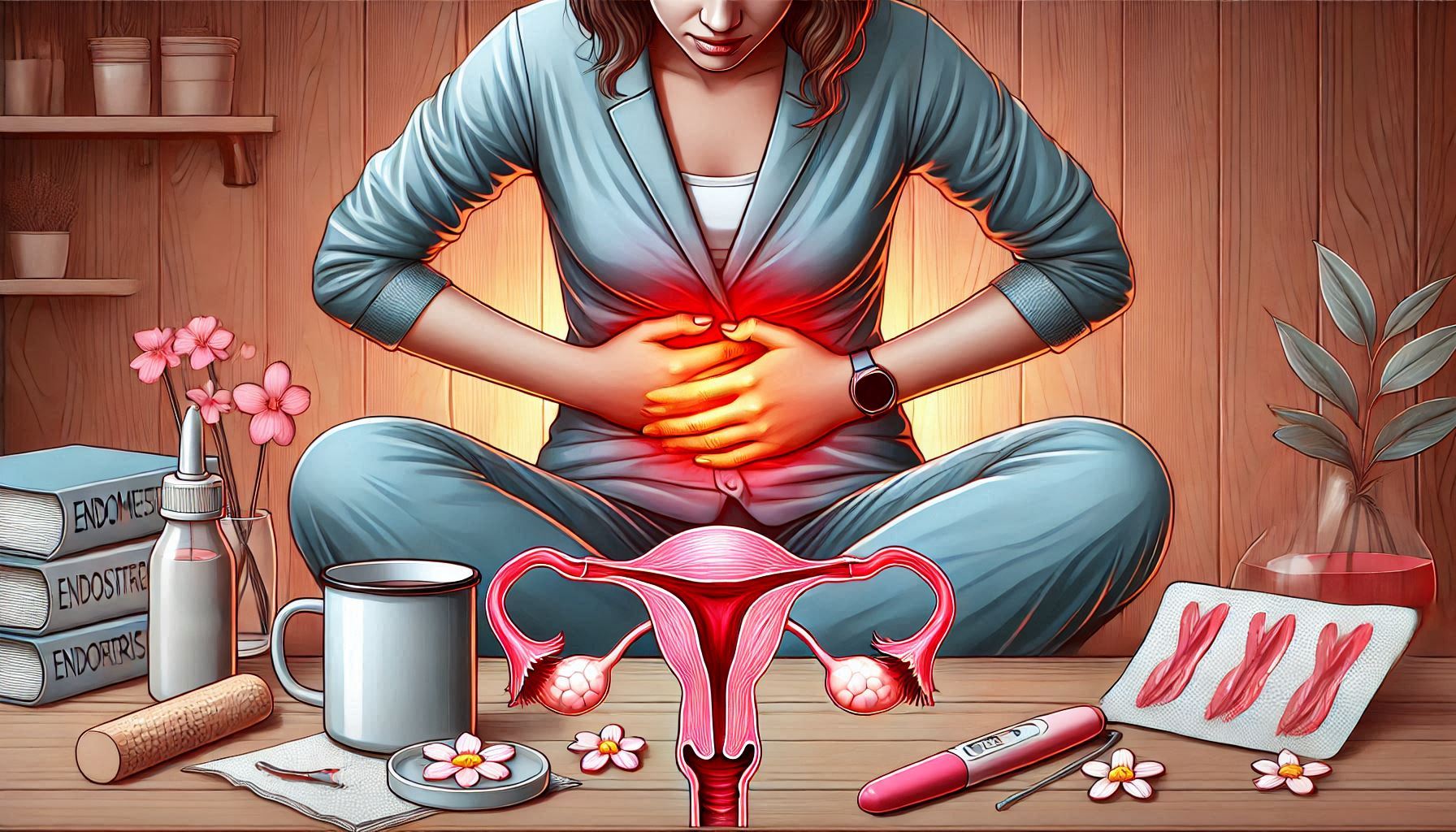
Understanding and Managing Endometriosis Pain: A Guide to Prevention and Relief
Understanding and Managing Endometriosis Pain: A Guide to Prevention and Relief Author: ItHurts.com A Comprehensive Talk on Understanding and Managing Endometriosis Pain Understanding the Basics: Endometriosis, a chronic condition affecting millions of women globally, is more than just a medical diagnosis—it’s a source of relentless, life-altering pain. Understanding the types of pain associated with endometriosis and how to address them is key to improving quality of life. In this guide, we’ll explore the intricacies of endometriosis pain, its causes, underlying reasons, and ways to manage and prevent it effectively. Description of Pain: Types and Characteristics Endometriosis pain manifests in various forms, each with unique characteristics and intensity: Pelvic Pain – Description: Persistent or intermittent ache in the lower abdomen or pelvis. – Intensity: Ranges from mild discomfort to debilitating pain. – Location: Often centered in the pelvis but may radiate to the lower back or thighs. Dysmenorrhea (Painful Periods) – Description: Severe cramps during menstruation, often more intense than typical menstrual discomfort. – Intensity: Sharp, throbbing, or burning. – Location: Primarily in the pelvic region but may extend to the back and legs. Dyspareunia (Pain During Intercourse) – Description: Pain during or after sexual activity, often deep and sharp. – Intensity: Varies based on the depth and duration of intercourse. – Location: Felt deep within the pelvis. Gastrointestinal Pain – Description: Abdominal pain resembling irritable bowel syndrome (IBS), often accompanied by bloating and constipation. – Intensity: Can range from mild to severe. – Location: Concentrated in the lower abdomen and pelvic area. Nerve Pain – Description: Sharp, shooting pains resulting from endometrial lesions pressing on nerves. – Intensity: Severe and sudden. – Location: Commonly in the pelvic region but may affect legs and lower back. Causes of Pain Endometriosis pain arises from several interconnected factors: – Endometrial Lesions: Tissue similar to the uterine lining grows outside the uterus, causing inflammation and pain. – Inflammation: Chronic inflammatory response around lesions amplifies discomfort. – Scar Tissue (Adhesions): Abnormal scar tissue binds organs, leading to restricted movement and pain. – Nerve Involvement: Lesions pressing on pelvic nerves can result in sharp, shooting pain. – Hormonal Fluctuations: Hormonal changes during menstruation exacerbate pain symptoms. Underlying Reasons for the Pain The physiological and anatomical mechanisms behind endometriosis pain include: Inflammatory Response Endometrial-like tissue releases pro-inflammatory chemicals, leading to localized swelling and pain. Cytokines and prostaglandins amplify the body’s pain signals. Nerve Compression Lesions near pelvic nerves can cause nerve compression, resulting in pain that radiates to the lower back, legs, or groin. Organ Dysfunction Scar tissue can tether organs like the bladder or bowels, causing pain during urination or bowel movements. Hormonal Sensitivity The misplaced endometrial tissue responds to menstrual cycle hormones, leading to cyclical pain and cramping. Presentation of the Pain Endometriosis pain often follows a predictable pattern but can vary widely between individuals. It may: – Worsen during menstruation or ovulation. – Occur sporadically or as a chronic, daily pain. – Flare up after physical activity, sexual intercourse, or stress. – Accompany symptoms like fatigue, nausea, or heavy menstrual bleeding. Treatment and Relief for Existing Pain Managing endometriosis pain requires a multifaceted approach. Here are actionable strategies: Lifestyle Adjustments – Dietary Changes: – Incorporate anti-inflammatory foods like fatty fish, leafy greens, and nuts. – Reduce red meat and processed foods, which may trigger inflammation. – Heat Therapy: – Use heating pads or warm baths to relax muscles and reduce pain. Exercises and Stretches – Yoga Poses: – Child’s Pose (Balasana): Eases pelvic tension. – Cat-Cow Stretch: Alleviates lower back pain. – Pelvic Floor Exercises: – Strengthen muscles to reduce dyspareunia. Self-Massage Techniques – Use gentle abdominal massage to improve blood flow and reduce inflammation: – Massage in circular motions using warm oils like lavender or chamomile. Holistic Approaches – Acupuncture: Targets pain points and reduces inflammation. – Aromatherapy: Essential oils like clary sage and lavender can help relieve stress and pain. Medical Treatments – Medication: – Non-steroidal anti-inflammatory drugs (NSAIDs) for pain relief. – Hormonal therapies (e.g., birth control pills) to suppress endometrial tissue growth. – Surgical Options: – Laparoscopy to remove endometrial lesions and scar tissue. Scientific Research on Endometriosis Pain Research underscores the complexity of endometriosis pain. A 2020 study in *The Lancet* highlighted that endometriosis affects up to 10% of women of reproductive age and is often underdiagnosed due to its diverse symptom presentation. Another study published in *Human Reproduction Update* noted that hormonal treatments, combined with lifestyle modifications, show significant promise in managing symptoms. Emerging therapies like neuromodulation and gene-based treatments are currently being explored to target pain at its source more effectively. Scientific Research on Endometriosis Pain While endometriosis cannot be cured, proactive steps can minimize its impact: Maintain Hormonal Balance – Use hormonal contraceptives under medical supervision to regulate cycles. Adopt Anti-Inflammatory Habits – Follow a Mediterranean diet rich in omega-3s and antioxidants. – Stay hydrated and avoid inflammatory triggers like caffeine and alcohol. Practice Stress Management – Use relaxation techniques like meditation, deep breathing, or mindfulness to lower stress levels, which can exacerbate pain. Ergonomic Posture – Invest in ergonomic seating and maintain good posture to reduce pelvic strain. Regular Physical Activity – Engage in low-impact exercises like swimming or pilates to improve circulation and reduce adhesions. Final Thoughts: Endometriosis pain is multifaceted, affecting physical, emotional, and social well-being. Understanding its types, causes, and underlying mechanisms empowers individuals to take control of their symptoms. From dietary changes and holistic therapies to advanced medical interventions, various strategies exist to manage and prevent pain. Take Action If you or someone you know struggles with endometriosis pain, start by consulting a healthcare professional for a personalized management plan. Small lifestyle changes and informed decisions can significantly improve quality of life. Prioritize your health—relief and a better life are within reach. ItHurts.com is your ally in your endeavor to live pain-free. We offer guidance, resources, and community support to address chronic pain, emotional stress, and physical discomfort. Discover insightful articles, product reviews, recommendations and shared experiences to empower

The Silent Ache: Mastering Daily Life with Bursitis
The Silent Ache: Mastering Daily Life with Bursitis Author: ItHurts.com A Comprehensive Talk on Mastering Daily Life with Bursitis Understanding the Basics: Living with bursitis can feel like a never-ending battle. The sharp twinge of pain in your shoulder as you reach for a cup, the persistent ache in your hip when you stand up, or the throbbing discomfort in your elbow after a long day—these are daily realities for people dealing with this often-overlooked condition. Though bursitis isn’t life-threatening, it significantly impacts quality of life, making it a silent yet relentless ache that requires careful management. Understanding Bursitis: What’s Happening in Your Body? Bursitis occurs when the small, fluid-filled sacs (called bursae) that cushion bones, tendons, and muscles near joints become inflamed. This inflammation leads to pain, stiffness, and swelling. Common sites for bursitis include: – Shoulders: Often due to repetitive overhead movements. – Elbows: A result of pressure or trauma, such as leaning on hard surfaces. – Hips: Frequent in people who run, climb, or have imbalances in posture. – Knees: Known as “housemaid’s knee,” this can be caused by prolonged kneeling. – **Heels or Ankles:** Often seen in active individuals or those with improper footwear. While bursitis is most commonly caused by repetitive motion or overuse, other factors like aging, obesity, and inflammatory conditions like rheumatoid arthritis can increase risk. Common Challenges of Living with Bursitis Mobility Issues Bursitis can restrict movement in affected joints, making it difficult to perform everyday tasks like bending, lifting, or climbing stairs. 2. Chronic Pain Persistent pain can take a toll not just physically but emotionally. Many individuals feel a sense of helplessness when flare-ups occur unpredictably. 3. Fatigue Pain and restricted mobility often lead to fatigue, as even minor tasks require extra energy. 4. Interrupted Sleep Pain during the night, especially in cases of hip or shoulder bursitis, can disrupt sleep patterns, leaving individuals feeling drained and irritable. 5. Social Isolation When simple activities like attending social gatherings or playing with grandchildren become painful, it can lead to withdrawal and a sense of isolation. Strategies for Navigating Daily Life with Bursitis The good news? With the right approach, you can manage bursitis and reclaim your day-to-day life. Here are practical tips and insights. 1. Prioritize Rest—But Don’t Overdo It Rest is essential for reducing inflammation during a flare-up, but extended inactivity can lead to muscle weakness and stiffness. Strike a balance: – Do: Rest the affected area for 1–2 days during intense pain. – Don’t: Prolong rest for weeks; gentle movement aids recovery. 2. Build a Movement-Friendly Routine Low-impact activities help maintain mobility without worsening bursitis. Incorporate exercises that strengthen supporting muscles and improve joint function: – Walking: Keeps joints moving without overloading them. – Swimming or Aquatic Therapy: Water reduces joint strain while promoting mobility. – Stretching: Gentle stretches tailored to the affected area prevent stiffness. 3. Apply the R.I.C.E. Method When bursitis flares up, the R.I.C.E. method (Rest, Ice, Compression, Elevation) is a quick and effective remedy: – Rest: Avoid movements that trigger pain. – Ice: Apply ice packs for 15–20 minutes every few hours. – Compression: Use an elastic bandage to reduce swelling. – Elevation: Keep the affected joint elevated, if possible. 4. Ergonomics Matter Reevaluate your workspace, home environment, and posture to prevent repetitive strain. Consider: – Ergonomic Chairs: Support the back and hips properly. – Adjustable Desks: Reduce shoulder and elbow strain. – Cushioned Mats: Ease knee pressure if standing for long periods. 5. Manage Pain with Care Over-the-counter options like ibuprofen or acetaminophen can reduce pain and inflammation. However, always consult your doctor if: – Pain persists despite medication. – You experience side effects like stomach upset. Natural remedies, such as turmeric or omega-3 supplements, may also help reduce inflammation. 6. Physical Therapy Physical therapists can create tailored plans to improve strength and flexibility in affected joints. Therapies may include: – Ultrasound Therapy: Stimulates healing in deep tissues. – Manual Therapy: Restores joint function. – Targeted Exercises: Focused strengthening for joint stability. 7. Address Underlying Causes If bursitis results from poor posture or repetitive strain, addressing the root cause is crucial. Small changes, like adjusting your walking gait or strengthening your core, can reduce recurrence. Mental Health and Emotional Resilience Living with bursitis isn’t just a physical challenge; it’s an emotional one. Chronic pain can lead to frustration, anxiety, and even depression. Building emotional resilience is key: 1. Talk to Someone Join a support group or online forum where others share their bursitis experiences. Knowing you’re not alone can be comforting. 2. Practice Mindfulness Meditation, yoga, or simple breathing exercises can help reduce stress and make pain more manageable. 3. Celebrate Small Wins Improvement can feel slow, but small progress—like reduced pain after stretches or a good night’s sleep—deserves celebration. When to Seek Medical Intervention If bursitis symptoms persist or worsen, it may require medical intervention. Doctors might recommend: – Corticosteroid Injections: Provide relief by reducing inflammation directly. – Aspiration: Draining excess fluid from the bursa. – Surgery: Rarely needed, but it’s an option for severe, recurring cases. Proactive Prevention: Protect Your Joints While bursitis can be managed, preventing flare-ups is even better. Adopt these habits to keep your joints healthy: – Warm-Up Before Activity: Prepare joints for movement with light stretches. – Avoid Repetitive Motion: Take breaks during activities that strain joints. – Maintain Healthy Weight: Reduces stress on weight-bearing joints. – Wear Proper Footwear: Good support can prevent hip and knee issues. Tools to Make Life Easier Adopting the right tools can significantly ease the strain of daily activities. Here are a few recommendations: – Supportive Pillows: Relieve pressure on shoulders and hips during sleep. – Compression Sleeves: Provide joint support for elbows, knees, or ankles. – Knee Pads or Cushioned Mats: Ideal for those who kneel frequently. Final Thoughts: Endometriosis is more than a physical condition; it’s an emotional a Bursitis may be a silent ache, but it doesn’t have to define your life. By understanding the condition, addressing