

mariadean

Living in the Shadow of Pain: The Impact of Endometriosis on Mental Health and Relationships
Living in the Shadow of Pain: The Impact of Endometriosis on Mental Health and Relationships Author: ItHurts.com A Comprehensive Talk on Living in the Shadow of Pain: Endometriosis Understanding the Basics: Living with endometriosis is often an invisible struggle, yet its impacts can be profoundly visible in the lives of those it touches. Affecting approximately 1 in 10 individuals assigned female at birth, endometriosis is a chronic condition where tissue similar to the lining of the uterus grows outside it, causing debilitating pain, infertility, and a host of other symptoms. But while the physical toll is significant, the emotional and relational burdens of endometriosis are often underestimated. The Mental Health Toll of Endometriosis A Cycle of Chronic Pain and Psychological Distress Living with endometriosis often means enduring relentless physical pain. Chronic pain can lead to increased levels of cortisol, the stress hormone, which in turn can heighten anxiety and lower one’s threshold for handling further stressors. For many, the physical discomfort of endometriosis is matched—or even exceeded—by the emotional weight of living with an unpredictable, often misunderstood condition. Depression and Anxiety Studies have shown that individuals with endometriosis are significantly more likely to experience depression and anxiety. This is no surprise, considering the condition often impacts one’s ability to work, maintain an active social life, and even engage in basic self-care. Pain flare-ups can be isolating, leading to feelings of loneliness and hopelessness. Furthermore, uncertainty about when symptoms might strike next can create an ongoing state of anxiety. Body Image and Self-Esteem Issues Endometriosis often affects self-esteem, particularly for those who experience infertility, bloating, or weight fluctuations as part of their symptoms. The societal pressure to maintain a certain image, combined with the emotional toll of not being able to meet cultural or personal expectations regarding fertility, can exacerbate feelings of inadequacy and low self-worth. The Hidden Grief of Endometriosis Endometriosis often brings with it a sense of loss—loss of health, normalcy, and sometimes the ability to have biological children. This grief can be ongoing, compounded by frustration over medical dismissals or delayed diagnoses, which average seven to ten years. Unprocessed grief can fuel feelings of anger, sadness, and resentment, creating a barrier to mental and emotional healing. How Endometriosis Affects Relationships Romantic Relationships Impact on Intimacy One of the most challenging aspects of endometriosis in romantic relationships is its impact on intimacy. Pain during intercourse (dyspareunia) is a common symptom, leading many individuals to avoid sexual activity altogether. This can strain even the most understanding partnerships, as feelings of rejection or guilt often arise on both sides. The Burden of Caregiving Partners of individuals with endometriosis often take on caregiving roles, which can lead to emotional burnout. They may struggle to balance their empathy for their partner’s pain with their own unmet needs for connection, intimacy, or shared activities. Communication Breakdowns If not addressed openly, endometriosis can lead to misunderstandings and resentment. A lack of education about the condition can cause some partners to underestimate its impact, dismissing symptoms as “just bad cramps.” This invalidation can erode trust and intimacy in the relationship. Platonic Relationships Social Isolation Living with chronic pain often means canceling plans or withdrawing from social activities, which can strain friendships. Over time, some individuals with endometriosis may feel misunderstood or forgotten, leading to further isolation. Emotional Burdens Friends may not always know how to support someone with a chronic illness. They might offer well-meaning but unhelpful advice or unintentionally minimize the condition, causing hurt feelings and a sense of alienation. Workplace Relationships Endometriosis can also affect professional relationships, as frequent absences or the inability to perform at full capacity may lead to misunderstandings with colleagues or employers. This can further impact one’s mental health, creating a vicious cycle. Strategies for Navigating the Emotional and Relational Impacts of Endometriosis Acknowledge the Emotional Toll Recognizing and validating the emotional impact of endometriosis is an essential first step. Therapy can be particularly beneficial in helping individuals process grief, build coping mechanisms, and develop strategies for navigating relationships. Action Tip: Consider seeking a therapist experienced in chronic illness. Cognitive-behavioral therapy (CBT) can be especially effective in addressing anxiety and depression linked to chronic pain. 2. Educate Yourself and Others Education is key to fostering understanding. Whether it’s sharing articles with loved ones or attending informational sessions together, learning about endometriosis can help bridge the gap between those living with the condition and their support networks. Action Tip: Compile a list of reputable resources about endometriosis and share it with your partner, friends, or family. Encourage them to ask questions and engage in conversations about your experience. 3. Foster Open Communication Being open about symptoms, needs, and emotions is vital in maintaining healthy relationships. In romantic partnerships, discussing how endometriosis affects intimacy can help reduce feelings of guilt or rejection. For friendships, honesty about physical and emotional limitations can prevent misunderstandings. Action Tip: Use “I” statements to express feelings without placing blame. For example, “I feel overwhelmed when my pain isn’t acknowledged” instead of “You never take my pain seriously.” 4. Set Boundaries Setting boundaries is an important form of self-care. This might mean declining invitations during flare-ups or explaining limits to what you can contribute in relationships. Healthy boundaries protect emotional energy and prevent resentment. Action Tip: Practice saying, “I can’t do that right now, but I’d love to when I’m feeling better.” This reinforces your willingness to engage while respecting your limitations. 5. Build a Support System Isolation exacerbates the challenges of living with endometriosis. Connecting with others who understand the experience, whether through local support groups or online forums, can provide validation and encouragement. Action Tip: Look for endometriosis-focused support groups on platforms like Facebook or through organizations like the Endometriosis Association. Sharing stories and tips with others in similar situations can be empowering. 6. Explore Alternative Approaches to Intimacy For couples struggling with the sexual impacts of endometriosis, exploring alternative forms of intimacy can be healing. Emotional closeness, non-sexual physical affection, and open discussions about

Through the Darkness: Personal Stories of Pain and Resilience in Depression and Chronic Pain
Through the Darkness: Personal Stories of Pain and Resilience in Depression and Chronic Pain Author: ItHurts.com A Comprehensive Talk on Depression and Chronic Pain Understanding the Basics: Living with depression is a challenge in itself, but when coupled with physical pain, it can feel like an unrelenting battle. For many, this dual burden creates a complex web of emotional and physical struggles that are hard to untangle. Yet, stories of resilience and recovery abound, offering hope and a sense of community to those who feel alone in their journey. In this article, we share deeply personal narratives from individuals living with both depression and physical pain. These stories provide unique insights into coping mechanisms, treatments, and advice for others walking a similar path. Emma’s Story: The Weight of Fibromyalgia and Depression Emma, 36, was diagnosed with fibromyalgia five years ago. The chronic pain and fatigue were debilitating, but the depression that accompanied it made life feel unbearable. > “The pain was one thing, but the feeling of worthlessness that came with not being able to work or even get out of bed some days was crushing. I felt like I was failing everyone around me.” Emma credits her turning point to finding a support group that specialized in both chronic pain and mental health challenges. > “Hearing other people’s stories made me realize I wasn’t alone. One woman shared how journaling helped her identify patterns between her emotional lows and physical flares. I started doing the same and discovered that pacing myself—not just physically but emotionally—helped tremendously.” Today, Emma uses a combination of medication, cognitive behavioral therapy (CBT), and mindfulness practices to manage her symptoms. She also emphasizes the importance of self-compassion. > “On days when I can’t do much, I remind myself it’s okay. Healing isn’t linear.” Sophia’s Battle: Arthritis and Postpartum Depression Sophia, 29, developed severe arthritis after giving birth to her first child. The physical pain made it difficult to care for her newborn, and postpartum depression compounded her struggles. > “I felt like I was failing as a mother. Every diaper change, every feeding, was a reminder of what I couldn’t do as easily as other moms.” Sophia found help through an online community of mothers dealing with chronic illnesses. > “It was such a relief to talk to other women who got it. They shared tips on baby care that didn’t aggravate my pain and reminded me that being a good mom isn’t about being perfect.” In terms of treatment, Sophia combines anti-inflammatory medications with antidepressants and prioritizes rest whenever possible. She also swears by using adaptive parenting tools like ergonomic baby carriers and voice-activated assistants to lighten her load. > “The biggest lesson I’ve learned is to ask for help and accept it. You can’t pour from an empty cup.” Liam’s Journey: Coping with a Back Injury and Depression Liam, 42, was an active runner until a severe back injury sidelined him two years ago. The chronic pain was a constant reminder of what he had lost, and the depression that followed made it hard to find joy in anything. > “I’d stare at my running shoes and feel this deep, aching sadness. Running wasn’t just exercise for me; it was my therapy.” Liam’s breakthrough came when his physical therapist recommended swimming as a low-impact alternative. Initially hesitant, he found solace in the water. > “Swimming became my meditation. It didn’t just help with the pain—it gave me something to look forward to, a new goal.” He also sought help from a therapist who introduced him to Acceptance and Commitment Therapy (ACT). > “ACT taught me that it’s okay to feel pain, both physical and emotional. Fighting it all the time just made things worse. Accepting it didn’t mean giving up; it meant learning to live alongside it.” Liam now advocates for physical activity, even in small doses, as a way to manage both depression and chronic pain. James’ Struggle: Migraines, Depression, and the Road to Recovery For James, 50, migraines were a constant in his life since his late twenties. The intense pain, coupled with the unpredictability of attacks, led to severe depression. > “There were days I just wanted to disappear. How do you plan a life when you never know if you’ll be incapacitated by pain?” James tried countless treatments, from prescription medications to dietary changes, with limited success. His turning point came when he began biofeedback therapy. > “Biofeedback taught me how to recognize and control my body’s stress responses. It didn’t cure my migraines, but it reduced their frequency and intensity. That gave me a sense of control I hadn’t felt in years.” James also found solace in volunteering, which helped him shift his focus outward. > “Helping others gave me a purpose. It reminded me that pain doesn’t have to define me.” Today, James uses a combination of therapies, including biofeedback, meditation, and regular exercise, to manage his symptoms. Lessons from These Stories These personal narratives highlight the complex interplay between physical pain and depression. While each journey is unique, several common themes emerge: – The Importance of Support: Whether it’s a support group, a therapist, or an online community, connecting with others can be a powerful source of healing. – Finding the Right Treatment: There’s no one-size-fits-all solution. It often takes time and experimentation to find the right combination of treatments. – Self-Compassion Matters: Accepting your limitations and treating yourself with kindness is crucial for both physical and emotional recovery. – Purpose Can Heal: Engaging in meaningful activities, whether through work, hobbies, or volunteering, can provide a sense of control and fulfillment. Advice for Readers If you’re struggling with both physical pain and depression, remember these key takeaways: Seek Help Early: Don’t wait to reach out to a healthcare professional. The sooner you address your symptoms, the better your chances of managing them effectively. Build Your Toolbox: Experiment with different treatments and coping mechanisms. What works for someone else may not work for you, and that’s
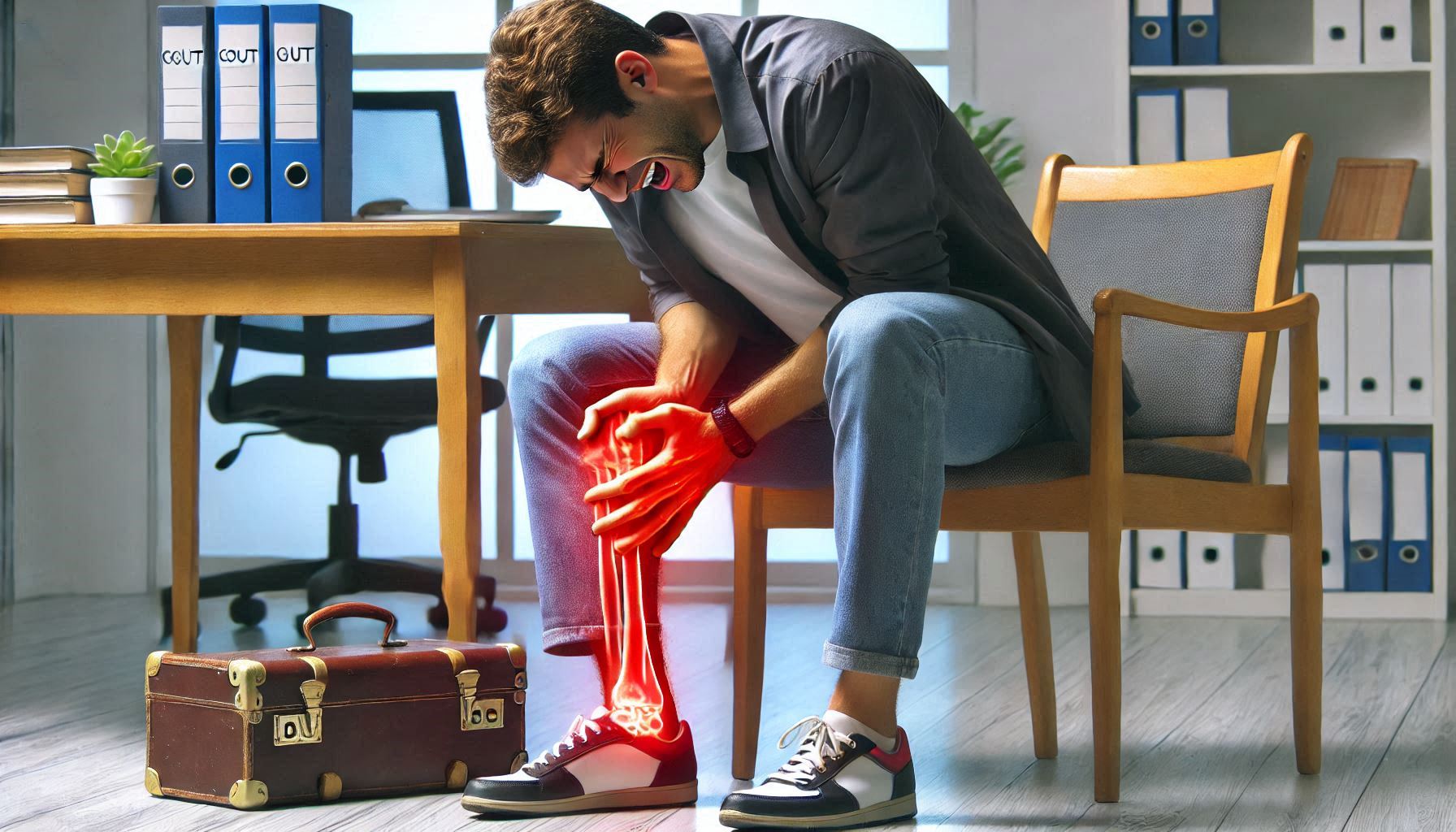
The Gout-Friendly Kitchen: Recipes and Foods to Soothe Symptoms
The Gout-Friendly Kitchen: Recipes and Foods to Soothe Symptoms Author: ItHurts.com A Comprehensive Talk on Gout-Friendly Kitchen Understanding the Basics: Living with gout can be a painful and challenging experience. The condition, caused by an accumulation of uric acid crystals in the joints, often demands significant lifestyle and dietary changes. However, managing gout doesn’t have to mean bland or boring meals. In fact, with the right ingredients and a bit of creativity, your kitchen can become a haven for delicious, anti-inflammatory dishes that not only taste great but also support your health. The Role of Diet in Gout Management Before we delve into recipes, it’s important to understand the connection between diet and gout. Uric acid, the culprit behind gout, is a byproduct of purines — compounds found in certain foods. High-purine foods like red meat, organ meats, shellfish, and alcohol can trigger gout attacks, while low-purine and anti-inflammatory foods may help reduce symptoms and prevent flare-ups. Here’s a quick breakdown of foods to focus on and those to avoid: Foods to Include – Low-purine options: Vegetables (except high-purine ones like asparagus, spinach, and mushrooms), whole grains, and low-fat dairy. – Anti-inflammatory foods: Berries, cherries, turmeric, and fatty fish like salmon (moderate amounts). – Hydrating choices: Water-rich fruits like watermelon and cucumber. – Alkalizing foods: Citrus fruits and leafy greens help reduce acidity. Foods to Avoid – High-purine meats (beef, pork, lamb). – Organ meats and shellfish. – Alcohol, particularly beer. – Sugary beverages and processed snacks. Expert Tips for a Gout-Friendly Kitchen We reached out to dietitian Rachel Hunter, RD, and Chef Marcus Lee, who specializes in therapeutic diets, for their tips on managing gout through food. Rachel’s Advice “Hydration is key. Drink plenty of water throughout the day to help flush out uric acid. Also, focus on foods that are naturally rich in Vitamin C, as it can help lower uric acid levels. Think oranges, kiwis, and strawberries.” Chef Marcus’s Tip “Flavor doesn’t have to come from meat. Spices like turmeric, ginger, and cinnamon have anti-inflammatory properties and can make your dishes exciting. Fresh herbs like basil and cilantro are also great flavor boosters.” Quinoa and Roasted Vegetable Salad Quinoa is a fantastic low-purine grain, and roasted vegetables bring in flavor and nutrients. Ingredients: – 1 cup cooked quinoa – 1 cup diced zucchini – 1 cup diced bell peppers – 1/2 cup cherry tomatoes – 2 tablespoons olive oil – 1 teaspoon turmeric – Juice of 1 lemon – Salt and pepper to taste Instructions: Preheat oven to 400°F (200°C). Toss vegetables with olive oil, turmeric, salt, and pepper. Spread on a baking sheet. Roast for 20 minutes or until tender. Combine roasted vegetables with quinoa. Drizzle with lemon juice and mix well. Why it’s great: This dish is easy to prepare, nutrient-rich, and deliciously satisfying. Gout-Friendly Recipes You’ll Love Here are four simple yet flavorful recipes tailored for a gout-friendly diet. 1. Cherry-Almond Smoothie Cherries are known for their ability to reduce uric acid and inflammation, making them a staple for gout sufferers. Ingredients: – 1 cup frozen cherries – 1 banana – 1/2 cup almond milk (unsweetened) – 1 tablespoon almond butter – 1 teaspoon ground flaxseed Instructions: Combine all ingredients in a blender. Blend until smooth. Serve immediately and enjoy! Why it’s great: This smoothie is not only refreshing but also packed with anti-inflammatory properties from cherries and flaxseed. Berry-Chia Pudding This dessert is perfect for satisfying your sweet tooth without triggering gout symptoms. Ingredients: – 1/2 cup unsweetened almond milk – 2 tablespoons chia seeds – 1/2 cup mixed berries (blueberries, raspberries, strawberries) – 1 teaspoon honey (optional) Instructions: Mix almond milk and chia seeds in a bowl. Let sit for 10 minutes, stirring occasionally, until thickened. Top with mixed berries and a drizzle of honey if desired. Serve chilled. Why it’s great: Berries are anti-inflammatory powerhouses, and chia seeds add fiber and omega-3s to this guilt-free treat. Salmon with Lemon-Dill Sauce Rich in omega-3 fatty acids, salmon (in moderation) is a good protein option for those with gout. Ingredients: – 2 salmon fillets – Juice of 1 lemon – 1 tablespoon olive oil – 2 tablespoons fresh dill, chopped – 1 garlic clove, minced – Salt and pepper to taste Instructions: Preheat oven to 375°F (190°C). Place salmon on a baking sheet. Drizzle with olive oil and lemon juice. Sprinkle dill, garlic, salt, and pepper over the fillets. Bake for 15-20 minutes or until salmon is cooked through. Why it’s great: The omega-3s in salmon help reduce inflammation, while the lemon-dill sauce adds brightness and flavor. Building a Weekly Gout-Friendly Meal Plan Consistency is crucial in managing gout through diet. Here’s a sample one-day meal plan: Breakfast: Cherry-Almond Smoothie Snack: Handful of walnuts and an orange Lunch: Quinoa and Roasted Vegetable Salad Snack: Cucumber sticks with hummus Dinner: Salmon with Lemon-Dill Sauce and a side of steamed broccoli Dessert: Berry-Chia Pudding This plan focuses on low-purine, nutrient-rich foods that can help reduce inflammation and support overall health. Interactive Features for a Better Experience To make this guide even more helpful, consider: – Dietitian Consultations: Access tips from registered dietitians through virtual Q&A sessions. – Chef-Led Cooking Classes: Learn how to make these recipes step-by-step with an expert chef. – Recipe Customization Tool: Input your preferences and restrictions to generate personalized gout-friendly recipes. Final Thoughts: Managing gout symptoms doesn’t have to mean giving up on flavorful meals. By focusing on low-purine, anti-inflammatory ingredients, and experimenting with recipes like the ones in this guide, you can create a diet that not only helps alleviate symptoms but also brings joy back into your kitchen. Start with one of the recipes above and share your creations with friends or family. Together, you can embrace a healthier lifestyle that’s as delicious as it is beneficial. Call to Action Have a favorite gout-friendly recipe or ingredient? Share your ideas in the comments below! For more expert tips and personalized support, join our [Gout-Friendly Living

Through the Fire: Personal Stories of Resilience and Hope with Rheumatoid Arthritis
Through the Fire: Personal Stories of Resilience and Hope with Rheumatoid Arthritis Author: ItHurts.com A Comprehensive Talk on Rheumatoid Arthritis Understanding the Basics: Rheumatoid Arthritis (RA) is more than a diagnosis—it’s a daily battle. This autoimmune disease, which inflames joints and often leads to pain, fatigue, and mobility challenges, affects over 1.3 million Americans. While medical definitions provide insight into its symptoms and progression, the true heart of RA lies in the personal experiences of those who live with it. What is Rheumatoid Arthritis? A Brief Overview RA is a chronic condition where the immune system mistakenly attacks the body’s tissues, causing joint inflammation. Over time, this inflammation can lead to joint damage, deformity, and disability. It’s unpredictable; flares come and go, making it difficult for people to plan their days. While medication, physical therapy, and lifestyle adjustments can help manage symptoms, RA is unique to each person. The severity, progression, and treatments vary widely, making personal stories invaluable in understanding its full impact. Emma’s Story: Learning to Redefine Strength At 34, Emma had a thriving career in interior design. Her world changed when she woke up one morning unable to grip her coffee mug. “I brushed it off, thinking I’d slept funny,” she recalls. But within weeks, the pain spread to her wrists, knees, and ankles. After months of testing, Emma was diagnosed with RA. “At first, I resisted. I thought I could just push through,” she admits. But the pain and stiffness worsened. Emma had to cut back on work and take a break from running—her favorite hobby. Eventually, she found strength in vulnerability. “I had to accept that asking for help isn’t weakness. It’s strength. It’s smart.” Emma started delegating at work and leaned on friends for support. Medication and yoga have helped her regain some mobility. “My life isn’t what it was, but it’s still beautiful. I’ve found strength in places I never expected—in my mind, my heart, and my community.” James’ Journey: From Isolation to Advocacy James, 62, describes his first year with RA as “a storm I didn’t see coming.” Diagnosed in his late 50s, James had already been looking forward to an active retirement of hiking and traveling with his wife. “RA took the wind out of my sails,” he says. Joint pain and fatigue kept him from his beloved trails, and depression set in. “I felt like I’d lost myself.” What changed for James was connecting with others. Through an online RA support group, he met people who understood his struggles. “Hearing their stories made me feel less alone. It reminded me I wasn’t the only one going through this.” Today, James is an advocate, volunteering with a local arthritis foundation to raise awareness. “RA is tough, but community is tougher,” he says. He’s also adjusted his hobbies to include less strenuous activities like birdwatching and photography. “Life may not be what I expected, but it’s still full of joy.” Sophia’s Battle: Motherhood and RA For Sophia, 29, balancing RA and motherhood has been a tightrope walk. Diagnosed at 25, just a year after her wedding, she had her first child two years later. “Pregnancy actually gave me a break,” she shares. Hormonal changes often reduce RA symptoms during pregnancy, but they returned with a vengeance after her daughter was born. “There were days I couldn’t even lift her.” Sophia has learned to adapt. She uses ergonomic tools to make tasks like cooking easier and leans on her husband and extended family for childcare. “It’s hard to admit you can’t do it all, but it’s necessary.” Her biggest motivator? “My daughter. I want her to see that even when life throws challenges at you, you keep going. You find joy.” Coping Mechanisms: Lessons from Those Who’ve Been There Each of these stories reflects not only the challenges of RA but the coping mechanisms that have helped these individuals thrive. Here are key takeaways from their journeys: 1. Building a Support System Whether it’s family, friends, or online communities, support is crucial. Talking to people who understand can make a world of difference. 2. Learning to Adapt From using assistive devices to modifying hobbies, adapting to new realities is key. It’s not about giving up but finding new ways to enjoy life. 3. Staying Active, When Possible Physical activity, tailored to one’s abilities, can reduce stiffness and improve mental health. Yoga, swimming, and walking are popular choices. 4. Advocating for Yourself Effective RA management requires open communication with doctors and a willingness to try different treatments. It’s important to advocate for what works for you. 5. Finding Joy in the Small Things RA can make the big moments harder, but small joys—like a good book, a favorite meal, or a beautiful sunset—can be just as fulfilling. The Emotional Toll: Acknowledging the Struggle Living with RA isn’t just about managing physical symptoms; it’s also about coping with emotional challenges. The unpredictability of flares can lead to frustration, anxiety, and depression. Many people with RA mourn the loss of their “old self” and face societal stigma for an invisible illness. “I used to feel guilty for canceling plans or using a mobility aid,” Emma shares. “But I’ve learned to let that go. My health comes first.” Acknowledging and addressing these emotions is critical. Therapy, journaling, and mindfulness practices have been lifesavers for many. Looking Ahead: Hope for the Future While RA has no cure, advancements in treatment are promising. Biologic medications, targeted therapies, and research into the causes of RA offer hope for better management and, one day, a cure. For James, staying informed gives him optimism. “Knowing that researchers are working tirelessly keeps me going. Every day is a step closer to something better.” Final Thoughts: The journey with RA is as unique as the individuals who live it. These stories of Emma, James, and Sophia highlight that while the path is often challenging, it’s also one of resilience, adaptation, and hope. For anyone facing RA, remember:

Conquering CRPS: Exploring Conventional and Alternative Treatment Options for Pain Relief
Conquering CRPS: Exploring Conventional and Alternative Treatment Options for Pain Relief Author: ItHurts.com A Comprehensive Talk on Conquering CRPS Understanding the Basics: Complex Regional Pain Syndrome (CRPS) is a chronic pain condition that usually affects an arm or leg after an injury, surgery, or other trauma. Characterized by severe pain, swelling, changes in skin temperature and color, and reduced mobility, CRPS can be debilitating. While its exact cause is not fully understood, medical advancements and holistic therapies offer a variety of treatment options to manage symptoms and improve quality of life. Understanding CRPS: Why Treatment Matters CRPS is divided into two types: – CRPS-I : Occurs without confirmed nerve damage. – CRPS-II : Associated with clear nerve damage. Early diagnosis and intervention are critical to prevent the condition from worsening. Treatment strategies are often multidisciplinary, requiring a combination of conventional medical approaches and complementary therapies. Conventional Treatment Options Medications Medications are often the first line of treatment to alleviate pain and inflammation. Common options include: a. Pain Relievers – Over-the-Counter (OTC) Options: NSAIDs like ibuprofen and naproxen help reduce inflammation and pain. They are most effective in the early stages of CRPS. – Prescription Painkillers: Opioids may be prescribed for severe cases but are typically used with caution due to risks of dependency. b. Neuropathic Pain Medications – Antidepressants: Medications like amitriptyline or duloxetine are used to manage chronic nerve pain. – Anticonvulsants : Gabapentin and pregabalin are effective in calming overactive nerves. c. Corticosteroids Steroids like prednisone are used to control inflammation and swelling, particularly in the early stages of CRPS. d. Topical Analgesics Capsaicin cream and lidocaine patches can provide localized pain relief without systemic side effects. e. Bisphosphonates Medications like alendronate are occasionally prescribed to reduce bone-related pain in CRPS patients. Physical Therapy Rehabilitation through physical therapy is a cornerstone of CRPS treatment. Movement helps prevent stiffness, muscle wasting, and further loss of function. Techniques include: – Range-of-Motion Exercises: Encourage joint flexibility and mobility. – Desensitization Therapy: Gradual exposure to touch and pressure to decrease hypersensitivity. – Mirror Therapy: Uses visual feedback to “trick” the brain into perceiving normal movement, reducing pain perception. Nerve Blocks Nerve blocks involve injecting anesthetics near the affected nerves to interrupt pain signals. These procedures can provide temporary relief and are often combined with physical therapy for longer-term benefits. Sympathetic Nerve Blocks This technique targets the sympathetic nervous system, which may play a role in CRPS pain. Relief varies but can be significant for some patients. Spinal Cord Stimulation (SCS) For patients with severe, treatment-resistant CRPS, spinal cord stimulation offers a more advanced option. A device implanted under the skin delivers mild electrical pulses to the spinal cord, disrupting pain signals before they reach the brain. While not a cure, SCS can significantly improve quality of life. Other Innovative Treatments Emerging therapies are providing hope for CRPS patients, including: – Intrathecal Drug Pumps: Deliver pain-relieving medication directly to the spinal fluid. – Ketamine Infusions: Administered under medical supervision, ketamine can reset pain pathways in the brain. – Hyperbaric Oxygen Therapy: Involves breathing pure oxygen in a pressurized chamber to promote healing and reduce inflammation. Complementary and Alternative Therapies Alongside conventional treatments, many patients turn to complementary and alternative therapies to manage symptoms holistically. 1. Acupuncture Acupuncture involves inserting fine needles into specific points on the body to promote energy flow and alleviate pain. Some studies suggest it can reduce CRPS pain by modulating nerve activity and releasing endorphins. 2. Biofeedback Biofeedback uses electronic devices to help patients control physiological functions such as heart rate, muscle tension, and skin temperature. By becoming more aware of these processes, patients may reduce stress and manage CRPS symptoms more effectively. 3. Herbal Supplements Certain herbal remedies are believed to have anti-inflammatory and pain-relieving properties. Popular options include: – Turmeric (Curcumin) : Known for its anti-inflammatory effects. – Boswellia (Frankincense): May reduce joint pain and swelling. – Capsaicin: Often used in creams but also available in supplement form. Always consult a healthcare provider before starting supplements, as they can interact with medications. 4. Mind-Body Therapies Chronic pain often impacts mental health, making mind-body approaches essential. Techniques include: – Meditation and Mindfulness : Can help patients cope with pain by improving focus and reducing stress. – Yoga: Combines gentle movements with breathing exercises to improve flexibility and promote relaxation. – Cognitive Behavioral Therapy (CBT): Focuses on altering negative thought patterns related to pain. 5. Chiropractic Care Some CRPS patients find relief through chiropractic adjustments, which aim to improve spinal alignment and reduce nerve irritation. However, evidence for its effectiveness in CRPS remains limited. 6. Dietary Modifications Dietary changes can support overall health and potentially reduce inflammation. A diet rich in omega-3 fatty acids, antioxidants, and whole foods may improve outcomes. Reducing sugar and processed food intake can also help manage systemic inflammation. Personalized Treatment Plans: Combining Therapies CRPS treatment is not one-size-fits-all. Patients often benefit most from a multidisciplinary approach tailored to their unique needs. For example: – Combining physical therapy with nerve blocks may accelerate recovery. – Pairing SCS with mindfulness techniques can address both physical and emotional aspects of pain. – Incorporating acupuncture and dietary changes alongside medications can create a synergistic effect. When to seek help! If you suspect CRPS or experience severe, unexplained pain after an injury or surgery, consult a healthcare provider promptly. Early intervention significantly improves treatment outcomes. When to Seek Help Despite advancements, CRPS remains a challenging condition to treat. Research is ongoing to better understand its mechanisms and develop more targeted therapies. The integration of traditional medicine with holistic approaches offers hope for comprehensive pain management. Final Thoughts: Managing CRPS is a journey that requires patience, resilience, and a proactive approach to treatment. By exploring a combination of conventional, complementary, and alternative therapies, many patients find meaningful relief and regain control of their lives. If you or a loved one is navigating CRPS, remember that you are not alone. Consult your healthcare team, educate yourself about available options,

The Tech Neck Generation: Fighting Back Against Pain in the Digital Age
The Tech Neck Generation: Fighting Back Against Pain in the Digital Age Author: ItHurts.com A Comprehensive Talk on Fighting Back Against Neck Pain Understanding the Basics: In today’s digitally dominated world, neck pain has become a common complaint among people of all ages. Whether it’s hours spent hunched over laptops, binge-watching shows on tablets, or endless scrolling on smartphones, the modern lifestyle is taking a toll on our necks. Enter the term “Tech Neck,” a phenomenon that has become a hallmark of the digital age. But what exactly is Tech Neck? Why has it become so pervasive? Most importantly, how can we combat it while still enjoying the conveniences of our tech-driven lives? Let’s dive into this growing issue and explore actionable solutions to reclaim a pain-free neck in the digital era. Understanding Tech Neck Tech Neck refers to the strain, discomfort, or pain experienced in the neck and upper shoulders due to prolonged periods of looking down at digital devices. The human head weighs about 10-12 pounds, and when the neck is tilted forward by just 15 degrees, it adds approximately 27 pounds of force on the cervical spine. As the angle increases, so does the strain, with a 60-degree tilt exerting nearly 60 pounds of pressure. This unnatural posture wreaks havoc on the neck’s soft tissues, muscles, and joints, causing symptoms such as: Chronic stiffness and pain in the neck and shoulders Headaches triggered by muscle tension Reduced mobility in the neck Upper back pain from compensatory posture Tingling or numbness in the arms and fingers in severe cases While Tech Neck isn’t a new concept, its prevalence has skyrocketed with the rise of smartphones, laptops, and tablets. It’s not just adults either—kids and teens, who spend hours gaming or on social media, are increasingly affected. Why is Tech Neck a Growing Problem? Increased Screen Time The average person spends about 7 hours daily in front of a screen, whether working, streaming content, or communicating with loved ones. This extended screen time often involves poor posture, exacerbating neck strain. Remote Work and Online Learning The COVID-19 pandemic accelerated the shift to remote work and online education. Dining tables, couches, and beds doubled as makeshift workspaces, promoting poor ergonomic practices. The Addiction to Mobile Devices Smartphones are an integral part of modern life. According to recent statistics, the average user checks their phone over 260 times a day, often holding it at chest or waist level—forcing the neck into a downward tilt. Cultural Norms Slouching over devices has become so normalized that many don’t even notice their poor posture. Social media trends, gaming marathons, and binge-watching sessions glorify long hours of tech use, sidelining its physical repercussions. The Long-Term Effects of Tech Neck Without intervention, Tech Neck can lead to long-term issues, such as: Chronic pain: Persistent neck pain can become a daily struggle. Disc degeneration: Excess strain on the cervical spine increases the risk of disc herniation or early degeneration. Postural deformities: Over time, Tech Neck can lead to a hunched or rounded back, altering your posture permanently. Mental health impact: Chronic pain can contribute to stress, anxiety, and reduced quality of life. Combatting Tech Neck: Strategies for Prevention and Relief 1. Adopt Proper Posture Maintaining good posture is the cornerstone of combating Tech Neck. Follow these tips: Align your head: Keep your ears in line with your shoulders and your chin parallel to the floor. Straighten your back: Avoid slouching or leaning forward. Elevate your devices: Raise screens to eye level to minimize downward tilt. 2. Set Up an Ergonomic Workspace An ergonomic workstation can significantly reduce neck strain: Chair: Use a chair with good lumbar support and keep your feet flat on the ground. Monitor: Position your monitor at or slightly below eye level. Keyboard and mouse: Place them within easy reach, keeping your elbows at a 90-degree angle. 3. Take Frequent Breaks Combat the effects of prolonged device use by incorporating breaks into your routine: Follow the 20-20-20 rule: Every 20 minutes, look at something 20 feet away for 20 seconds. Stretch your neck and shoulders every hour to relieve tension. 4. Strengthen Neck and Back Muscles Regular exercise can improve posture and prevent Tech Neck. Focus on: Stretching exercises: Incorporate neck tilts, shoulder rolls, and chin tucks. Strength-building exercises: Strengthen core, back, and neck muscles with planks, resistance bands, and yoga. 5. Limit Screen Time Reducing unnecessary screen time can have profound benefits: Set daily limits on non-essential device use. Opt for screen-free hobbies like reading physical books or walking. 6. Use Pain-Relief Tools If you’re already experiencing pain, consider these options: Heat therapy: Use a heating pad to relax tense muscles. Foam rollers or massage balls: Target tight areas for relief. Pain relief patches or creams: Offer temporary relief for sore spots. 7. Seek Professional Help For persistent or severe symptoms, consult a healthcare provider: Physical therapy: A therapist can design a personalized exercise plan to improve posture and reduce pain. Chiropractic care: Spinal adjustments may provide relief for some individuals. Postural training: Programs like Alexander Technique can help retrain your body to maintain healthy posture. Tech Tools for Tackling Tech Neck Ironically, technology itself can help mitigate Tech Neck. Here are some innovative solutions: Posture Correctors: Wearable devices like smart braces gently remind you to maintain good posture. Ergonomic Accessories: Laptop stands, adjustable desks, and vertical mice promote healthier work habits. Apps and Timers: Apps like “Posture Reminder” or “Stretchly” can nudge you to take breaks and correct your posture. Creating a Tech Neck-Friendly Future The good news is that Tech Neck is preventable and manageable with the right lifestyle changes. By being mindful of posture, prioritizing ergonomics, and setting boundaries with technology, you can enjoy the perks of the digital age without compromising your health. For parents, it’s equally important to instill healthy tech habits in children. Encourage regular physical activity, limit screen time, and model good posture to help them avoid Tech Neck from a young age. Final Thoughts: