
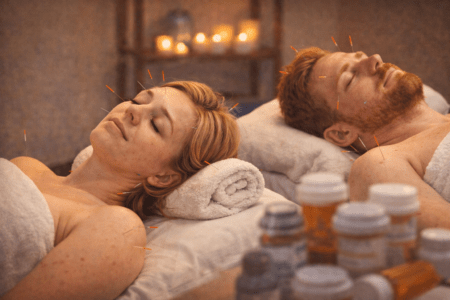
ItHurts Ouch Files: Acupuncture Edition Acupuncture: When Tiny Needles Do What Your Entire Medicine Cabinet Couldn’t Acupuncture is a traditional therapy that uses thin needles to stimulate specific points in the body. Many people use it to help manage pain, improve circulation, and support the body’s natural healing processes. Acupuncture is a practice that has been used for centuries to help manage pain and promote healing. By inserting very thin needles at specific points on the body, practitioners aim to stimulate nerves, muscles, and connective tissue. For many people dealing with chronic pain, muscle tension, or stress-related discomfort, acupuncture can complement other treatments and support the body’s recovery process. 3 Practical Tips for Getting the Most From Acupuncture 🪡 Commit to Multiple Sessions Acupuncture often works best when done consistently over several sessions. Scheduling treatments regularly allows the body to respond gradually and build longer-lasting improvements in pain and tension. 💧 Stay Hydrated After Treatment Drinking water after acupuncture sessions may help support circulation and recovery. Staying hydrated can also reduce post-session soreness and support the body’s natural healing response. 🚶 Combine Acupuncture With Gentle Habits Pairing acupuncture with supportive habits such as light stretching, walking, or relaxation techniques may help extend the benefits and improve overall pain management. The Honest Reality Acupuncture may not provide immediate results for everyone, but many people experience gradual improvements in pain, relaxation, and overall well-being. When used alongside medical care and healthy habits, it can be a valuable part of a pain management strategy. If it Hurts we can help. If pain has taken over your sleep, your mood, or your search history, come find your people. Join the ItHurts Community Disclaimer: Enjoy the “Ouch Files” for the laughs and the lessons, but treat us like a supportive friend rather than a diagnostic tool. We aren’t doctors, and this content is not medical advice. Always consult a qualified healthcare professional before beginning any new medical treatment or therapy.
 Written by Karrie