
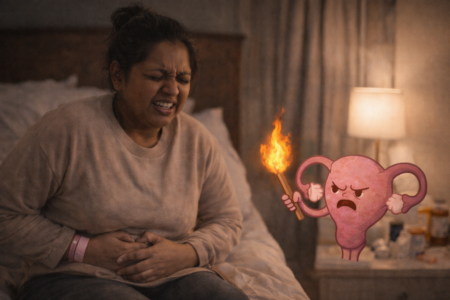
ItHurts Ouch Files: Endometrial Cancer Pain Edition When Your Uterus Goes Rogue: A Darkly Funny Survival Guide to Endometrial Cancer Pain Endometrial cancer–related pain can involve pelvic discomfort, cramping, inflammation, and fatigue, often influenced by both the condition and its treatments. It affects physical comfort, emotional well-being, and daily functioning. Endometrial cancer pain doesn’t arrive quietly. It can feel sudden, overwhelming, and deeply disruptive—affecting not just your body, but your routine, energy, and emotional state. If you’re feeling exhausted, confused, or frustrated, you’re not alone—and you’re not overreacting. Pain is your body’s signal that something needs attention. This isn’t something to ignore or endure silently. It’s something to understand, manage, and approach with the right support. 3 Practical Ways to Manage the Pain 🩸 Track and Communicate Your Pain Monitor when pain occurs, how it feels, and what triggers it. Clear communication with healthcare providers can lead to better care and treatment decisions. 🔥 Reduce Inflammation and Support Your Body Focus on anti-inflammatory nutrition, gentle movement, and safe heat therapy to help reduce discomfort and improve overall well-being. 🧠 Support Your Nervous System Use breathing techniques, relaxation practices, and emotional support systems to reduce stress and help manage pain more effectively. The Recovery Reality Pain during serious conditions like this is real, complex, and deserving of attention. You are not weak for feeling it, and you are not alone in navigating it. With the right support—medical, emotional, and community-based—you can manage this more effectively and regain a sense of control. If it Hurts we can help. Join a supportive community where people share real experiences, guidance, and encouragement while navigating pain and recovery. Join the ItHurts Community Disclaimer: Enjoy the “Ouch Files” for the laughs and the lessons, but treat us like a supportive friend rather than a diagnostic tool. We aren’t doctors, and this content is not medical advice. Always consult a qualified healthcare professional for diagnosis and treatment of persistent symptoms.
 Written by Karrie