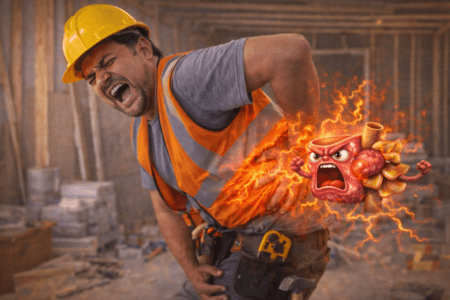
ItHurts Ouch Files: Herniated Disc Edition Your Spine Threw a Coup: A Survival Guide for When a Herniated Disc Ruins Your Personality A herniated disc can cause back pain, nerve pressure, and uncomfortable symptoms that affect everyday movement. The good news is that many people improve with supportive care and proper recovery strategies. A herniated disc occurs when one of the cushioning discs between the bones of the spine pushes outward and presses on nearby nerves. This pressure can cause back pain, neck pain, numbness, or tingling that may travel into the arms or legs. The condition can develop after lifting injuries, sudden twisting movements, or long-term strain on the spine. With proper care, supportive movement, and professional guidance, many people recover and regain mobility. 3 Practical Tips That May Help Manage Herniated Disc Pain 🧘 Relax the Body with Slow Breathing Pain often causes muscles around the spine to tighten, which increases pressure on the injured disc. Practicing slow breathing—inhale for 4 seconds and exhale for 6 seconds—can help relax surrounding muscles and reduce tension. 🪑 Maintain Neutral Posture Balanced posture helps distribute pressure across the spine. Sit with feet flat on the floor, keep hips slightly higher than knees, and change positions every 20–30 minutes to reduce spinal stress. 💪 Strengthen Supporting Muscles Carefully Gentle strengthening exercises such as glute bridges, light core work, and low-impact movement can help stabilize the spine. Always avoid exercises that trigger sharp or worsening pain. Recovery often improves when movement, posture, and supportive care work together to protect the injured disc. If it Hurts we can help. If pain has taken over your sleep, your mood, or your search history, come find your people. Join the ItHurts Community Disclaimer: Enjoy the “Ouch Files” for the laughs and the lessons, but treat us like a witty friend rather than a diagnostic tool. We aren’t doctors, and this content is not medical advice. Herniated discs can require professional evaluation and treatment. If you experience severe pain, weakness, numbness, or worsening symptoms, consult a qualified healthcare professional.
 Written by Karrie