
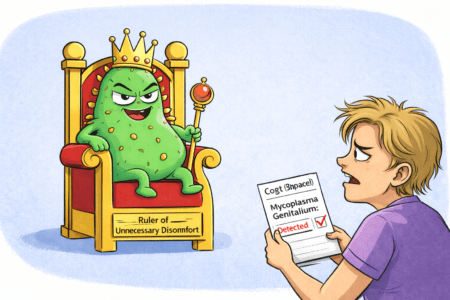
ItHurts Ouch Files: Mycoplasma Genitalium Edition Mycoplasma Genitalium: The STI So Petty It Refuses to Leave Mycoplasma genitalium is a bacterial infection that can cause persistent irritation, pelvic pain, and urinary discomfort. Because it can be difficult to detect and treat, early testing and proper treatment are important for recovery. Mycoplasma genitalium is a sexually transmitted bacterial infection that can cause symptoms such as burning during urination, pelvic discomfort, genital irritation, and pain during intercourse. In some cases, symptoms may persist or return if the infection is not properly diagnosed or treated. Because this bacterium can be resistant to certain antibiotics, accurate testing and proper treatment are essential for symptom relief and recovery. 3 Practical Tips for Managing Mycoplasma Genitalium Symptoms 🧪 Ask for the Correct Diagnostic Test If symptoms continue or return after treatment, ask your healthcare provider about specific testing for Mycoplasma genitalium using NAAT testing. Accurate diagnosis can help guide the most effective treatment. 💊 Follow Treatment Exactly as Prescribed Complete the full course of prescribed medication, even if symptoms improve early. Stopping treatment too soon can allow the infection to persist and increase antibiotic resistance. 🛑 Support Healing During Treatment Avoid sexual activity until treatment is completed and follow-up testing is recommended. Staying hydrated, managing stress, and allowing your body time to recover can help reduce inflammation and discomfort. The Honest Reality Mycoplasma genitalium infections can be frustrating because symptoms may persist or return without proper diagnosis. However, with accurate testing, appropriate treatment, and medical guidance, most people can successfully manage symptoms and recover. If it Hurts we can help. If pain, irritation, or health concerns have taken over your search history, come find your people. Join the ItHurts Community Disclaimer: Enjoy the “Ouch Files” for the laughs and the lessons, but treat us like a supportive friend rather than a diagnostic tool. We aren’t doctors, and this content is not medical advice. Mycoplasma genitalium requires diagnosis and treatment by a qualified healthcare professional.
 Written by Karrie