
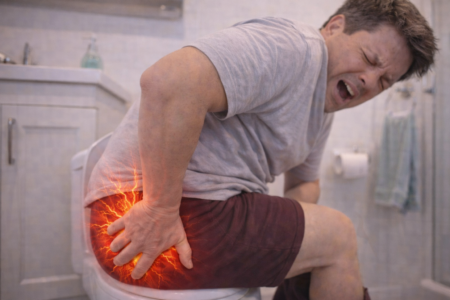
When Your Butt Hits the Panic Button at 2 A.M.: A Survival Guide to Proctalgia Fugax Proctalgia fugax is a condition that causes sudden, intense pain in the rectal area. The pain often occurs without warning, frequently during the night, and usually lasts for a short period before disappearing. The discomfort is typically caused by brief spasms of the pelvic floor muscles surrounding the rectum. While the episodes can be alarming, they are usually temporary and not dangerous. Understanding triggers and learning simple relaxation strategies can help reduce the intensity and frequency of episodes. 3 Practical Ways to Help Manage Proctalgia Fugax Episodes 🔥 Tip #1: Relax the Pelvic Floor Muscles Episodes are often linked to sudden muscle spasms in the pelvic floor. Helpful strategies include: • Taking slow, deep belly breaths (inhale through the nose for 4 seconds, exhale for 6 seconds) • Gently contracting and relaxing pelvic muscles to release tension Relaxation techniques can help signal the nervous system that the body is safe, allowing muscles to calm down. 🛁 Tip #2: Apply Gentle Heat Warmth can help relax tight muscles and improve circulation. Helpful options include: • Sitting on a warm heating pad • Taking a warm bath during or after an episode Heat helps reduce muscle tension and may shorten the duration of the spasm. 🧘 Tip #3: Address Common Triggers Proctalgia fugax may be associated with stress, constipation, or prolonged sitting. Helpful lifestyle strategies include: • Staying well hydrated • Avoiding excessive straining during bowel movements • Stretching the hips and lower back regularly • Managing stress levels through relaxation techniques Reducing triggers may help decrease the frequency of episodes. If it Hurts we can help Join ItHurts — the Social Network for Pain. A supportive community where people living with pain can learn from others, listen to shared experiences, and connect with individuals who understand the challenges of health conditions. #ItHurts #ItHurtsCommunity #ButtBetrayal #painfreelife ⚠️ Protective Disclaimer This article is intended for informational purposes only and should not replace professional medical advice. If pain episodes become frequent, severe, or are accompanied by other symptoms such as bleeding or persistent discomfort, consult a qualified healthcare professional for proper diagnosis and treatment. If it Hurts we can help. Join the Community
 Written by mariadean