
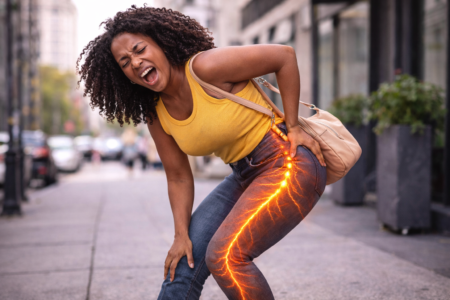
Sciatica: When Your Butt Tries to Ruin Your Life Sciatica refers to pain that travels along the sciatic nerve, which runs from the lower back through the hips and buttocks and down each leg. This type of pain usually occurs when the sciatic nerve becomes irritated or compressed. Common causes include herniated discs, spinal stenosis, inflammation, or muscle tightness in the lower back or hips. Symptoms may include lower back pain, pain that radiates down the leg, tingling, numbness, or weakness in the affected leg. 3 Practical Ways to Help Manage Sciatica Symptoms 1️⃣ Use Gentle Movements Instead of Aggressive Stretching While movement can help relieve pressure on the nerve, overly aggressive stretching can sometimes increase irritation. Helpful approaches include: • Practicing gentle nerve-glide movements • Holding stretches for short periods • Stopping movements that increase shooting pain Controlled, gentle movement may help reduce nerve irritation and support mobility. 2️⃣ Reduce Long Periods of Sitting Extended sitting can place pressure on the lower back and sciatic nerve. Helpful habits include: • Standing or walking every 30–45 minutes • Sitting with feet flat and back supported • Using lumbar support to maintain natural spinal alignment Reducing pressure on the lower spine may help decrease irritation of the sciatic nerve. 3️⃣ Strengthen Supporting Muscles Strengthening muscles around the hips, core, and lower back can help support the spine and reduce strain on nerves. Examples of gentle strengthening exercises include: • Glute bridges • Bird-dog exercises • Side-lying leg raises Improved muscle support can help stabilize the spine and reduce recurring nerve irritation. If it Hurts we can help Join ItHurts — the Social Network for Pain. A community where people experiencing pain can learn from others, listen to shared experiences, and connect with people who understand the challenges of living with pain. #ItHurts #ItHurtsCommunity #MyButtHatesMe #painfreelife ⚠️ Protective Disclaimer This article is intended for informational purposes only and should not replace professional medical advice. If sciatica pain becomes severe, worsens, or is accompanied by numbness, weakness, or loss of bladder or bowel control, seek medical evaluation immediately. A qualified healthcare professional can provide proper diagnosis and treatment. If it Hurts we can help. Join the Community
 Written by mariadean