ItHurts Ouch Files: Foot Care Edition
BLISTER: The Tiny Bubble That Ruins Big Dreams
Blisters are small fluid-filled pockets that develop when friction, pressure, and moisture irritate the skin. While common, they can cause significant discomfort and interfere with walking or physical activity.
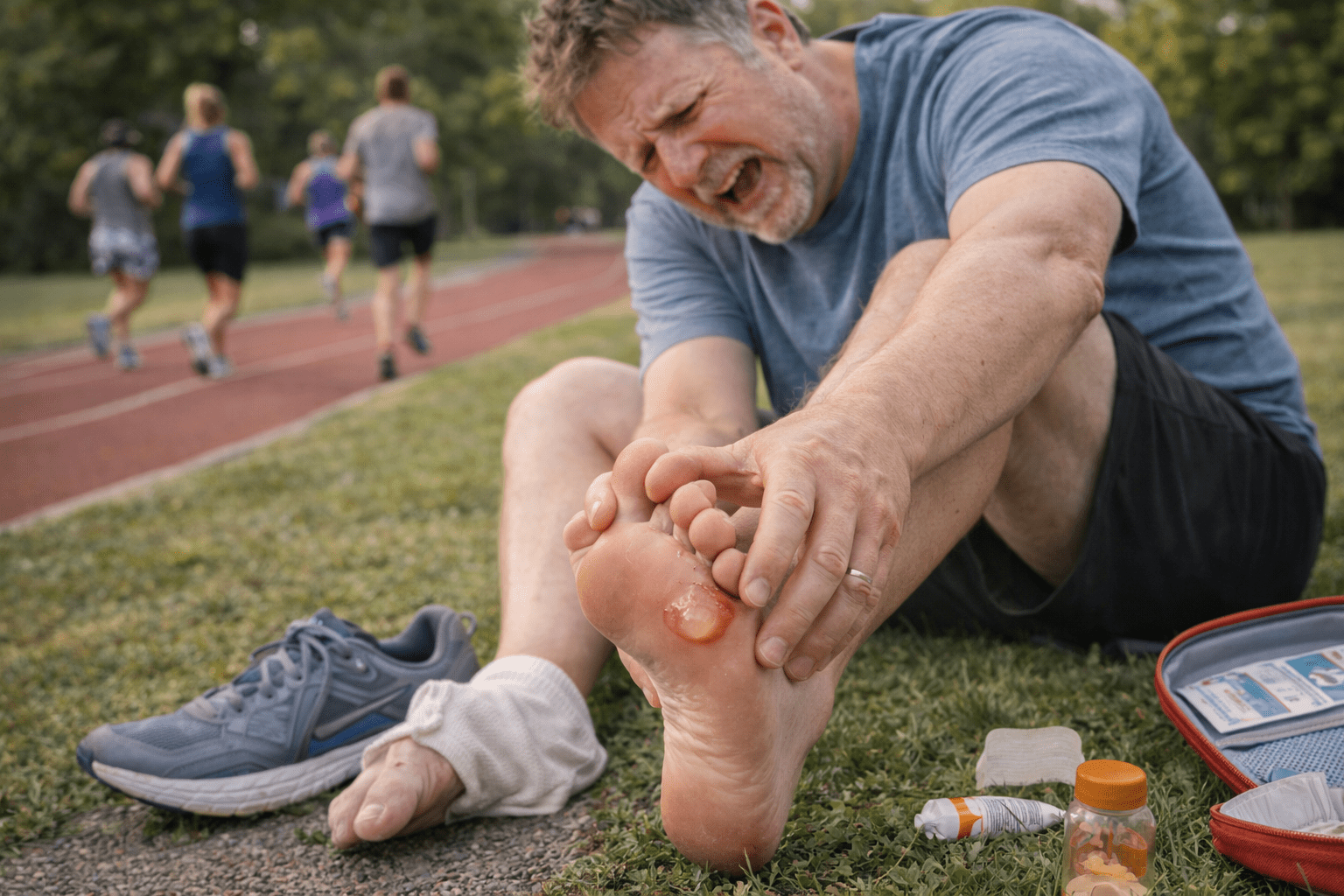
Blisters often occur during activities such as walking, running, or wearing ill-fitting footwear. When friction repeatedly rubs the skin, the upper layers separate and fill with fluid as the body’s natural protective response.
Although most blisters heal on their own, proper care and prevention strategies can reduce pain and prevent infection.
3 Practical Tips to Prevent and Manage Blisters
👟 Reduce Friction Before It Starts
Wear properly fitting shoes that do not rub or pinch. Moisture-wicking socks and anti-friction balms can help minimize rubbing during long walks or athletic activities.
Wear properly fitting shoes that do not rub or pinch. Moisture-wicking socks and anti-friction balms can help minimize rubbing during long walks or athletic activities.
🩹 Protect the Blister
If a blister is small and intact, cover it with a protective bandage or hydrocolloid dressing. Keeping the area clean and protected helps the skin heal naturally.
If a blister is small and intact, cover it with a protective bandage or hydrocolloid dressing. Keeping the area clean and protected helps the skin heal naturally.
🦶 Address the Underlying Cause
Recurring blisters often indicate issues with shoe fit, foot mechanics, or pressure points. Adjusting footwear or using protective padding may help prevent future irritation.
Recurring blisters often indicate issues with shoe fit, foot mechanics, or pressure points. Adjusting footwear or using protective padding may help prevent future irritation.
The Recovery Reality
Most blisters heal within several days if protected from further friction. Allowing the skin to recover and addressing the source of irritation can help prevent recurring blisters and maintain foot comfort during daily activities.
If it Hurts we can help.
Join a supportive community where people share experiences, practical tips, and encouragement for living with pain.
Join the ItHurts Community
Disclaimer: Enjoy the "Ouch Files" for the laughs and the lessons, but treat us like a supportive friend rather than a diagnostic tool. We aren't doctors, and this content is not medical advice. Always consult a qualified healthcare professional for diagnosis and treatment of persistent symptoms.