
ItHurts Ouch Files: Blisters Edition
When Your Skin Inflates a Tiny Protest Bubble
Blisters form when friction causes layers of skin to separate and fill with fluid, often creating pain and irritation during movement.
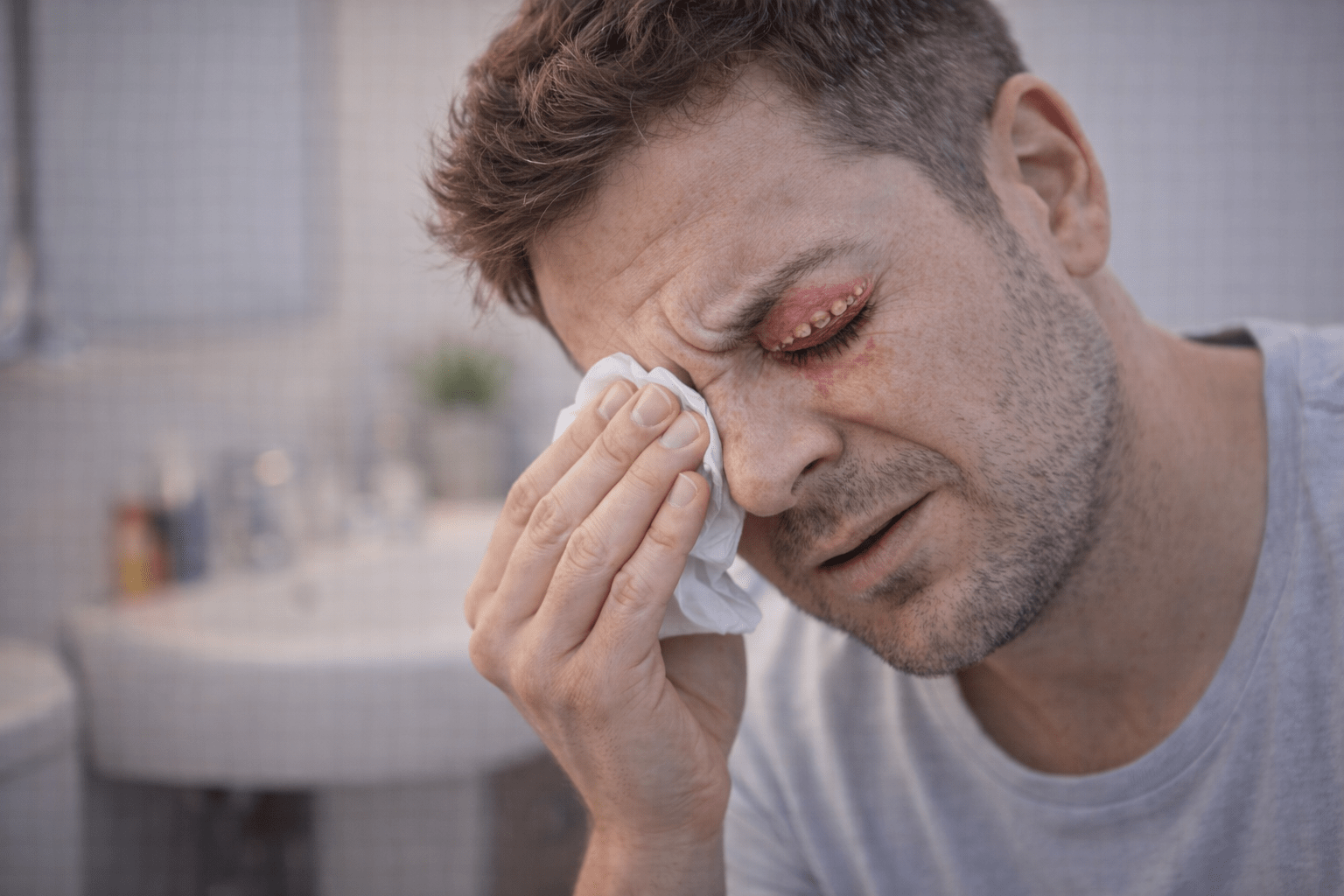
Blisters often appear after repeated rubbing from shoes, tools, or physical activity. The fluid inside the blister acts as a natural cushion protecting the injured skin underneath.
Although blisters are common, treating them early and reducing friction can help prevent infection and speed healing.
3 Practical Tips That May Help Reduce Blister Pain
🧦 Stop the Friction Before It Starts
Moisture-wicking socks, properly fitted shoes, and blister-prevention pads can help reduce rubbing that causes skin layers to separate.
🩹 Protect the Blister Properly
Covering the blister with hydrocolloid bandages or protective pads helps cushion the area and allows the skin underneath to heal safely.
🦶 Reduce Pressure and Rest
Changing footwear, taking breaks from activities, and avoiding repeated pressure can help prevent the blister from worsening.
Early care and proper protection can help the skin heal naturally and prevent blisters from becoming painful wounds.
If it Hurts we can help.
If pain has taken over your sleep, your mood, or your search history, come find your people.
Join the ItHurts Community
Disclaimer: Enjoy the "Ouch Files" for the laughs and the lessons, but treat us like a witty friend rather than a diagnostic tool. We aren't doctors, and this content is not medical advice. If a blister becomes severely painful, infected, or shows signs such as spreading redness or drainage, consult a qualified healthcare professional.