
ItHurts Ouch Files: Chlamydia Edition
Chlamydia: The Silent Squatter That Moved In Without Paying Rent
Chlamydia is a common bacterial sexually transmitted infection that may cause pain, inflammation, or discomfort even when symptoms are mild or unnoticed. Early testing and proper treatment are key to preventing complications.
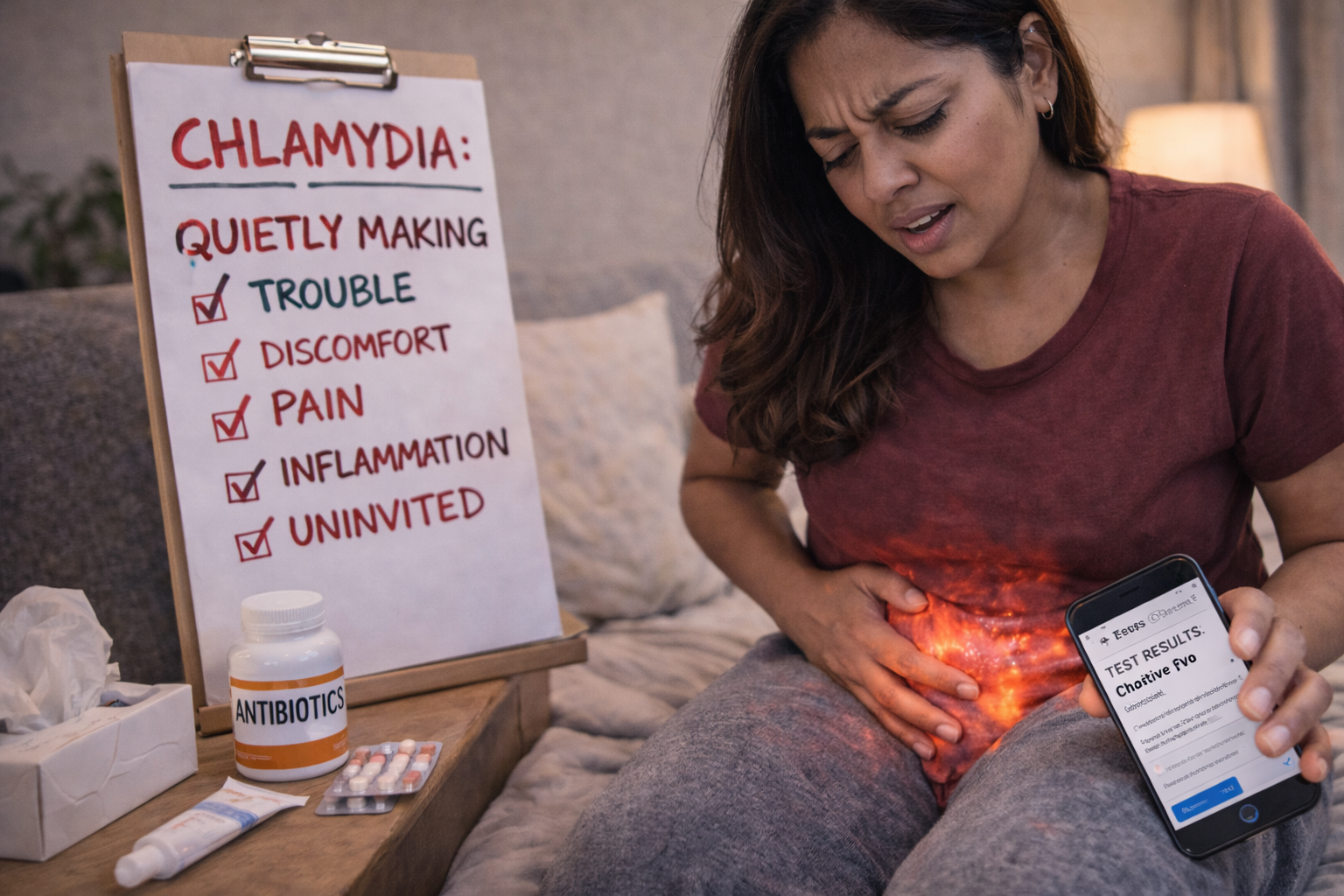
Chlamydia is caused by a bacterial infection that can affect the reproductive system, urinary tract, and surrounding tissues. Many people experience mild symptoms—or none at all—which means the infection can remain unnoticed while causing inflammation or discomfort.
Because symptoms can be subtle, early testing and treatment are essential to prevent complications and reduce long-term pain.
3 Practical Tips for Managing Chlamydia and Preventing Complications
🧪 Get Tested Regularly
Routine testing helps detect infections early, even when symptoms are mild or absent. Early diagnosis allows treatment to begin quickly, reducing the risk of complications such as pelvic pain or reproductive health problems.
💊 Complete the Full Course of Treatment
Antibiotics prescribed by a healthcare provider are effective when taken exactly as directed. Completing the full treatment course helps eliminate the infection and prevents recurrence.
🧘 Support Recovery With Rest and Hydration
After treatment begins, supporting the body with adequate rest, hydration, and balanced nutrition may help reduce inflammation and allow tissues to recover more comfortably.
The Honest Reality
Chlamydia is common and treatable, but ignoring symptoms or delaying care can lead to complications. Seeking medical evaluation and following treatment recommendations can help restore health and prevent long-term issues.
If it Hurts we can help.
If pain has taken over your sleep, your mood, or your search history, come find your people.
Join the ItHurts Community
Disclaimer: Enjoy the "Ouch Files" for the laughs and the lessons, but treat us like a supportive friend rather than a diagnostic tool. We aren't doctors, and this content is not medical advice. Chlamydia should be diagnosed and treated by a qualified healthcare professional.