
ItHurts Ouch Files: Corns Edition
Cornageddon: When Your Toe Declares War and Wins
Foot corns are small areas of thickened skin that develop when pressure or friction repeatedly irritates the same spot on the foot. Although they may seem minor, corns can make walking and daily movement surprisingly uncomfortable.
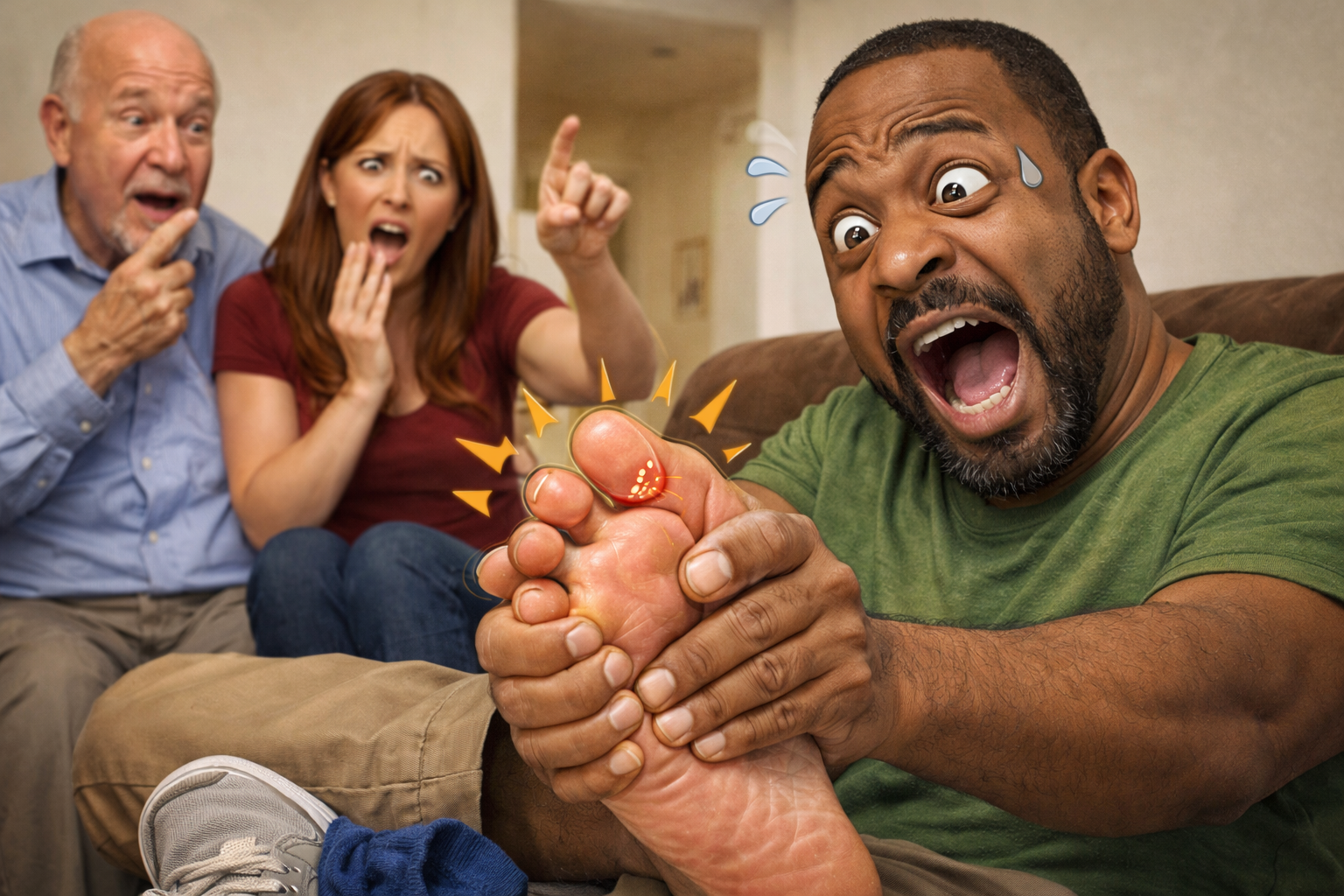
Corns typically form on toes or areas of the foot that experience repeated pressure from tight shoes, abnormal foot mechanics, or frequent friction. Over time, the skin thickens to protect itself, creating a small hardened core that can become painful when pressed.
While corns are usually harmless, the discomfort they cause can affect walking, posture, and daily activities. Fortunately, several simple adjustments can help reduce pressure and gradually improve symptoms.
3 Practical Tips That May Help Reduce Corn Pain
👟 Reduce Pressure on the Affected Area
Corns develop because of constant friction. Wearing shoes with a wider toe box and using protective pads or gel toe caps may help reduce pressure on sensitive areas.
🛁 Soften the Skin Before Treating
Soaking the feet in warm water for 10–15 minutes may soften hardened skin. After soaking, gently using a pumice stone can help gradually remove thickened layers.
🦶 Address Foot Mechanics
Recurring corns may be linked to toe alignment, bunions, or pressure distribution when walking. Orthotics, supportive footwear, or consultation with a podiatrist may help correct the underlying cause.
With consistent care and pressure relief, many corns gradually improve. Paying attention to footwear and foot mechanics can help prevent them from returning.
If it Hurts we can help.
If pain has taken over your sleep, your mood, or your search history, come find your people.
Join the ItHurts Community
Disclaimer: Enjoy the "Ouch Files" for the laughs and the lessons, but treat us like a witty friend rather than a diagnostic tool. We aren't doctors, and this content is not medical advice. If a corn becomes extremely painful, infected, bleeding, or continues to return despite treatment, consult a qualified healthcare professional such as a podiatrist.