
ItHurts Ouch Files: Kidney Stones Edition
Kidney Stones: When Your Body Decides to Smuggle Gravel Through a Straw
Kidney stones are small mineral deposits that form in the kidneys but can cause intense pain when they travel through the urinary tract.
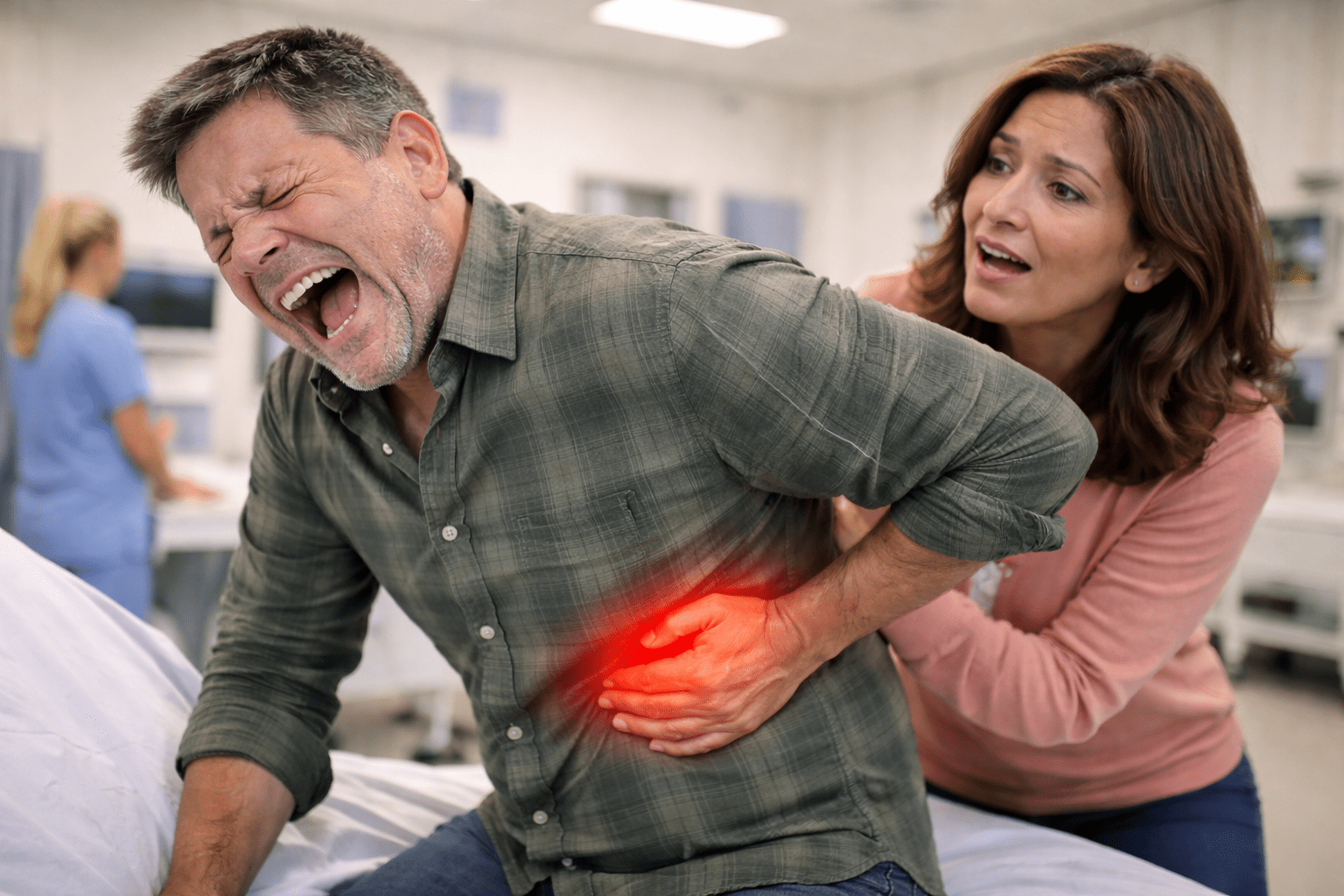
Kidney stones form when minerals and salts in the urine crystallize and combine into small, hard deposits inside the kidneys. When these stones move through the urinary tract, they can cause severe pain that often begins in the lower back or side.
The discomfort may radiate toward the abdomen or groin as the stone travels through the urinary system. While the experience can be frightening, supportive care and prevention strategies can help reduce the risk of future episodes.
3 Practical Tips That May Help Manage Kidney Stones
💧 Stay Consistently Hydrated
Drinking water regularly throughout the day helps dilute minerals in urine before they can form crystals. Many healthcare professionals recommend maintaining pale-yellow or clear urine as a sign of good hydration.
🧂 Reduce Excess Sodium Intake
High sodium intake can increase calcium levels in urine, which may contribute to kidney stone formation. Limiting processed foods and monitoring salt intake may help maintain a healthier mineral balance.
🚶 Gentle Movement May Help Stones Pass
Light movement such as short walks or changing positions may help smaller stones move through the urinary tract more efficiently instead of remaining lodged in place.
Kidney stones can cause severe discomfort, but early medical evaluation and proper prevention strategies can help reduce complications and future risk.
If it Hurts we can help.
If pain has taken over your sleep, your mood, or your search history, come find your people.
Join the ItHurts Community
Disclaimer: Enjoy the "Ouch Files" for the laughs and the lessons, but treat us like a witty friend rather than a diagnostic tool. We aren't doctors, and this content is not medical advice. Kidney stones can cause serious complications. If you experience severe pain, fever, vomiting, or difficulty urinating, seek medical care immediately.