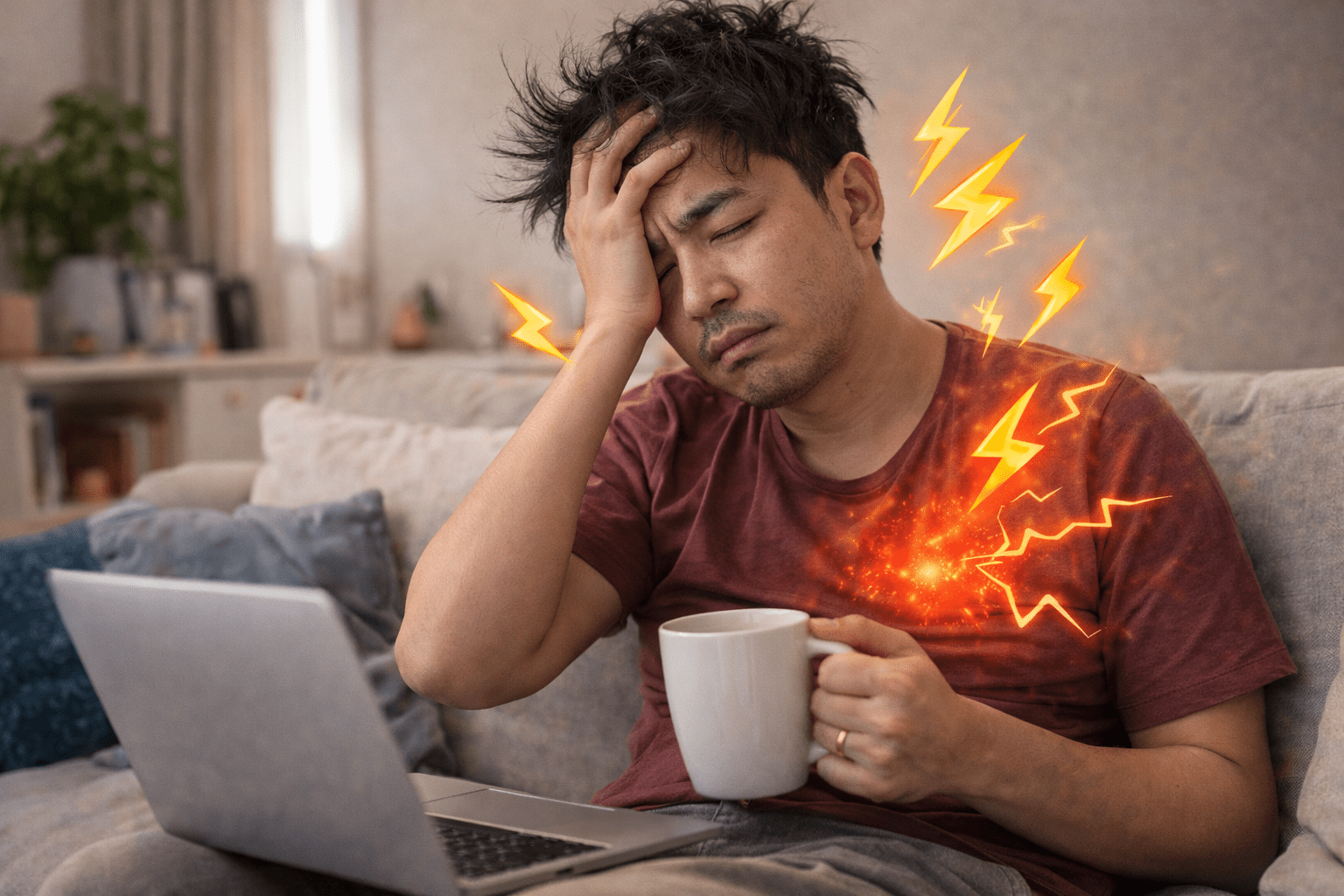
For some people, COVID-19 symptoms don’t completely disappear after the initial infection. Long COVID can include persistent fatigue, brain fog, body pain, and reduced physical endurance that may affect daily life for weeks or months.
Long COVID refers to ongoing symptoms that continue after the initial COVID-19 infection has resolved. Many individuals experience fatigue, difficulty concentrating, muscle pain, shortness of breath, and reduced stamina that can make everyday activities more challenging.
Researchers are still studying why Long COVID occurs, but symptoms may involve inflammation, nervous system changes, or immune responses that take time to stabilize.
3 Practical Tips That May Help Manage Long COVID Symptoms
🔋 Pace Your Energy Carefully
Fatigue is one of the most common Long COVID symptoms. Breaking tasks into smaller steps, scheduling rest periods, and avoiding overexertion can help prevent symptom flare-ups that may last for several days.
🧠 Support Nervous System Recovery
Relaxation techniques such as slow breathing, meditation, and maintaining a regular sleep routine may help calm the nervous system and improve overall symptom management.
🚶 Choose Gentle Movement Over Intense Exercise
Low-impact activities like light stretching or slow walking may help maintain circulation and mobility. Gradually increasing activity levels while monitoring symptoms can help avoid excessive fatigue.
Living with Long COVID can feel isolating, especially when symptoms fluctuate or remain invisible to others. Supportive communities and shared experiences can help individuals better understand and navigate persistent symptoms.
Disclaimer: Enjoy the "Ouch Files" for the laughs and the lessons, but treat us like a witty friend rather than a diagnostic tool. We aren't doctors, and this content is not medical advice. Long COVID symptoms can vary widely and may require evaluation by healthcare professionals. If symptoms persist, worsen, or interfere with daily life, consult a qualified medical provider.