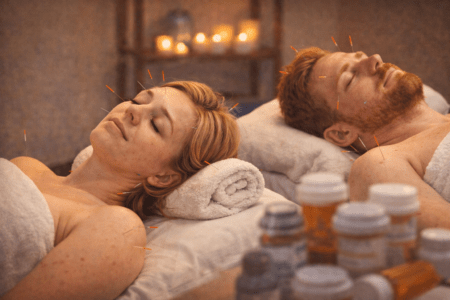
ItHurts Ouch Files: Acupuncture Edition Acupuncture: When Tiny Needles Do What Your Entire Medicine Cabinet Couldn’t Acupuncture is a traditional therapy that uses thin needles to stimulate specific points in the body. Many people use it to help manage pain, improve circulation, and support the body’s natural healing processes. Acupuncture is a practice that has been used for centuries to help manage pain and promote healing. By inserting very thin needles at specific points on the body, practitioners aim to stimulate nerves, muscles, and connective tissue. For many people dealing with chronic pain, muscle tension, or stress-related discomfort, acupuncture can complement other treatments and support the body’s recovery process. 3 Practical Tips for Getting the Most From Acupuncture 🪡 Commit to Multiple Sessions Acupuncture often works best when done consistently over several sessions. Scheduling treatments regularly allows the body to respond gradually and build longer-lasting improvements in pain and tension. 💧 Stay Hydrated After Treatment Drinking water after acupuncture sessions may help support circulation and recovery. Staying hydrated can also reduce post-session soreness and support the body’s natural healing response. 🚶 Combine Acupuncture With Gentle Habits Pairing acupuncture with supportive habits such as light stretching, walking, or relaxation techniques may help extend the benefits and improve overall pain management. The Honest Reality Acupuncture may not provide immediate results for everyone, but many people experience gradual improvements in pain, relaxation, and overall well-being. When used alongside medical care and healthy habits, it can be a valuable part of a pain management strategy. If it Hurts we can help. If pain has taken over your sleep, your mood, or your search history, come find your people. Join the ItHurts Community Disclaimer: Enjoy the “Ouch Files” for the laughs and the lessons, but treat us like a supportive friend rather than a diagnostic tool. We aren’t doctors, and this content is not medical advice. Always consult a qualified healthcare professional before beginning any new medical treatment or therapy.
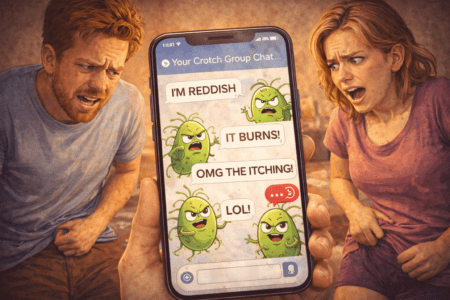
ItHurts Ouch Files: Trichomoniasis Edition When Your Nether Regions Start a Group Chat Without You: A Trichomoniasis Survival Guide Trichomoniasis is a common sexually transmitted infection caused by a parasite. While symptoms can include irritation, burning, and discomfort, the condition is treatable with proper medical care. Trichomoniasis is caused by a microscopic parasite that spreads through sexual contact. Some people experience symptoms such as itching, burning, discharge, or irritation, while others may not notice symptoms at all. Early testing and treatment can relieve symptoms quickly and prevent the infection from spreading or recurring. 3 Practical Tips for Managing Trichomoniasis Symptoms 🧠 Seek Medical Testing and Treatment Trichomoniasis does not usually resolve on its own. A healthcare provider can diagnose the infection and prescribe medication that effectively eliminates the parasite. 🧴 Reduce Irritation During Recovery Avoid harsh soaps, scented products, and tight clothing while recovering. Gentle hygiene and breathable fabrics can help reduce irritation and discomfort. 🤝 Ensure Partners Receive Treatment To prevent reinfection, sexual partners should also be tested and treated when necessary. Completing treatment together helps prevent the infection from returning. The Honest Reality Trichomoniasis is a common and treatable infection. With proper diagnosis, prescribed medication, and supportive self-care, most people recover quickly and can prevent reinfection. If it Hurts we can help. If pain, irritation, or health concerns have taken over your search history, come find your people. Join the ItHurts Community Disclaimer: Enjoy the “Ouch Files” for the laughs and the lessons, but treat us like a supportive friend rather than a diagnostic tool. We aren’t doctors, and this content is not medical advice. Trichomoniasis requires diagnosis and treatment by a qualified healthcare professional.
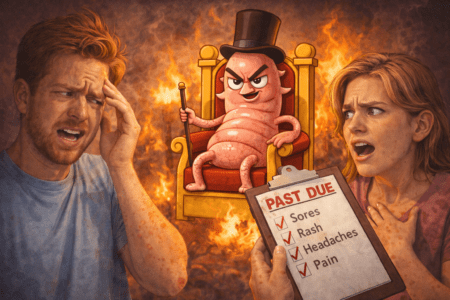
ItHurts Ouch Files: Syphilis Edition Syphilis: The STD That Shows Up Late, Causes Drama, and Still Needs You to Take It Seriously Syphilis is a bacterial infection that can affect multiple parts of the body over time. Early diagnosis and treatment are essential for preventing complications and managing symptoms effectively. Syphilis is a sexually transmitted bacterial infection that can develop in stages. Early symptoms may include sores or rashes, but the infection can progress to affect nerves, joints, and other organs if left untreated. Because symptoms can disappear temporarily, some people may not realize they still have the infection. Early testing and proper treatment can prevent complications and significantly improve recovery outcomes. 3 Practical Tips for Managing Syphilis Symptoms 🧪 Get Tested and Diagnosed Early Blood testing is the most reliable way to detect syphilis. Early diagnosis allows treatment to begin quickly and helps prevent long-term complications. 💊 Follow Treatment Exactly as Prescribed Syphilis is typically treated with antibiotics prescribed by a healthcare provider. Completing the full treatment and attending follow-up appointments is essential to ensure the infection is fully cleared. 🛌 Support Your Body During Recovery Rest, proper hydration, and reducing physical stress can help support your immune system while your body recovers from infection and treatment. The Honest Reality Syphilis can be serious if untreated, but it is highly treatable when identified early. Regular testing, proper medical care, and supportive recovery habits can help prevent complications and restore health. If it Hurts we can help. If pain, symptoms, or health concerns have taken over your search history, come find your people. Join the ItHurts Community Disclaimer: Enjoy the “Ouch Files” for the laughs and the lessons, but treat us like a supportive friend rather than a diagnostic tool. We aren’t doctors, and this content is not medical advice. Syphilis requires diagnosis and treatment by a qualified healthcare professional.
ItHurts Ouch Files: Scabies Edition Scabies: When Your Skin Joins a Cult and Itches for Chaos Scabies is a skin infestation caused by tiny mites that burrow under the skin, leading to intense itching and irritation. With proper treatment and hygiene measures, the condition can be effectively managed and eliminated. Scabies is caused by microscopic mites that burrow into the skin and trigger an allergic reaction. This reaction leads to intense itching, skin irritation, and small rashes that can become worse at night. Although the condition can be uncomfortable and frustrating, it is treatable with the right medical care. Early treatment and proper hygiene practices can help eliminate the mites and prevent reinfestation. 3 Practical Tips for Managing Scabies 🧼 Use Prescribed Anti-Scabies Treatment Medical treatments such as permethrin creams or other prescribed medications are used to eliminate scabies mites. These treatments should be applied exactly as directed and often to the entire body to ensure all mites are eliminated. 🛏️ Wash Bedding and Clothing Thoroughly Clothing, towels, and bedding should be washed in hot water and dried on high heat. This helps eliminate mites that may survive temporarily on fabrics and prevents reinfestation. ❄️ Manage Post-Treatment Itching Even after treatment, itching can continue for a short period while the skin heals. Cool compresses, gentle moisturizers, and doctor-recommended anti-itch treatments may help reduce irritation and support recovery. The Honest Reality Scabies can be extremely uncomfortable, but it is a treatable medical condition that affects many people. With proper treatment, hygiene practices, and medical guidance, symptoms can be controlled and the infestation eliminated. If it Hurts we can help. If pain, irritation, or health concerns have taken over your search history, come find your people. Join the ItHurts Community Disclaimer: Enjoy the “Ouch Files” for the laughs and the lessons, but treat us like a supportive friend rather than a diagnostic tool. We aren’t doctors, and this content is not medical advice. Scabies requires proper diagnosis and treatment from a qualified healthcare professional.
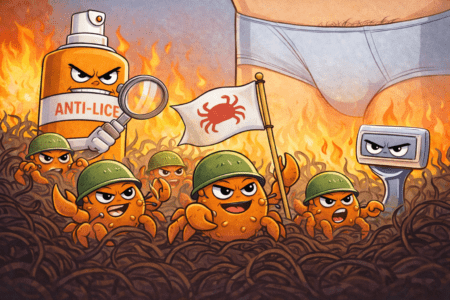
ItHurts Ouch Files: Pubic Lice Edition Pubic Lice: When Your Crotch Declares War (And Sends Tiny Troops) Pubic lice, sometimes called “crabs,” are tiny parasites that live in coarse hair and cause intense itching and irritation. While uncomfortable and frustrating, the condition is treatable with proper hygiene and targeted treatments. Pubic lice are small parasites that live in coarse body hair and feed on blood from the skin. Their bites can cause intense itching, redness, irritation, and discomfort, particularly in the pubic area. Although unpleasant, pubic lice are treatable with proper care and appropriate medications. Taking prompt action can help relieve symptoms, prevent spreading, and eliminate the parasites more quickly. 3 Practical Tips for Managing Pubic Lice 🧴 Use Recommended Lice Treatments Over-the-counter treatments containing permethrin or pyrethrins are commonly used to eliminate lice. Follow instructions carefully and repeat treatment if recommended to address any remaining eggs. ✂️ Reduce Hair Where Lice Live Trimming or shaving affected areas may help reduce the environment lice rely on to survive. This should be done carefully and combined with proper treatment for best results. 🧺 Clean Personal Items Thoroughly Wash clothing, towels, and bedding in hot water and dry them on high heat. Non-washable items can be sealed in a plastic bag for about two weeks to ensure lice cannot survive. The Honest Reality Pubic lice can be uncomfortable and emotionally stressful, but they are a common and treatable condition. With proper treatment, hygiene practices, and medical guidance if needed, symptoms can be managed and the parasites eliminated. If it Hurts we can help. If pain, irritation, or health concerns have taken over your search history, come find your people. Join the ItHurts Community Disclaimer: Enjoy the “Ouch Files” for the laughs and the lessons, but treat us like a supportive friend rather than a diagnostic tool. We aren’t doctors, and this content is not medical advice. Pubic lice should be evaluated and treated with guidance from a qualified healthcare professional if symptoms persist.
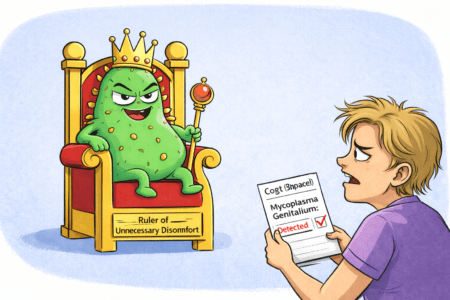
ItHurts Ouch Files: Mycoplasma Genitalium Edition Mycoplasma Genitalium: The STI So Petty It Refuses to Leave Mycoplasma genitalium is a bacterial infection that can cause persistent irritation, pelvic pain, and urinary discomfort. Because it can be difficult to detect and treat, early testing and proper treatment are important for recovery. Mycoplasma genitalium is a sexually transmitted bacterial infection that can cause symptoms such as burning during urination, pelvic discomfort, genital irritation, and pain during intercourse. In some cases, symptoms may persist or return if the infection is not properly diagnosed or treated. Because this bacterium can be resistant to certain antibiotics, accurate testing and proper treatment are essential for symptom relief and recovery. 3 Practical Tips for Managing Mycoplasma Genitalium Symptoms 🧪 Ask for the Correct Diagnostic Test If symptoms continue or return after treatment, ask your healthcare provider about specific testing for Mycoplasma genitalium using NAAT testing. Accurate diagnosis can help guide the most effective treatment. 💊 Follow Treatment Exactly as Prescribed Complete the full course of prescribed medication, even if symptoms improve early. Stopping treatment too soon can allow the infection to persist and increase antibiotic resistance. 🛑 Support Healing During Treatment Avoid sexual activity until treatment is completed and follow-up testing is recommended. Staying hydrated, managing stress, and allowing your body time to recover can help reduce inflammation and discomfort. The Honest Reality Mycoplasma genitalium infections can be frustrating because symptoms may persist or return without proper diagnosis. However, with accurate testing, appropriate treatment, and medical guidance, most people can successfully manage symptoms and recover. If it Hurts we can help. If pain, irritation, or health concerns have taken over your search history, come find your people. Join the ItHurts Community Disclaimer: Enjoy the “Ouch Files” for the laughs and the lessons, but treat us like a supportive friend rather than a diagnostic tool. We aren’t doctors, and this content is not medical advice. Mycoplasma genitalium requires diagnosis and treatment by a qualified healthcare professional.
Afghanistan
Albania
Algeria
Andorra
Angola
Argentina
Armenia
Australia
Austria
Azerbaijan
Bahrain
Bangladesh
Barbados
Belarus
Belgium
Belize
Benin
Bhutan
Bolivia
Bosnia and Herzegovina
Botswana
Brazil
Brunei
Bulgaria
Burkina Faso
Burundi
Cambodia
Cameroon
Canada
Cape Verde
Central African Republic
Chad
Chile
China
Colombia
Comoros
Congo
Costa Rica
Croatia
Cuba
Cyprus
Czech Republic
Denmark
Djibouti
Dominican Republic
Ecuador
Egypt
El Salvador
Estonia
Ethiopia
Finland
France
Gabon
Gambia
Georgia
Germany
Ghana
Greece
Guatemala
Guinea
Guyana
Haiti
Honduras
Hungary
Iceland
India
Indonesia
Iran
Iraq
Ireland
Israel
Italy
Jamaica
Japan
Jordan
Kazakhstan
Kenya
Kuwait
Kyrgyzstan
Laos
Latvia
Lebanon
Lesotho
Liberia
Libya
Lithuania
Luxembourg
Madagascar
Malawi
Malaysia
Maldives
Mali
Malta
Mauritania
Mauritius
Mexico
Moldova
Mongolia
Montenegro
Morocco
Mozambique
Myanmar
Namibia
Nepal
Netherlands
New Zealand
Nicaragua
Niger
Nigeria
Norway
Oman
Pakistan
Panama
Paraguay
Peru
Philippines
Poland
Portugal
Qatar
Romania
Russia
Rwanda
Saudi Arabia
Senegal
Serbia
Singapore
Slovakia
Slovenia
South Africa
South Korea
Spain
Sri Lanka
Sudan
Sweden
Switzerland
Syria
Taiwan
Tajikistan
Tanzania
Thailand
Turkey
Turkmenistan
Uganda
Ukraine
United Arab Emirates
United Kingdom
United States
Uruguay
Uzbekistan
Venezuela
Vietnam
Yemen
Zambia
Zimbabwe