United States
Afghanistan
Albania
Algeria
Andorra
Angola
Argentina
Armenia
Australia
Austria
Azerbaijan
Bahrain
Bangladesh
Barbados
Belarus
Belgium
Belize
Benin
Bhutan
Bolivia
Bosnia and Herzegovina
Botswana
Brazil
Brunei
Bulgaria
Burkina Faso
Burundi
Cambodia
Cameroon
Canada
Cape Verde
Central African Republic
Chad
Chile
China
Colombia
Comoros
Congo
Costa Rica
Croatia
Cuba
Cyprus
Czech Republic
Denmark
Djibouti
Dominican Republic
Ecuador
Egypt
El Salvador
Estonia
Ethiopia
Finland
France
Gabon
Gambia
Georgia
Germany
Ghana
Greece
Guatemala
Guinea
Guyana
Haiti
Honduras
Hungary
Iceland
India
Indonesia
Iran
Iraq
Ireland
Israel
Italy
Jamaica
Japan
Jordan
Kazakhstan
Kenya
Kuwait
Kyrgyzstan
Laos
Latvia
Lebanon
Lesotho
Liberia
Libya
Lithuania
Luxembourg
Madagascar
Malawi
Malaysia
Maldives
Mali
Malta
Mauritania
Mauritius
Mexico
Moldova
Mongolia
Montenegro
Morocco
Mozambique
Myanmar
Namibia
Nepal
Netherlands
New Zealand
Nicaragua
Niger
Nigeria
Norway
Oman
Pakistan
Panama
Paraguay
Peru
Philippines
Poland
Portugal
Qatar
Romania
Russia
Rwanda
Saudi Arabia
Senegal
Serbia
Singapore
Slovakia
Slovenia
South Africa
South Korea
Spain
Sri Lanka
Sudan
Sweden
Switzerland
Syria
Taiwan
Tajikistan
Tanzania
Thailand
Turkey
Turkmenistan
Uganda
Ukraine
United Arab Emirates
United Kingdom
United States
Uruguay
Uzbekistan
Venezuela
Vietnam
Yemen
Zambia
Zimbabwe

News

Molluscum Contagiosum: When Your Skin Joins a Cult You Never Signed Up For

ItHurts Ouch Files: Molluscum Contagiosum Edition Molluscum Contagiosum: When Your Skin Joins a Cult You Never Signed Up For Molluscum contagiosum is a viral skin infection that causes small, raised bumps on the skin. While usually harmless, it can cause irritation, itching, and frustration. With proper care and hygiene, symptoms can be managed while the body clears the infection. Molluscum contagiosum is a common viral skin infection that causes small, dome-shaped bumps that may appear shiny or flesh-colored. Although it is typically painless, the bumps can become itchy, irritated, or inflamed depending on their location. The condition spreads through skin-to-skin contact or contact with contaminated objects. Fortunately, most cases resolve naturally over time, though supportive care can help manage symptoms and prevent spreading. 3 Practical Tips for Managing Molluscum Contagiosum 🧼 Avoid Touching or Scratching the Bumps Scratching, squeezing, or picking at molluscum bumps can spread the virus to other parts of the body. Keep the area clean and wash hands regularly to reduce the risk of spreading the infection. 🧴 Use Gentle Skin Care Products Choose fragrance-free moisturizers and mild cleansers to keep the skin calm and protected. Avoid harsh scrubs, exfoliants, or irritating products that may worsen inflammation. 🧠 Support Your Immune System Healthy sleep, balanced nutrition, and stress management can help support the immune system, which plays a key role in clearing the virus naturally over time. The Honest Reality Molluscum contagiosum can be frustrating and uncomfortable, especially when bumps appear in visible or sensitive areas. However, the condition is typically temporary, and with proper care and medical guidance when needed, symptoms can be managed effectively. If it Hurts we can help. If pain, irritation, or health concerns have taken over your search history, come find your people. Join the ItHurts Community Disclaimer: Enjoy the “Ouch Files” for the laughs and the lessons, but treat us like a supportive friend rather than a diagnostic tool. We aren’t doctors, and this content is not medical advice. Molluscum contagiosum should be evaluated by a qualified healthcare professional if symptoms worsen or persist.

Your Groin Didn’t Wake Up Choosing Violence—LGV Did (And It’s Time to Fight Back)

ItHurts Ouch Files: LGV Edition Your Groin Didn’t Wake Up Choosing Violence—LGV Did Lymphogranuloma venereum (LGV) is a bacterial infection that can cause painful swelling of lymph nodes, inflammation, and discomfort in the groin region. Early diagnosis and proper treatment can significantly reduce symptoms and complications. Lymphogranuloma venereum (LGV) is caused by certain strains of bacteria that affect the lymphatic system. Symptoms can include swollen lymph nodes in the groin, tenderness, inflammation, and discomfort that may interfere with daily activities. With early medical treatment and supportive care, symptoms can often be managed effectively and complications can be prevented. 3 Practical Tips for Managing LGV Pain and Discomfort 🧠 Seek Early Medical Evaluation Pain, swelling, or enlarged lymph nodes in the groin should be evaluated by a healthcare professional. Early testing and treatment with prescribed antibiotics can significantly reduce symptoms and prevent long-term complications. 🧊 Reduce Swelling and Irritation Warm compresses applied gently to swollen lymph nodes may help reduce inflammation. Wearing loose, breathable clothing can also reduce friction and improve comfort. 🥗 Support Your Immune System Staying hydrated, eating nutrient-rich foods, and getting adequate sleep can support the body during recovery and help reduce inflammation. The Honest Reality LGV can be uncomfortable and stressful, but it is treatable with proper medical care. Seeking early treatment and maintaining supportive self-care habits can help reduce symptoms and support recovery. If it Hurts we can help. If pain has taken over your sleep, your mood, or your search history, come find your people. Join the ItHurts Community Disclaimer: Enjoy the “Ouch Files” for the laughs and the lessons, but treat us like a supportive friend rather than a diagnostic tool. We aren’t doctors, and this content is not medical advice. LGV requires diagnosis and treatment by a qualified healthcare professional.

Hepatitis B: When Your Liver Joins the Group Chat and Starts Yelling in ALL CAPS

ItHurts Ouch Files: Hepatitis B Edition Hepatitis B: When Your Liver Joins the Group Chat and Starts Yelling in ALL CAPS Hepatitis B is a viral infection that affects the liver and can cause fatigue, abdominal discomfort, and inflammation. With proper medical care and supportive habits, many people manage symptoms and protect their liver health. Hepatitis B is a viral infection that can inflame the liver and affect overall energy levels. Symptoms may include fatigue, joint aches, abdominal discomfort, nausea, and headaches. While medical treatment and monitoring are essential, lifestyle habits can play a supportive role in managing symptoms and reducing inflammation. 3 Practical Tips for Managing Hepatitis B Discomfort 🥗 Support Liver Health With Balanced Nutrition Eating nutrient-rich foods such as leafy greens, berries, whole grains, and lean proteins may help reduce inflammation and support liver function. Avoiding alcohol and limiting heavily processed foods may also reduce stress on the liver. 🛌 Manage Fatigue With Strategic Rest Fatigue is a common symptom of Hepatitis B. Scheduling rest periods and avoiding excessive physical strain may help the body recover and reduce overall discomfort. 🧠 Reduce Stress to Support Immune Health Chronic stress can increase inflammation in the body. Relaxation techniques such as breathing exercises, mindfulness, and gentle movement may help reduce stress and support overall wellbeing. The Honest Reality Hepatitis B is a medical condition that requires proper healthcare and monitoring. With professional treatment and supportive lifestyle choices, many people manage symptoms and maintain long-term health. If it Hurts we can help. If pain has taken over your sleep, your mood, or your search history, come find your people. Join the ItHurts Community Disclaimer: Enjoy the “Ouch Files” for the laughs and the lessons, but treat us like a supportive friend rather than a diagnostic tool. We aren’t doctors, and this content is not medical advice. Hepatitis B should be evaluated and managed by a qualified healthcare professional.

Your Liver Is on Strike: A Comedian’s Guide to Surviving Hepatitis A Without Losing Your Mind (or Your Snacks)

ItHurts Ouch Files: Hepatitis A Edition Your Liver Is on Strike: A Guide to Surviving Hepatitis A Hepatitis A is a viral infection that causes inflammation of the liver and may lead to fatigue, nausea, abdominal discomfort, and digestive issues. Supportive care and proper medical guidance can help improve recovery and comfort. Hepatitis A is a viral infection that affects the liver and can temporarily disrupt digestion, energy levels, and overall wellbeing. Symptoms may include fatigue, nausea, abdominal pain, and reduced appetite. While the condition is usually temporary, supportive care and healthy habits can help the body recover more comfortably. 3 Practical Tips for Managing Hepatitis A Symptoms 🥤 Stay Hydrated Drinking water regularly throughout the day helps support liver function and may reduce headaches and fatigue. Oral rehydration drinks or electrolyte solutions may also help maintain fluid balance. 🥗 Choose Light, Easy-to-Digest Foods Small, simple meals such as soups, rice, bananas, and lean proteins may be easier for the body to process during recovery. Avoiding greasy or heavily processed foods may help reduce nausea and digestive stress. 🛌 Prioritize Rest Fatigue is a common symptom of Hepatitis A. Getting adequate sleep and allowing the body time to rest helps the immune system recover and supports liver healing. The Honest Reality Hepatitis A can temporarily disrupt daily life, but most people recover fully with proper care and medical guidance. Staying hydrated, eating simple foods, and allowing time for rest can help the body heal more effectively. If it Hurts we can help. If pain has taken over your sleep, your mood, or your search history, come find your people. Join the ItHurts Community Disclaimer: Enjoy the “Ouch Files” for the laughs and the lessons, but treat us like a supportive friend rather than a diagnostic tool. We aren’t doctors, and this content is not medical advice. Hepatitis A should be evaluated and monitored by a qualified healthcare professional.

When Your Underwear Declares War: A Genital Herpes Survival Guide (With Dignity, Humor, and Actual Relief)

ItHurts Ouch Files: Genital Herpes (HSV-2) Edition When Your Underwear Declares War: A Genital Herpes Survival Guide HSV-2 (genital herpes) can cause painful outbreaks, skin irritation, and nerve discomfort. Gentle care, stress management, and medical treatment can help reduce symptoms and improve comfort during flare-ups. Genital herpes (HSV-2) is a viral infection that may cause painful blisters, skin irritation, and nerve sensitivity during outbreaks. While symptoms can be uncomfortable, proper care and medical guidance can help manage flare-ups and reduce discomfort. Understanding how to reduce irritation and support the nervous system can make outbreaks easier to manage. 3 Practical Tips for Managing HSV-2 Discomfort 🧊 Use Cooling Methods to Reduce Irritation Applying a cool compress wrapped in cloth for several minutes may help reduce swelling and calm nerve sensitivity. Wearing loose, breathable clothing can also reduce friction during healing. 🧴 Protect and Support the Skin During outbreaks, gentle cleansing and doctor-recommended topical care can help protect irritated skin and reduce discomfort while healing occurs. 🧠 Reduce Stress to Help Prevent Flare-Ups Stress can trigger HSV-2 outbreaks. Gentle exercise, quality sleep, and relaxation techniques may help support the immune system and reduce recurrence. The Honest Reality Genital herpes is a manageable condition, and many people live healthy lives with proper medical guidance and supportive self-care. Understanding triggers and maintaining consistent care can help reduce outbreaks and improve comfort. If it Hurts we can help. If pain has taken over your sleep, your mood, or your search history, come find your people. Join the ItHurts Community Disclaimer: Enjoy the “Ouch Files” for the laughs and the lessons, but treat us like a supportive friend rather than a diagnostic tool. We aren’t doctors, and this content is not medical advice. HSV-2 should be evaluated and treated by a qualified healthcare professional.

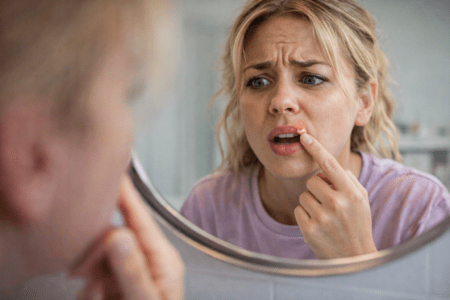
Cold Sore? More Like Cold Sore-ly Uninvited: How to Evict HSV-1 Without Losing Your Mind (or Your Lips)

ItHurts Ouch Files: HSV-1 (Cold Sore) Edition Cold Sore? More Like Cold Sore-ly Uninvited HSV-1 (oral herpes) can cause painful cold sores around the lips. Early care, gentle skin protection, and proper treatment may help reduce discomfort and shorten outbreaks. Cold sores caused by HSV-1 often begin with tingling, itching, or mild irritation before a blister appears. These outbreaks may be triggered by stress, illness, fatigue, or sun exposure. While cold sores can be uncomfortable, early treatment and supportive care can help reduce pain and speed the healing process. 3 Practical Tips for Managing Cold Sore Pain 🔥 Start Treatment Early Applying antiviral creams such as docosanol or acyclovir at the first sign of tingling may help slow viral activity and reduce the severity and duration of the outbreak. ❄️ Use Cold Compresses Applying a cold compress wrapped in cloth for several minutes can help reduce swelling and temporarily numb discomfort. 🧴 Keep the Area Moisturized Using petroleum jelly or protective lip balm helps prevent cracking and irritation while the sore heals. The Honest Reality Cold sores are extremely common and many people experience them at some point. With proper care and medical guidance when needed, outbreaks usually heal within a short period of time. If it Hurts we can help. If pain has taken over your sleep, your mood, or your search history, come find your people. Join the ItHurts Community Disclaimer: Enjoy the “Ouch Files” for the laughs and the lessons, but treat us like a supportive friend rather than a diagnostic tool. We aren’t doctors, and this content is not medical advice. HSV-1 and cold sores should be evaluated by a qualified healthcare professional if symptoms are severe or recurring.