

ItHurts Ouch Files: LGV Edition
Your Groin Didn’t Wake Up Choosing Violence—LGV Did
Lymphogranuloma venereum (LGV) is a bacterial infection that can cause painful swelling of lymph nodes, inflammation, and discomfort in the groin region. Early diagnosis and proper treatment can significantly reduce symptoms and complications.
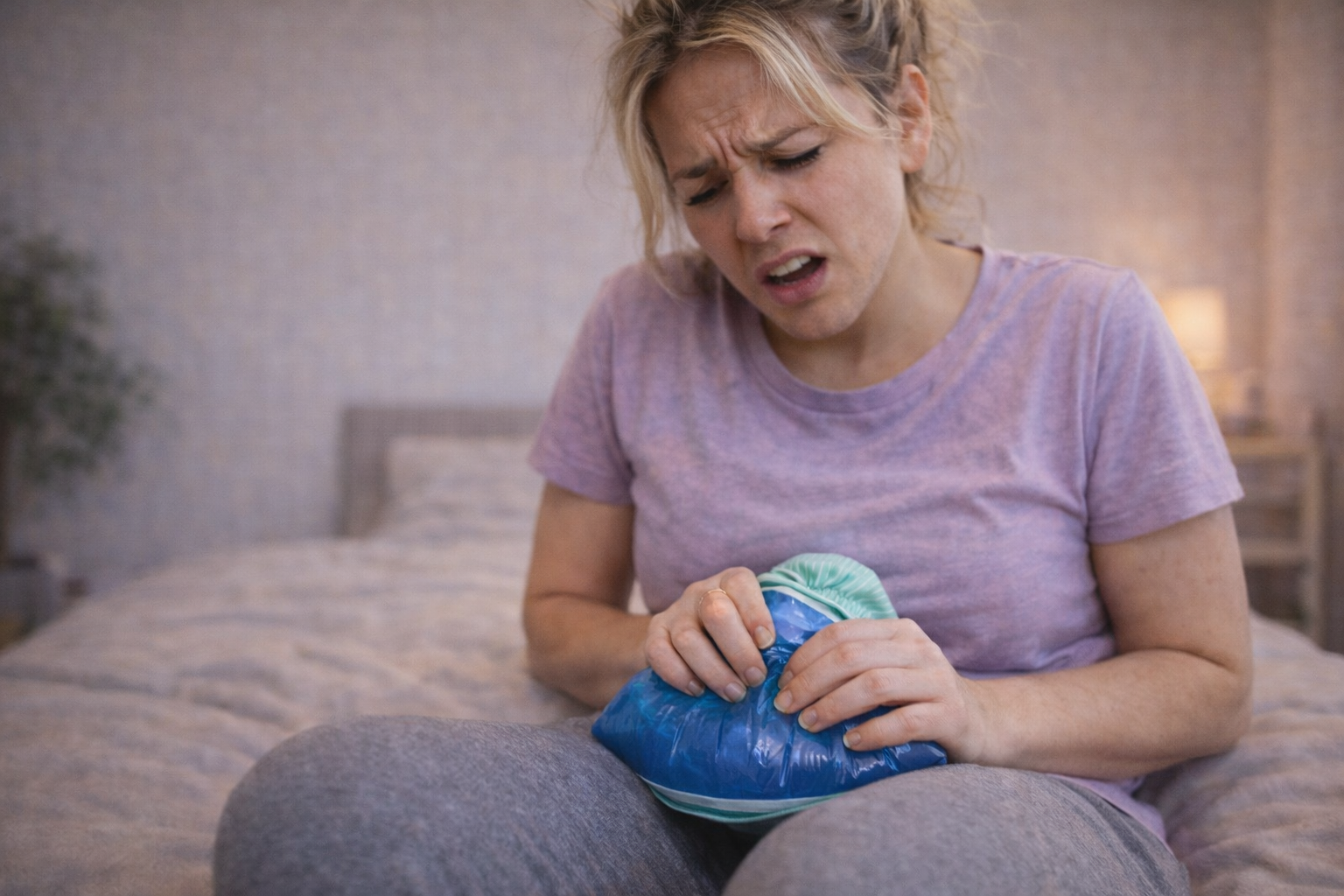
Lymphogranuloma venereum (LGV) is caused by certain strains of bacteria that affect the lymphatic system. Symptoms can include swollen lymph nodes in the groin, tenderness, inflammation, and discomfort that may interfere with daily activities.
With early medical treatment and supportive care, symptoms can often be managed effectively and complications can be prevented.
3 Practical Tips for Managing LGV Pain and Discomfort
🧠 Seek Early Medical Evaluation
Pain, swelling, or enlarged lymph nodes in the groin should be evaluated by a healthcare professional. Early testing and treatment with prescribed antibiotics can significantly reduce symptoms and prevent long-term complications.
🧊 Reduce Swelling and Irritation
Warm compresses applied gently to swollen lymph nodes may help reduce inflammation. Wearing loose, breathable clothing can also reduce friction and improve comfort.
🥗 Support Your Immune System
Staying hydrated, eating nutrient-rich foods, and getting adequate sleep can support the body during recovery and help reduce inflammation.
The Honest Reality
LGV can be uncomfortable and stressful, but it is treatable with proper medical care. Seeking early treatment and maintaining supportive self-care habits can help reduce symptoms and support recovery.
If it Hurts we can help.
If pain has taken over your sleep, your mood, or your search history, come find your people.
Join the ItHurts Community
Disclaimer: Enjoy the "Ouch Files" for the laughs and the lessons, but treat us like a supportive friend rather than a diagnostic tool. We aren't doctors, and this content is not medical advice. LGV requires diagnosis and treatment by a qualified healthcare professional.
