United States
Afghanistan
Albania
Algeria
Andorra
Angola
Argentina
Armenia
Australia
Austria
Azerbaijan
Bahrain
Bangladesh
Barbados
Belarus
Belgium
Belize
Benin
Bhutan
Bolivia
Bosnia and Herzegovina
Botswana
Brazil
Brunei
Bulgaria
Burkina Faso
Burundi
Cambodia
Cameroon
Canada
Cape Verde
Central African Republic
Chad
Chile
China
Colombia
Comoros
Congo
Costa Rica
Croatia
Cuba
Cyprus
Czech Republic
Denmark
Djibouti
Dominican Republic
Ecuador
Egypt
El Salvador
Estonia
Ethiopia
Finland
France
Gabon
Gambia
Georgia
Germany
Ghana
Greece
Guatemala
Guinea
Guyana
Haiti
Honduras
Hungary
Iceland
India
Indonesia
Iran
Iraq
Ireland
Israel
Italy
Jamaica
Japan
Jordan
Kazakhstan
Kenya
Kuwait
Kyrgyzstan
Laos
Latvia
Lebanon
Lesotho
Liberia
Libya
Lithuania
Luxembourg
Madagascar
Malawi
Malaysia
Maldives
Mali
Malta
Mauritania
Mauritius
Mexico
Moldova
Mongolia
Montenegro
Morocco
Mozambique
Myanmar
Namibia
Nepal
Netherlands
New Zealand
Nicaragua
Niger
Nigeria
Norway
Oman
Pakistan
Panama
Paraguay
Peru
Philippines
Poland
Portugal
Qatar
Romania
Russia
Rwanda
Saudi Arabia
Senegal
Serbia
Singapore
Slovakia
Slovenia
South Africa
South Korea
Spain
Sri Lanka
Sudan
Sweden
Switzerland
Syria
Taiwan
Tajikistan
Tanzania
Thailand
Turkey
Turkmenistan
Uganda
Ukraine
United Arab Emirates
United Kingdom
United States
Uruguay
Uzbekistan
Venezuela
Vietnam
Yemen
Zambia
Zimbabwe

News

Chlamydia: The Silent Squatter That Moved In Without Paying Rent

ItHurts Ouch Files: Chlamydia Edition Chlamydia: The Silent Squatter That Moved In Without Paying Rent Chlamydia is a common bacterial sexually transmitted infection that may cause pain, inflammation, or discomfort even when symptoms are mild or unnoticed. Early testing and proper treatment are key to preventing complications. Chlamydia is caused by a bacterial infection that can affect the reproductive system, urinary tract, and surrounding tissues. Many people experience mild symptoms—or none at all—which means the infection can remain unnoticed while causing inflammation or discomfort. Because symptoms can be subtle, early testing and treatment are essential to prevent complications and reduce long-term pain. 3 Practical Tips for Managing Chlamydia and Preventing Complications 🧪 Get Tested Regularly Routine testing helps detect infections early, even when symptoms are mild or absent. Early diagnosis allows treatment to begin quickly, reducing the risk of complications such as pelvic pain or reproductive health problems. 💊 Complete the Full Course of Treatment Antibiotics prescribed by a healthcare provider are effective when taken exactly as directed. Completing the full treatment course helps eliminate the infection and prevents recurrence. 🧘 Support Recovery With Rest and Hydration After treatment begins, supporting the body with adequate rest, hydration, and balanced nutrition may help reduce inflammation and allow tissues to recover more comfortably. The Honest Reality Chlamydia is common and treatable, but ignoring symptoms or delaying care can lead to complications. Seeking medical evaluation and following treatment recommendations can help restore health and prevent long-term issues. If it Hurts we can help. If pain has taken over your sleep, your mood, or your search history, come find your people. Join the ItHurts Community Disclaimer: Enjoy the “Ouch Files” for the laughs and the lessons, but treat us like a supportive friend rather than a diagnostic tool. We aren’t doctors, and this content is not medical advice. Chlamydia should be diagnosed and treated by a qualified healthcare professional.

When Your Body Files a Formal Complaint: Chancroid and the Art of Surviving Pain With Dignity (and Sarcasm)

ItHurts Ouch Files: Chancroid Edition When Your Body Files a Formal Complaint: Chancroid and the Art of Surviving Pain With Dignity Chancroid is a bacterial sexually transmitted infection that can cause painful ulcers and swelling in the genital area. Early medical care, gentle hygiene practices, and proper treatment can help reduce discomfort and support recovery. Chancroid is caused by a bacterial infection that leads to painful sores and tenderness in the genital region. Because the condition involves inflammation and skin irritation, discomfort can interfere with daily activities such as sitting, walking, or wearing tight clothing. Seeking early medical treatment and reducing additional irritation can help shorten recovery time and ease symptoms. 3 Practical Tips for Managing Chancroid Pain 🔥 Seek Medical Care Promptly If symptoms such as painful sores, swelling, or tenderness appear, professional evaluation is essential. Early treatment with appropriate medication can help eliminate the infection and reduce pain more quickly. 🛁 Reduce Skin Irritation Keeping the affected area clean and dry can help reduce inflammation. Wearing loose, breathable clothing and avoiding fragranced soaps or harsh cleansers may prevent additional irritation. 🧠 Support Recovery With Rest and Hydration Adequate rest and hydration help the body recover while the infection is being treated. Reducing stress may also help decrease overall discomfort and support healing. The Honest Reality Although chancroid can be painful and uncomfortable, it is treatable with proper medical care. Prompt diagnosis and treatment can significantly reduce symptoms and help prevent complications. If it Hurts we can help. If pain has taken over your sleep, your mood, or your search history, come find your people. Join the ItHurts Community Disclaimer: Enjoy the “Ouch Files” for the laughs and the lessons, but treat us like a supportive friend rather than a diagnostic tool. We aren’t doctors, and this content is not medical advice. Chancroid requires diagnosis and treatment by qualified healthcare professionals.

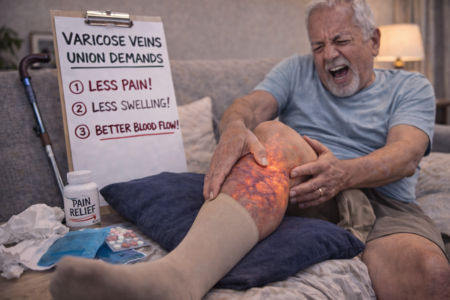
Your Legs Didn’t “Get Old.” They Unionized. A Survival Guide for Varicose Veins

ItHurts Ouch Files: Varicose Veins Edition Your Legs Didn’t “Get Old.” They Unionized. A Survival Guide for Varicose Veins Varicose veins occur when weakened vein walls allow blood to pool, causing swelling, aching, and visible vein changes. Elevation, compression, and regular movement may help reduce discomfort and improve circulation. Varicose veins develop when the valves inside veins weaken and blood begins to pool instead of flowing efficiently back to the heart. This can lead to visible bulging veins, aching legs, swelling, and heaviness—especially after long periods of standing or sitting. While medical treatment may be necessary in some cases, certain daily habits can help reduce pressure on veins and improve circulation. 3 Practical Tips for Managing Varicose Vein Pain 🦵 Elevate Your Legs Raising your legs above heart level for 15–20 minutes can help reduce pressure in the veins and improve blood flow back toward the heart. Doing this once or twice a day may help relieve heaviness and swelling. 🧦 Use Compression Stockings Graduated compression socks apply gentle pressure that supports vein walls and encourages healthy circulation. They can be particularly helpful for people who spend long periods sitting or standing. 🚶 Stay Physically Active Low-impact activities such as walking, swimming, or cycling help activate leg muscles, which assist veins in pushing blood upward. Regular movement can reduce blood pooling and improve overall circulation. The Honest Reality Varicose veins can be uncomfortable, but early lifestyle adjustments and medical consultation can significantly improve symptoms. If swelling, pain, or skin changes worsen, professional evaluation is recommended to prevent complications. If it Hurts we can help. If pain has taken over your sleep, your mood, or your search history, come find your people. Join the ItHurts Community Disclaimer: Enjoy the “Ouch Files” for the laughs and the lessons, but treat us like a supportive friend rather than a diagnostic tool. We aren’t doctors, and this content is not medical advice. Varicose veins should be evaluated by a qualified healthcare professional if symptoms are severe or worsening.

Your Uterus Is Freelancing Without Permission: A Survival Guide for Fibroids

ItHurts Ouch Files: Uterine Fibroids Edition Your Uterus Is Freelancing Without Permission: A Survival Guide for Fibroids Uterine fibroids are noncancerous growths that can cause pelvic pain, pressure, heavy periods, and bloating. Managing inflammation, using heat therapy, and tracking symptoms may help reduce discomfort and guide treatment decisions. Uterine fibroids are common growths that develop in or around the uterus. While many people experience mild symptoms, others may feel significant pelvic pressure, heavy menstrual bleeding, and abdominal discomfort. Although medical evaluation is important for diagnosis and treatment planning, several everyday strategies may help reduce inflammation and manage fibroid-related discomfort. 3 Practical Tips for Managing Fibroid Pain 🥗 Support an Anti-Inflammatory Diet Eating foods that help reduce inflammation may support overall reproductive health. Leafy greens, berries, fatty fish, turmeric, and ginger are commonly included in anti-inflammatory diets. Limiting ultra-processed foods, excess sugar, and alcohol may also help reduce pelvic discomfort. 🔥 Use Heat Therapy for Pelvic Pain Heating pads applied to the lower abdomen or back for 20–30 minutes can help relax uterine muscles and improve circulation. Warm baths may also help reduce cramping and pelvic tension during symptom flare-ups. 📊 Track Symptoms and Patterns Recording pain levels, bleeding patterns, bloating, and menstrual cycle timing can help identify symptom triggers. Sharing this information with a healthcare provider may support more personalized treatment decisions. The Honest Reality Fibroid symptoms can vary from mild to disruptive. With proper medical care, lifestyle adjustments, and symptom awareness, many people are able to manage discomfort and maintain a good quality of life. If it Hurts we can help. If pain has taken over your sleep, your mood, or your search history, come find your people. Join the ItHurts Community Disclaimer: Enjoy the “Ouch Files” for the laughs and the lessons, but treat us like a supportive friend rather than a diagnostic tool. We aren’t doctors, and this content is not medical advice. Uterine fibroids should be evaluated and treated by a qualified healthcare professional.

Your Thyroid Called. It Wants Its Drama Back.

ItHurts Ouch Files: Thyroid Cancer Edition Your Thyroid Called. It Wants Its Drama Back. Thyroid cancer and its treatments can affect energy levels, metabolism, mood, and physical comfort. Managing hormone balance, sleep, and gentle movement may help reduce pain and fatigue during recovery. The thyroid plays a key role in regulating metabolism, energy levels, and body temperature. When thyroid cancer or its treatment affects this gland, many people experience fatigue, muscle aches, mood shifts, and changes in how their body responds to stress. While medical treatment is essential, daily habits can also help support the body during recovery and reduce discomfort associated with hormone changes. 3 Practical Tips for Managing Thyroid Cancer Symptoms 🧠 Maintain Consistent Hormone Management Taking prescribed thyroid medication at the same time every day helps maintain stable hormone levels. Tracking symptoms such as fatigue, cold sensitivity, joint pain, or brain fog can help doctors adjust treatment when needed. 💤 Prioritize Rest and Sleep Sleep supports hormone regulation and recovery. Maintaining a consistent sleep schedule, creating a calm bedtime routine, and ensuring a comfortable sleep environment can help reduce fatigue and improve overall well-being. 🧘 Move Gently and Consistently Light physical activity such as walking, stretching, or gentle yoga may help improve circulation and reduce joint stiffness. Short sessions of movement are often more effective than intense workouts during recovery. The Honest Reality Thyroid cancer can affect both physical health and emotional well-being. Working closely with healthcare professionals, maintaining consistent treatment routines, and connecting with supportive communities can help people navigate recovery with greater confidence and comfort. If it Hurts we can help. If pain has taken over your sleep, your mood, or your search history, come find your people. Join the ItHurts Community Disclaimer: Enjoy the “Ouch Files” for the laughs and the lessons, but treat us like a supportive friend rather than a diagnostic tool. We aren’t doctors, and this content is not medical advice. Thyroid cancer requires diagnosis and treatment by qualified healthcare professionals.

When the Family Jewels Declare a Hostile Takeover: A Survival Guide to Testicular Torsion

ItHurts Ouch Files: Testicular Torsion Edition When the Family Jewels Declare a Hostile Takeover: A Survival Guide to Testicular Torsion Testicular torsion is a medical emergency where the spermatic cord twists and cuts off blood supply to the testicle. Immediate medical care is critical to prevent permanent damage. Testicular torsion occurs when the spermatic cord twists, restricting blood flow to the testicle. This condition often causes sudden and severe pain and requires immediate medical attention. Recognizing the warning signs and acting quickly can significantly improve outcomes and reduce the risk of permanent damage. 3 Critical Steps If Testicular Torsion Is Suspected 🚨 Treat Sudden Testicular Pain as an Emergency Severe, sudden pain in one testicle—especially when accompanied by swelling, nausea, or the testicle sitting higher than usual—should be treated as a medical emergency. Immediate evaluation at an emergency department is essential. ⏱️ Act Quickly Time plays a crucial role in treatment success. When the spermatic cord twists, blood flow is restricted, and tissue damage can occur within hours. Rapid medical care greatly increases the chance of saving the affected testicle. ❗ Avoid Self-Treatment Attempts Applying ice, attempting to manually adjust the testicle, or delaying care can worsen the situation. Testicular torsion requires evaluation and treatment by medical professionals, often involving urgent surgical correction. The Honest Reality Although testicular torsion can be frightening, prompt medical treatment often leads to excellent outcomes. Recognizing symptoms early and seeking immediate care can make a critical difference. If it Hurts we can help. If pain has taken over your sleep, your mood, or your search history, come find your people. Join the ItHurts Community Disclaimer: Enjoy the “Ouch Files” for the laughs and the lessons, but treat us like a supportive friend rather than a diagnostic tool. We aren’t doctors, and this content is not medical advice. Testicular torsion is a medical emergency that requires immediate professional care.