ItHurts Ouch Files: Non-Hodgkin Lymphoma Edition Non-Hodgkin Lymphoma: When Your Lymph Nodes Start Freelancing Without Your Consent A practical survival guide for managing lymphoma-related discomfort, fatigue, and the unexpected chaos of your immune system going off-script. Non-Hodgkin lymphoma (NHL) affects the lymphatic system, an important part of the immune system that helps the body fight infection. When lymphoma develops, lymph nodes may become enlarged or inflamed, which can cause discomfort, pressure, fatigue, and persistent aches. People living with NHL often experience symptoms that affect energy levels, sleep, and daily activities. Managing pain and fatigue requires medical care, but supportive strategies may help improve comfort and daily functioning. 3 Practical Strategies That May Help Manage Non-Hodgkin Lymphoma Pain 🧊 Reduce Inflammation and Swelling Swollen lymph nodes can cause pressure and localized discomfort. Using cold packs for 10–15 minutes, staying hydrated, and including anti-inflammatory foods such as berries, fatty fish, turmeric, and leafy greens may help reduce inflammation. 😴 Manage Fatigue and Rest Strategically Fatigue associated with lymphoma can intensify physical discomfort. Taking short rest breaks, maintaining consistent sleep schedules, and practicing relaxation techniques such as breathing exercises may help regulate the nervous system. 🧠 Support Mental and Emotional Coping Chronic illness affects emotional wellbeing as well as physical health. Listening to music, audiobooks, practicing mindfulness, and connecting with supportive communities may help reduce stress and improve wellbeing. You Are Not Alone Living with lymphoma pain can feel overwhelming at times. Support from healthcare professionals, family members, and communities can help people cope with the physical and emotional challenges of chronic illness. If it Hurts we can help. If pain has taken over your sleep, your mood, or your search history, come find your people. Join the ItHurts Community Disclaimer: Enjoy the “Ouch Files” for the laughs and the lessons, but treat us like a witty friend rather than a diagnostic tool. We aren’t doctors, and this content is not medical advice. If symptoms worsen or persist, consult a qualified healthcare professional.
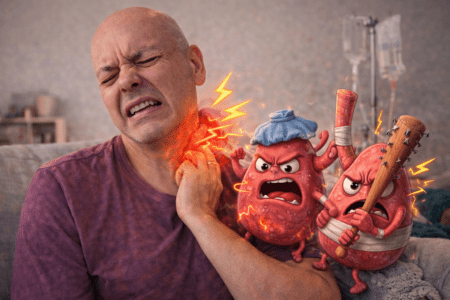
ItHurts Ouch Files: Hodgkin Lymphoma Edition Your Lymph Nodes Have Joined a Fight Club (and You Didn’t Sign the Waiver) A Hodgkin lymphoma survival guide with jokes, practical tips, and a reminder that your body deserves patience and support. Your lymph nodes are an important part of your immune system, helping filter harmful substances and fight infections. In Hodgkin lymphoma, these lymph nodes may become enlarged and inflamed, which can lead to pain, fatigue, and general discomfort. People living with Hodgkin lymphoma often experience pressure, swelling, unusual aches, and fatigue that can affect daily activities. Managing symptoms involves medical care, but supportive habits can also help reduce discomfort and improve overall wellbeing. 3 Practical Tips That May Help Manage Hodgkin Lymphoma Pain 🧊 Reduce Swelling and Inflammation Swollen lymph nodes can create pressure and localized discomfort. Use cool compresses on swollen areas for 10–15 minutes and repeat several times during the day if helpful. Comfortable positioning and support around the affected area may also reduce pressure. 🧠 Manage Fatigue Carefully Fatigue related to lymphoma can significantly impact physical comfort and energy levels. Break activities into smaller tasks, allow regular rest periods, and prioritize important activities during higher-energy times of the day. 💆 Gentle Movement May Reduce Stiffness Remaining completely inactive for long periods may increase stiffness and discomfort. Practice light stretching or slow walking and focus on gentle movement instead of intense exercise. You Are Not Alone Living with Hodgkin lymphoma can feel overwhelming at times. Support from healthcare providers, family, and communities can make a meaningful difference in coping with chronic illness and pain. If it Hurts we can help. If pain has taken over your sleep, your mood, or your search history, come find your people. Join the ItHurts Community Disclaimer: Enjoy the “Ouch Files” for the laughs and the lessons, but treat us like a witty friend rather than a diagnostic tool. We aren’t doctors, and this content is not medical advice. If symptoms worsen or persist, consult a qualified healthcare professional.
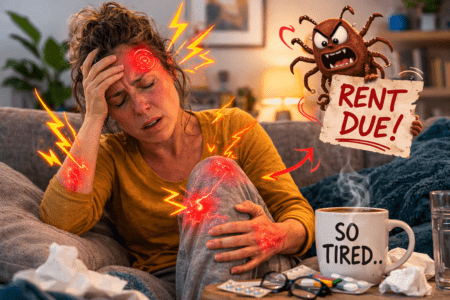
ItHurts Ouch Files: Lyme Disease Edition Lyme Disease: When a Tick Ruins Your Life and Then Asks for Rent A tiny tick bite can lead to big symptoms. Lyme disease may bring joint pain, fatigue, nerve discomfort, and brain fog that make everyday life feel unexpectedly difficult. Lyme disease begins with a tick bite, but for many people the symptoms can persist long after the bite itself disappears. Joint pain, fatigue, nerve irritation, and cognitive fog are commonly reported by people dealing with Lyme-related illness. Symptoms may appear in cycles, making daily activities unpredictable and frustrating. While proper medical care is essential, supportive lifestyle habits may help reduce inflammation and improve overall comfort. 3 Practical Tips That May Help Manage Lyme Disease Symptoms 🥦 Focus on Anti-Inflammatory Nutrition Inflammation can contribute to joint pain and fatigue. Many people benefit from eating foods such as leafy greens, berries, fatty fish, turmeric, and ginger while limiting processed foods, sugar, and alcohol. 🚶 Choose Gentle Movement Over Intense Exercise Overexertion can worsen fatigue for some people with Lyme disease. Short walks, stretching, or light mobility exercises may help maintain flexibility without triggering symptom flare-ups. 🧘 Support Nervous System Balance Stress and poor sleep may intensify pain and fatigue. Consistent sleep routines, breathing exercises, and limiting excessive screen time can help calm the nervous system and improve recovery. Living with Lyme disease can feel isolating at times, but support from healthcare professionals, loved ones, and chronic illness communities can make a meaningful difference. If it Hurts we can help. If pain has taken over your sleep, your mood, or your search history, come find your people. Join the ItHurts Community Disclaimer: Enjoy the “Ouch Files” for the laughs and the lessons, but treat us like a witty friend rather than a diagnostic tool. We aren’t doctors, and this content is not medical advice. Lyme disease requires professional medical evaluation and treatment. If symptoms persist or worsen, consult a qualified healthcare professional.
ItHurts Ouch Files: Lupus Edition Lupus: When Your Immune System Chooses Violence Instead of Teamwork Lupus occurs when the immune system mistakenly attacks healthy tissue, causing inflammation, fatigue, joint pain, and unpredictable symptom flares that can affect everyday life. Lupus is an autoimmune condition where the immune system becomes overactive and targets healthy tissues instead of protecting them from infection. People living with lupus may experience joint pain, fatigue, inflammation, skin symptoms, and unpredictable flare-ups. Symptoms can vary from day to day and may affect energy levels, comfort, and daily routines. Medical treatment plays the most important role in managing lupus, but supportive lifestyle habits may help reduce flare intensity and improve overall wellbeing. 3 Practical Tips That May Help Manage Lupus Symptoms 🛑 Pace Activities Carefully Lupus symptoms can worsen when the body becomes overexerted. Breaking tasks into smaller time blocks, resting before fatigue becomes severe, and prioritizing important activities during higher-energy periods may help prevent symptom flare-ups. 🌞 Protect Yourself From UV Exposure Sunlight and ultraviolet (UV) exposure can trigger lupus flares in some individuals. Wearing protective clothing, using broad-spectrum sunscreen, and limiting prolonged sun exposure may help reduce flare risk. 🧠 Support Stress Management Stress can influence immune activity and inflammation. Gentle movement, breathing exercises, relaxation techniques, and regular rest periods may help support emotional balance and reduce symptom intensity. Living with lupus can sometimes feel isolating, especially when symptoms are unpredictable. Support from healthcare providers, family, and chronic illness communities can make a meaningful difference. If it Hurts we can help. If pain has taken over your sleep, your mood, or your search history, come find your people. Join the ItHurts Community Disclaimer: Enjoy the “Ouch Files” for the laughs and the lessons, but treat us like a witty friend rather than a diagnostic tool. We aren’t doctors, and this content is not medical advice. Lupus is a serious autoimmune condition that requires diagnosis and treatment by qualified healthcare professionals. Always consult a healthcare provider regarding symptoms and treatment options.
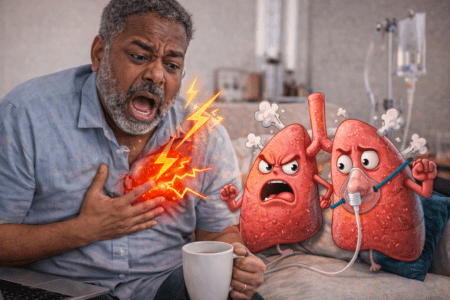
ItHurts Ouch Files: Lung Cancer Edition Your Lungs Are Not Drama Queens—They’re Sending an SOS (Please Stop Ghosting Them) Lung cancer symptoms can affect breathing, chest comfort, energy levels, and overall wellbeing. Listening to the body and managing symptoms carefully can help support daily comfort during treatment. Lung cancer pain and breathing discomfort can make everyday activities more difficult. Chest pressure, fatigue, and shortness of breath are common challenges reported by many people living with lung conditions. While medical treatment is essential, certain supportive habits may help improve comfort and reduce stress on the lungs. 3 Practical Tips That May Help Manage Lung Cancer Symptoms 🫁 Practice Controlled Breathing Techniques such as pursed-lip breathing—slowly inhaling through the nose and exhaling through gently pursed lips—may help control breathing and reduce breathlessness during periods of discomfort. 🧠 Reduce Physical and Emotional Stress Relaxation techniques, gentle stretching of the chest and upper back, and heat packs for muscle tension may help calm the nervous system and reduce pain signals. 📋 Communicate Symptoms With Your Care Team Tracking pain patterns, reporting symptoms early, and discussing treatment options with healthcare professionals helps ensure appropriate pain management and supportive care. Support from healthcare providers, caregivers, and communities can make a meaningful difference when managing serious health conditions. If it Hurts we can help. If pain has taken over your sleep, your mood, or your search history, come find your people. Join the ItHurts Community Disclaimer: Enjoy the “Ouch Files” for the laughs and the lessons, but treat us like a witty friend rather than a diagnostic tool. We aren’t doctors, and this content is not medical advice. Lung cancer symptoms require evaluation and treatment by qualified healthcare professionals. Always consult your healthcare provider regarding diagnosis and treatment options.
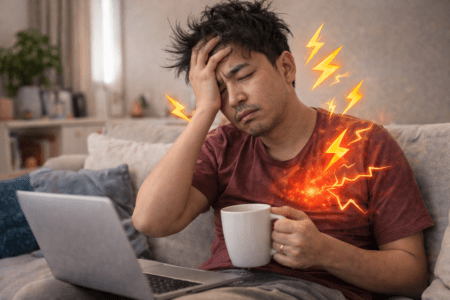
ItHurts Ouch Files: Long COVID Edition Long COVID: When the Virus Left but the Pain Subscribed to the Premium Plan For some people, COVID-19 symptoms don’t completely disappear after the initial infection. Long COVID can include persistent fatigue, brain fog, body pain, and reduced physical endurance that may affect daily life for weeks or months. Long COVID refers to ongoing symptoms that continue after the initial COVID-19 infection has resolved. Many individuals experience fatigue, difficulty concentrating, muscle pain, shortness of breath, and reduced stamina that can make everyday activities more challenging. Researchers are still studying why Long COVID occurs, but symptoms may involve inflammation, nervous system changes, or immune responses that take time to stabilize. 3 Practical Tips That May Help Manage Long COVID Symptoms 🔋 Pace Your Energy Carefully Fatigue is one of the most common Long COVID symptoms. Breaking tasks into smaller steps, scheduling rest periods, and avoiding overexertion can help prevent symptom flare-ups that may last for several days. 🧠 Support Nervous System Recovery Relaxation techniques such as slow breathing, meditation, and maintaining a regular sleep routine may help calm the nervous system and improve overall symptom management. 🚶 Choose Gentle Movement Over Intense Exercise Low-impact activities like light stretching or slow walking may help maintain circulation and mobility. Gradually increasing activity levels while monitoring symptoms can help avoid excessive fatigue. Living with Long COVID can feel isolating, especially when symptoms fluctuate or remain invisible to others. Supportive communities and shared experiences can help individuals better understand and navigate persistent symptoms. If it Hurts we can help. If pain has taken over your sleep, your mood, or your search history, come find your people. Join the ItHurts Community Disclaimer: Enjoy the “Ouch Files” for the laughs and the lessons, but treat us like a witty friend rather than a diagnostic tool. We aren’t doctors, and this content is not medical advice. Long COVID symptoms can vary widely and may require evaluation by healthcare professionals. If symptoms persist, worsen, or interfere with daily life, consult a qualified medical provider.
Afghanistan
Albania
Algeria
Andorra
Angola
Argentina
Armenia
Australia
Austria
Azerbaijan
Bahrain
Bangladesh
Barbados
Belarus
Belgium
Belize
Benin
Bhutan
Bolivia
Bosnia and Herzegovina
Botswana
Brazil
Brunei
Bulgaria
Burkina Faso
Burundi
Cambodia
Cameroon
Canada
Cape Verde
Central African Republic
Chad
Chile
China
Colombia
Comoros
Congo
Costa Rica
Croatia
Cuba
Cyprus
Czech Republic
Denmark
Djibouti
Dominican Republic
Ecuador
Egypt
El Salvador
Estonia
Ethiopia
Finland
France
Gabon
Gambia
Georgia
Germany
Ghana
Greece
Guatemala
Guinea
Guyana
Haiti
Honduras
Hungary
Iceland
India
Indonesia
Iran
Iraq
Ireland
Israel
Italy
Jamaica
Japan
Jordan
Kazakhstan
Kenya
Kuwait
Kyrgyzstan
Laos
Latvia
Lebanon
Lesotho
Liberia
Libya
Lithuania
Luxembourg
Madagascar
Malawi
Malaysia
Maldives
Mali
Malta
Mauritania
Mauritius
Mexico
Moldova
Mongolia
Montenegro
Morocco
Mozambique
Myanmar
Namibia
Nepal
Netherlands
New Zealand
Nicaragua
Niger
Nigeria
Norway
Oman
Pakistan
Panama
Paraguay
Peru
Philippines
Poland
Portugal
Qatar
Romania
Russia
Rwanda
Saudi Arabia
Senegal
Serbia
Singapore
Slovakia
Slovenia
South Africa
South Korea
Spain
Sri Lanka
Sudan
Sweden
Switzerland
Syria
Taiwan
Tajikistan
Tanzania
Thailand
Turkey
Turkmenistan
Uganda
Ukraine
United Arab Emirates
United Kingdom
United States
Uruguay
Uzbekistan
Venezuela
Vietnam
Yemen
Zambia
Zimbabwe