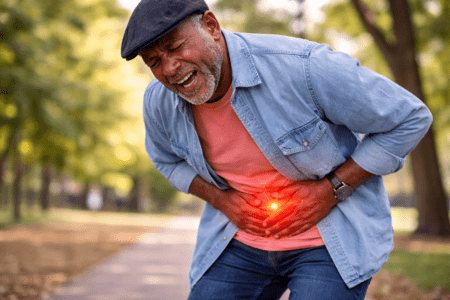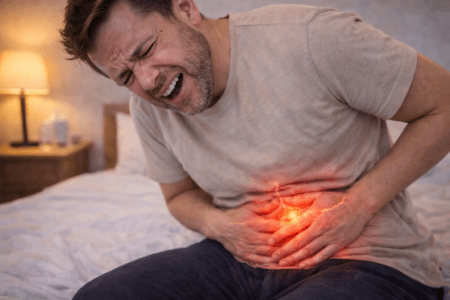
ItHurts Ouch Files: Bladder Cancer Edition When Bladder Pain and Urinary Symptoms Disrupt Daily Life Bladder cancer may cause pelvic pressure, burning during urination, frequent urination, and discomfort in the lower abdomen. Bladder cancer develops when abnormal cells grow in the lining of the bladder. Symptoms may include pelvic discomfort, pressure in the lower abdomen, burning during urination, or increased urinary frequency. While medical treatment is essential, certain supportive strategies may help reduce irritation and improve daily comfort. 3 Practical Tips That May Help Reduce Bladder Discomfort 💧 Maintain Steady Hydration Drinking small amounts of water consistently throughout the day may help dilute urine and reduce irritation of the bladder lining. 🕒 Practice Bladder Training Scheduling bathroom visits and gradually increasing the time between urination may help improve bladder control and reduce urgency. 🔥 Use Heat and Comfortable Positioning Warm compresses and relaxed body positioning may help reduce pelvic tension and ease pressure in the lower abdomen. Combining supportive habits with proper medical care may help individuals better manage bladder discomfort during treatment. If it Hurts we can help. If pain has taken over your sleep, your mood, or your search history, come find your people. Join the ItHurts Community Disclaimer: Enjoy the “Ouch Files” for the laughs and the lessons, but treat us like a witty friend rather than a diagnostic tool. We aren’t doctors, and this content is not medical advice. Bladder cancer requires evaluation and treatment by qualified healthcare professionals. Always consult your doctor or oncologist for proper diagnosis and care.
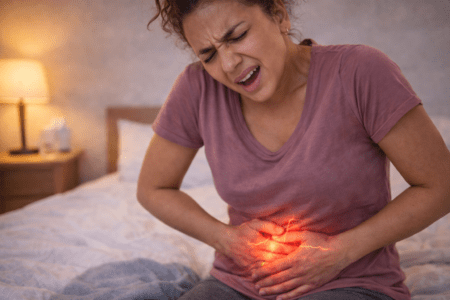
ItHurts Ouch Files: Acute Cystitis Edition When Your Bladder Sends Urgent Messages Every Five Minutes Acute cystitis is a bladder infection that can cause burning during urination, pelvic pressure, frequent urges to urinate, and lower abdominal discomfort. Acute cystitis is most commonly caused by bacteria entering the bladder and triggering inflammation in the bladder lining. The irritation can lead to symptoms such as burning during urination, frequent bathroom visits, pelvic pressure, and discomfort in the lower abdomen. 3 Practical Tips That May Help Ease Bladder Discomfort 💧 Stay Well Hydrated Drinking water regularly may help dilute urine and flush bacteria from the bladder, which can reduce irritation and discomfort. 🚫 Avoid Bladder Irritants During flare-ups, reducing caffeine, alcohol, spicy foods, and acidic drinks may help prevent additional irritation of the bladder lining. 🔥 Use Gentle Heat for Pelvic Comfort Applying a warm heating pad to the lower abdomen may help relax muscles and reduce pressure or cramping associated with bladder irritation. Supportive habits may help improve comfort while medical treatment addresses the infection. If it Hurts we can help. If pain has taken over your sleep, your mood, or your search history, come find your people. Join the ItHurts Community Disclaimer: Enjoy the “Ouch Files” for the laughs and the lessons, but treat us like a witty friend rather than a diagnostic tool. We aren’t doctors, and this content is not medical advice. Acute cystitis may require medical treatment. If symptoms persist, worsen, or include fever or back pain, consult a qualified healthcare professional.
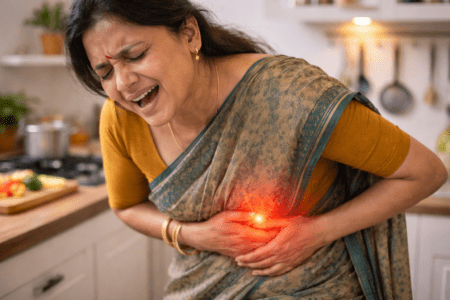
ItHurts Ouch Files: Adenomyosis Edition When the Uterus Causes Severe Pelvic Pain and Heavy Periods Adenomyosis occurs when uterine lining tissue grows into the muscular wall of the uterus, often leading to heavy bleeding, severe menstrual cramps, and pelvic pressure. Adenomyosis develops when tissue that normally lines the uterus grows into the uterine muscle wall. This can cause inflammation, swelling, and significant pelvic discomfort. People with adenomyosis often experience heavy or prolonged menstrual bleeding, severe cramps, pelvic pressure, and bloating. In some cases, the uterus may enlarge and contribute to lower abdominal or back pain. 3 Practical Tips That May Help Manage Adenomyosis Symptoms 🥗 Support the Body With Anti-Inflammatory Foods Eating nutrient-rich foods such as leafy greens, berries, fatty fish, and whole grains may help support overall health and reduce inflammation that contributes to pelvic discomfort. 🔥 Use Heat Therapy for Pelvic Pain Applying a heating pad or warm compress to the lower abdomen or lower back for short periods may help relax muscles and reduce cramping during painful flare-ups. 📒 Track Pain and Cycle Patterns Keeping a simple record of menstrual cycles, bleeding patterns, and pain intensity may help identify triggers and provide useful information during medical consultations. Working closely with healthcare professionals can help individuals develop a personalized approach to managing adenomyosis symptoms. If it Hurts we can help. If pain has taken over your sleep, your mood, or your search history, come find your people. Join the ItHurts Community Disclaimer: Enjoy the “Ouch Files” for the laughs and the lessons, but treat us like a witty friend rather than a diagnostic tool. We aren’t doctors, and this content is not medical advice. If pelvic pain, heavy bleeding, or menstrual symptoms become severe or interfere with daily life, consult a qualified healthcare professional for proper diagnosis and treatment.
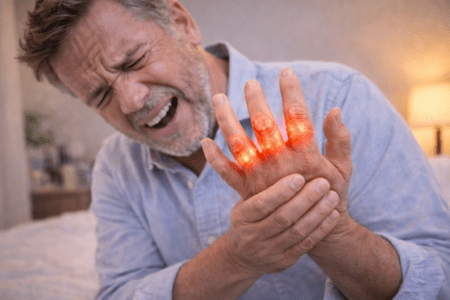
ItHurts Ouch Files: Arthritis Edition When Your Joints Protest Every Movement Arthritis is a common condition that causes joint pain, stiffness, swelling, and reduced mobility due to inflammation within the joints. Arthritis affects millions of people worldwide and can impact joints throughout the body, including the knees, hips, hands, and spine. While there are many forms of arthritis, most involve inflammation that leads to stiffness, discomfort, and difficulty performing everyday tasks. 3 Practical Tips That May Help Manage Arthritis Symptoms 🚶 Stay Active With Gentle Movement Activities such as walking, swimming, stretching, or yoga may help maintain joint flexibility and strengthen muscles that support the joints. 🔥❄️ Use Heat and Cold Therapy Warm compresses can help relax stiff joints, while cold packs may help reduce swelling and inflammation during flare-ups. 🥗 Support Joint Health With Balanced Nutrition Foods rich in omega-3 fatty acids, leafy greens, berries, and healthy oils may help support overall joint health and reduce inflammation. Combining healthy habits with appropriate medical care can help people living with arthritis maintain mobility and improve quality of life. If it Hurts we can help. If pain has taken over your sleep, your mood, or your search history, come find your people. Join the ItHurts Community Disclaimer: Enjoy the “Ouch Files” for the laughs and the lessons, but treat us like a witty friend rather than a diagnostic tool. We aren’t doctors, and this content is not medical advice. If joint pain, swelling, or stiffness persists or worsens, consult a qualified healthcare professional for proper evaluation and treatment.
ItHurts Ouch Files: Appendicitis Edition When Abdominal Pain Signals a Medical Emergency Appendicitis occurs when the appendix becomes inflamed and infected, often causing severe abdominal pain that requires immediate medical attention. Appendicitis develops when the appendix, a small pouch attached to the large intestine, becomes blocked and inflamed. The condition can worsen quickly and may become dangerous if the appendix ruptures. Pain often begins near the belly button and gradually moves to the lower right side of the abdomen, becoming sharper over time. 3 Important Actions if Appendicitis Is Suspected ⚠️ Take Sudden Abdominal Pain Seriously Increasing abdominal pain, nausea, vomiting, fever, or pain that worsens with movement may signal appendicitis and should not be ignored. 🛌 Limit Activity and Avoid Food Resting and avoiding eating or drinking may help reduce irritation until a medical professional evaluates the symptoms. 🏥 Seek Immediate Medical Care Appendicitis is a medical emergency. Early diagnosis and treatment, often involving surgery and antibiotics, greatly reduce the risk of complications. Prompt medical attention is essential if appendicitis is suspected. If it Hurts we can help. If pain has taken over your sleep, your mood, or your search history, come find your people. Join the ItHurts Community Disclaimer: Enjoy the “Ouch Files” for the laughs and the lessons, but treat us like a witty friend rather than a diagnostic tool. We aren’t doctors, and this content is not medical advice. Appendicitis can be a serious medical emergency. If severe abdominal pain, fever, nausea, or worsening symptoms occur, seek immediate medical attention.
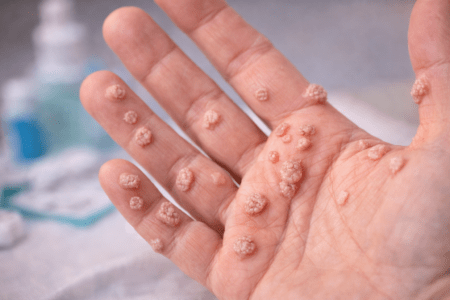
ItHurts Ouch Files: Warts Edition Warts: When Your Skin Decides to Start a Tiny, Unpaid Side Hustle Warts are small skin growths caused by the human papillomavirus (HPV) that can appear on the hands, feet, fingers, or around the nails. Warts develop when HPV enters the skin through small cuts or breaks. The virus causes excess skin growth, forming the rough bumps commonly seen on fingers, hands, or feet. Although warts are generally harmless, they may cause discomfort when located on pressure points or may spread to nearby areas if the virus transfers to surrounding skin. 3 Practical Tips That May Help Manage Warts 🧴 Use Wart Treatments Consistently Over-the-counter salicylic acid treatments gradually remove thickened wart tissue when applied regularly according to instructions. 🧼 Prevent the Virus From Spreading Cover the wart when possible, wash hands after touching it, and avoid sharing personal items like towels, razors, or footwear. 👟 Reduce Pressure on Painful Warts Cushioned pads, supportive shoes, and avoiding walking barefoot on hard surfaces can help reduce irritation and discomfort. Consistent treatment and proper hygiene can help limit spread and improve comfort while the skin heals. If it Hurts we can help. If pain has taken over your sleep, your mood, or your search history, come find your people. Join the ItHurts Community Disclaimer: Enjoy the “Ouch Files” for the laughs and the lessons, but treat us like a witty friend rather than a diagnostic tool. We aren’t doctors, and this content is not medical advice. If a wart becomes painful, spreads rapidly, bleeds, changes appearance, or does not respond to treatment, consult a qualified healthcare professional.
Afghanistan
Albania
Algeria
Andorra
Angola
Argentina
Armenia
Australia
Austria
Azerbaijan
Bahrain
Bangladesh
Barbados
Belarus
Belgium
Belize
Benin
Bhutan
Bolivia
Bosnia and Herzegovina
Botswana
Brazil
Brunei
Bulgaria
Burkina Faso
Burundi
Cambodia
Cameroon
Canada
Cape Verde
Central African Republic
Chad
Chile
China
Colombia
Comoros
Congo
Costa Rica
Croatia
Cuba
Cyprus
Czech Republic
Denmark
Djibouti
Dominican Republic
Ecuador
Egypt
El Salvador
Estonia
Ethiopia
Finland
France
Gabon
Gambia
Georgia
Germany
Ghana
Greece
Guatemala
Guinea
Guyana
Haiti
Honduras
Hungary
Iceland
India
Indonesia
Iran
Iraq
Ireland
Israel
Italy
Jamaica
Japan
Jordan
Kazakhstan
Kenya
Kuwait
Kyrgyzstan
Laos
Latvia
Lebanon
Lesotho
Liberia
Libya
Lithuania
Luxembourg
Madagascar
Malawi
Malaysia
Maldives
Mali
Malta
Mauritania
Mauritius
Mexico
Moldova
Mongolia
Montenegro
Morocco
Mozambique
Myanmar
Namibia
Nepal
Netherlands
New Zealand
Nicaragua
Niger
Nigeria
Norway
Oman
Pakistan
Panama
Paraguay
Peru
Philippines
Poland
Portugal
Qatar
Romania
Russia
Rwanda
Saudi Arabia
Senegal
Serbia
Singapore
Slovakia
Slovenia
South Africa
South Korea
Spain
Sri Lanka
Sudan
Sweden
Switzerland
Syria
Taiwan
Tajikistan
Tanzania
Thailand
Turkey
Turkmenistan
Uganda
Ukraine
United Arab Emirates
United Kingdom
United States
Uruguay
Uzbekistan
Venezuela
Vietnam
Yemen
Zambia
Zimbabwe