

ItHurts Ouch Files: Adenomyosis Edition
When the Uterus Causes Severe Pelvic Pain and Heavy Periods
Adenomyosis occurs when uterine lining tissue grows into the muscular wall of the uterus, often leading to heavy bleeding, severe menstrual cramps, and pelvic pressure.
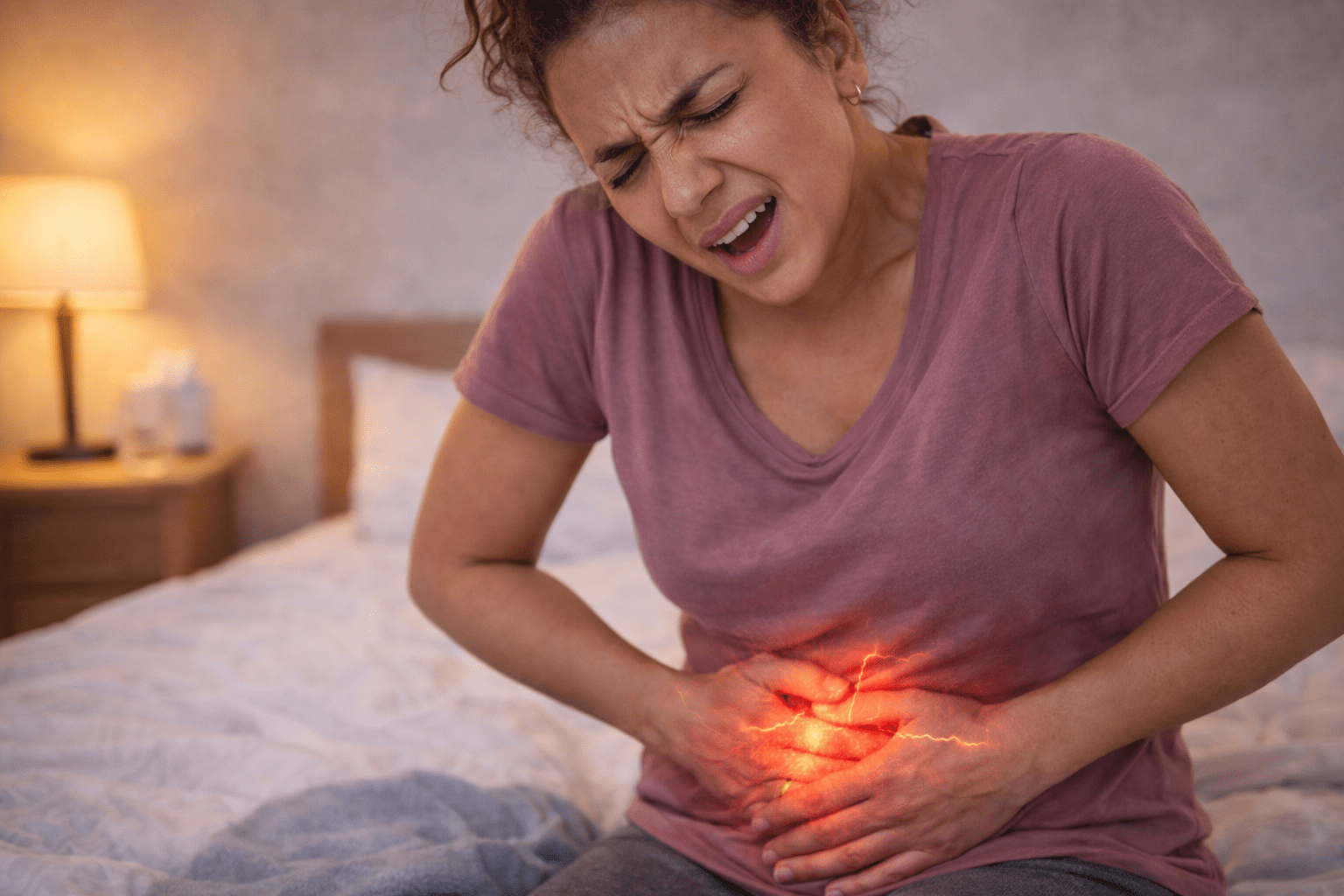
Adenomyosis develops when tissue that normally lines the uterus grows into the uterine muscle wall. This can cause inflammation, swelling, and significant pelvic discomfort.
People with adenomyosis often experience heavy or prolonged menstrual bleeding, severe cramps, pelvic pressure, and bloating. In some cases, the uterus may enlarge and contribute to lower abdominal or back pain.
3 Practical Tips That May Help Manage Adenomyosis Symptoms
🥗 Support the Body With Anti-Inflammatory Foods
Eating nutrient-rich foods such as leafy greens, berries, fatty fish, and whole grains may help support overall health and reduce inflammation that contributes to pelvic discomfort.
🔥 Use Heat Therapy for Pelvic Pain
Applying a heating pad or warm compress to the lower abdomen or lower back for short periods may help relax muscles and reduce cramping during painful flare-ups.
📒 Track Pain and Cycle Patterns
Keeping a simple record of menstrual cycles, bleeding patterns, and pain intensity may help identify triggers and provide useful information during medical consultations.
Working closely with healthcare professionals can help individuals develop a personalized approach to managing adenomyosis symptoms.
If it Hurts we can help.
If pain has taken over your sleep, your mood, or your search history, come find your people.
Join the ItHurts Community
Disclaimer: Enjoy the "Ouch Files" for the laughs and the lessons, but treat us like a witty friend rather than a diagnostic tool. We aren't doctors, and this content is not medical advice. If pelvic pain, heavy bleeding, or menstrual symptoms become severe or interfere with daily life, consult a qualified healthcare professional for proper diagnosis and treatment.
