United States
Afghanistan
Albania
Algeria
Andorra
Angola
Argentina
Armenia
Australia
Austria
Azerbaijan
Bahrain
Bangladesh
Barbados
Belarus
Belgium
Belize
Benin
Bhutan
Bolivia
Bosnia and Herzegovina
Botswana
Brazil
Brunei
Bulgaria
Burkina Faso
Burundi
Cambodia
Cameroon
Canada
Cape Verde
Central African Republic
Chad
Chile
China
Colombia
Comoros
Congo
Costa Rica
Croatia
Cuba
Cyprus
Czech Republic
Denmark
Djibouti
Dominican Republic
Ecuador
Egypt
El Salvador
Estonia
Ethiopia
Finland
France
Gabon
Gambia
Georgia
Germany
Ghana
Greece
Guatemala
Guinea
Guyana
Haiti
Honduras
Hungary
Iceland
India
Indonesia
Iran
Iraq
Ireland
Israel
Italy
Jamaica
Japan
Jordan
Kazakhstan
Kenya
Kuwait
Kyrgyzstan
Laos
Latvia
Lebanon
Lesotho
Liberia
Libya
Lithuania
Luxembourg
Madagascar
Malawi
Malaysia
Maldives
Mali
Malta
Mauritania
Mauritius
Mexico
Moldova
Mongolia
Montenegro
Morocco
Mozambique
Myanmar
Namibia
Nepal
Netherlands
New Zealand
Nicaragua
Niger
Nigeria
Norway
Oman
Pakistan
Panama
Paraguay
Peru
Philippines
Poland
Portugal
Qatar
Romania
Russia
Rwanda
Saudi Arabia
Senegal
Serbia
Singapore
Slovakia
Slovenia
South Africa
South Korea
Spain
Sri Lanka
Sudan
Sweden
Switzerland
Syria
Taiwan
Tajikistan
Tanzania
Thailand
Turkey
Turkmenistan
Uganda
Ukraine
United Arab Emirates
United Kingdom
United States
Uruguay
Uzbekistan
Venezuela
Vietnam
Yemen
Zambia
Zimbabwe

News

Your C-Section Scar Is Not “Just a Scar.” It’s a Retired Battlefield That Still Has Opinions.

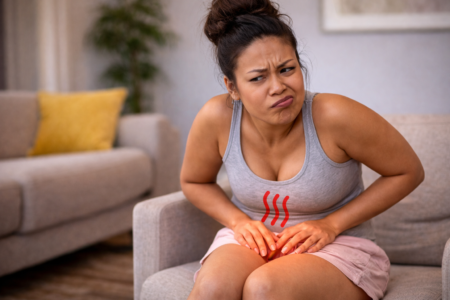
ItHurts Ouch Files: C-Section Scar Pain Edition Your C-Section Scar Is Not “Just a Scar.” It’s a Retired Battlefield That Still Has Opinions. C-section scar pain can result from healing tissues, nerve sensitivity, and adhesions formed after surgery. It may cause pulling, numbness, discomfort, and even contribute to back, hip, or pelvic pain if not properly managed. That thin line across your abdomen? It’s not just a scar—it’s a reminder of everything your body went through. And while it may look healed, your body remembers the stress, the tension, and the disruption underneath. C-sections involve multiple layers of tissue, and when those layers heal without guidance, they can create stiffness, pulling sensations, and discomfort that show up in unexpected places. If you’ve been told “it’s healed, you’re fine,” but it doesn’t feel fine—you’re not imagining it. 3 Practical Ways to Support Healing 🧠 Gently Mobilize the Scar Once fully healed, use light touch to move the skin around the scar in different directions. This helps reduce adhesions and improves tissue mobility over time. 🌬️ Reconnect with Your Core Through Breathing Practice diaphragmatic breathing to gently activate deep abdominal muscles. This supports healing and reduces unnecessary strain on the scar. 🧍‍♀️ Improve Your Posture Stand tall, keep your shoulders relaxed, and avoid hunching forward. Proper alignment reduces tension on the scar and surrounding tissues. The Recovery Reality Healing doesn’t end when the scar closes. Your body continues adapting long after surgery, and it needs support—not neglect. You’re not being dramatic. You’re recognizing that recovery is ongoing—and that awareness is the first step toward feeling better. If it Hurts we can help. Join a supportive community where people share real experiences, recovery strategies, and encouragement without judgment. Join the ItHurts Community Disclaimer: Enjoy the “Ouch Files” for the laughs and the lessons, but treat us like a supportive friend rather than a diagnostic tool. We aren’t doctors, and this content is not medical advice. Always consult a qualified healthcare professional for diagnosis and treatment of persistent symptoms.

When Your Chest Picks a Fight: Breast Cancer, Pain, and the Audacity of the Human Body

ItHurts Ouch Files: Breast Cancer Pain Edition When Your Chest Picks a Fight: Breast Cancer, Pain, and the Audacity of the Human Body Breast cancer–related pain can arise from the condition itself or from treatments such as surgery, radiation, or hormone therapy. It may include tenderness, nerve pain, swelling, and stiffness, affecting both physical comfort and emotional well-being. Breast cancer doesn’t arrive quietly. It disrupts everything—your body, your routine, your emotions—and then expects you to carry on like nothing changed. The pain isn’t just physical. It’s layered—tenderness, nerve sensations, stiffness, and the emotional weight that comes with it. And yes, it can be frustrating, overwhelming, and exhausting. But pain isn’t something you simply endure. It’s something you learn to manage—with strategy, support, and the right tools. 3 Practical Ways to Manage the Pain 💥 Support and Protect Sensitive Areas Wear soft, supportive bras or post-treatment garments and avoid underwires. Use cold packs (with a barrier) to help reduce inflammation and discomfort. 🧘‍♀️ Keep Moving—Gently Incorporate light movements like arm circles, shoulder rolls, and short walks. Gentle activity helps prevent stiffness and supports recovery. 🔥 Address Nerve Pain Early If you experience burning or sharp sensations, consult a professional for nerve-specific care. Proper management can prevent long-term discomfort. The Recovery Reality Pain doesn’t always disappear when treatment ends—and that doesn’t mean you’re failing. It means your body has been through something significant and needs time and care. You’re not complaining. You’re advocating for your quality of life—and that matters. If it Hurts we can help. Join a supportive community where people share real experiences, coping strategies, and encouragement while navigating pain and recovery. Join the ItHurts Community Disclaimer: Enjoy the “Ouch Files” for the laughs and the lessons, but treat us like a supportive friend rather than a diagnostic tool. We aren’t doctors, and this content is not medical advice. Always consult a qualified healthcare professional for diagnosis and treatment of persistent symptoms.

Your Vagina Is Side-Eyeing You: A Sarcastic Survival Guide to Bartholin Cysts

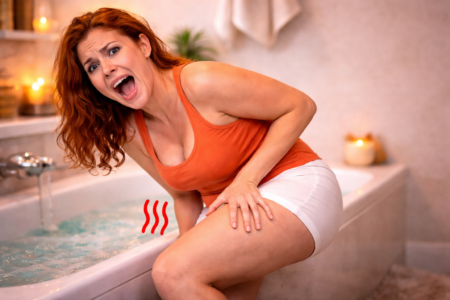
ItHurts Ouch Files: Bartholin Cyst Edition Your Vagina Is Side-Eyeing You: A Sarcastic Survival Guide to Bartholin Cysts A Bartholin cyst occurs when a Bartholin gland becomes blocked, causing fluid buildup near the vaginal opening. While some cysts remain painless, others can cause discomfort, swelling, and difficulty with sitting or movement. There are pains that announce themselves politely—like a headache. And then there are pains that show up uninvited, sit down aggressively, and whisper, “Good luck walking today.” If you’ve ever felt a mysterious, tender lump and thought, “Is this betrayal?”—you’re not alone. Bartholin cysts have a way of turning simple movements into negotiations. They happen when a gland gets blocked, fluid builds up, and pressure increases. Sometimes they stay quiet. Sometimes they decide to be dramatic. 3 Practical Ways to Calm the Chaos 🛁 Use Warm Sitz Baths Consistently Sit in warm (not hot) water for 10–15 minutes, 2–3 times daily. This helps promote natural drainage and reduces swelling. 🚫 Don’t Try to Pop or Squeeze It Avoid forcing it open. This can worsen the condition and increase the risk of infection. Let it heal naturally or seek medical care if needed. 👖 Reduce Pressure and Friction Wear loose, breathable clothing and avoid tight garments or activities that increase irritation. Less pressure supports healing. The Recovery Reality This condition can feel frustrating and uncomfortable, but it’s manageable with the right care. The goal is to reduce irritation, support healing, and avoid making it worse. You’re not overreacting—you’re responding to real discomfort. And that deserves proper attention. If it Hurts we can help. Join a supportive community where people share experiences, solutions, and encouragement—without judgment. Join the ItHurts Community Disclaimer: Enjoy the “Ouch Files” for the laughs and the lessons, but treat us like a supportive friend rather than a diagnostic tool. We aren’t doctors, and this content is not medical advice. Always consult a qualified healthcare professional for diagnosis and treatment of persistent symptoms.

The Lump, the Legend, the Absolute Audacity: Surviving a Bartholin Abscess

ItHurts Ouch Files: Bartholin Abscess Edition The Lump, the Legend, the Absolute Audacity: Surviving a Bartholin Abscess A Bartholin abscess occurs when the Bartholin gland becomes blocked and infected, leading to a painful swelling near the vaginal opening. It can cause severe discomfort during sitting, walking, and daily activities, often requiring medical attention for relief. Let’s talk about a kind of pain no one prepares you for. Not the minor inconvenience kind. The kind that makes you question your life choices while sitting, walking, or simply existing. A Bartholin abscess doesn’t arrive quietly. It shows up loud, uncomfortable, and impossible to ignore—turning basic movements into full-blown challenges. If you’re dealing with this, you’re not overreacting. You’re managing a genuinely painful condition—and yes, there are ways to handle it. 3 Practical Ways to Reduce the Pain 🔥 Reduce Pressure on the Area Sit on a soft surface like a donut pillow or rolled towel and shift your weight slightly to one side. Avoid hard seating to reduce irritation and discomfort. 🛁 Use Warm Sitz Baths Regularly Soak in warm (not hot) water for 10–15 minutes, several times a day. This can help promote drainage, reduce swelling, and provide relief. 🚨 Know When to Seek Medical Care If pain worsens, swelling increases, or symptoms don’t improve, consult a healthcare professional. Some cases require antibiotics or drainage for proper healing. The Recovery Reality This condition can feel isolating and frustrating, but it’s not something you caused—and it’s not something you have to manage alone. With the right care and timely treatment, relief is possible. The goal is not to endure the pain, but to address it effectively and safely. If it Hurts we can help. Join a supportive community where people share real experiences, coping strategies, and encouragement—without judgment. Join the ItHurts Community Disclaimer: Enjoy the “Ouch Files” for the laughs and the lessons, but treat us like a supportive friend rather than a diagnostic tool. We aren’t doctors, and this content is not medical advice. Always consult a qualified healthcare professional for diagnosis and treatment of persistent symptoms.

Your Vagina Didn’t “Lose Its Way”—It’s Just Mad at You: A Survival Guide to Bacterial Vaginosis

ItHurts Ouch Files: Bacterial Vaginosis Edition Your Vagina Didn’t “Lose Its Way”—It’s Just Mad at You: A Survival Guide to Bacterial Vaginosis Bacterial Vaginosis (BV) occurs when the natural balance of bacteria in the vagina is disrupted, allowing harmful bacteria to overgrow. This can lead to symptoms such as unusual discharge, odor, irritation, and discomfort. Let’s clear something up immediately: BV is not a hygiene failure, a moral issue, or your body turning against you for fun. It’s a bacterial imbalance—and your body is reacting, not betraying. Your vagina is normally a self-regulating, pH-balanced system. But when that balance gets disrupted, things can spiral quickly—odor, discharge, irritation, and a whole lot of unnecessary stress. If you’ve ever thought, “Why is this happening when I didn’t do anything wrong?”—you’re not alone. And more importantly, you’re not broken. 3 Practical Ways to Restore Balance 🧼 Stop Over-Cleaning Avoid douching, scented products, and harsh cleansers. Wash externally with water or a gentle, unscented cleanser and let your body maintain its natural balance. 🦠 Support Healthy Bacteria Healthy bacteria help protect against imbalance. Consider probiotics, maintain consistency with prescribed treatments, and support your body’s natural microbiome. 🧻 Be Mindful of Triggers Sexual activity, new partners, and certain habits can disrupt vaginal pH. Using protection, maintaining hygiene, and seeking guidance for recurring symptoms can help reduce flare-ups. The Recovery Reality BV can affect more than just physical comfort—it can impact confidence, relationships, and emotional well-being. That matters, and it deserves attention. With the right care and awareness, balance can be restored. You’re not dealing with something abnormal—you’re dealing with something manageable. If it Hurts we can help. Join a supportive community where people share experiences, solutions, and encouragement without judgment. Join the ItHurts Community Disclaimer: Enjoy the “Ouch Files” for the laughs and the lessons, but treat us like a supportive friend rather than a diagnostic tool. We aren’t doctors, and this content is not medical advice. Always consult a qualified healthcare professional for diagnosis and treatment of persistent symptoms.

Congratulations, Your Hormones Chose Violence: A Survival Guide to Aromatase Pain Syndrome

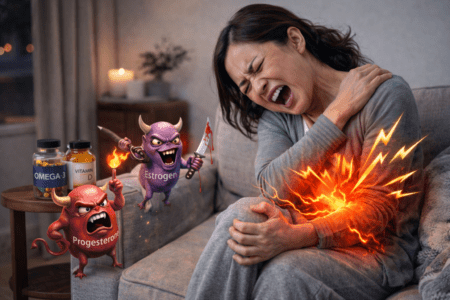
ItHurts Ouch Files: Aromatase Pain Syndrome Edition Congratulations, Your Hormones Chose Violence: A Survival Guide to Aromatase Pain Syndrome Aromatase Pain Syndrome refers to joint stiffness, muscle pain, and discomfort associated with aromatase inhibitor therapy, commonly used in hormone-related treatments. Reduced estrogen levels can affect joint lubrication and increase inflammation, leading to widespread musculoskeletal pain. Ever wake up feeling like your joints spent the night fighting raccoons behind a dumpster? You didn’t fall. You didn’t overdo it. You simply exist… while your hormones decided to start drama. This isn’t “getting older.” This is chemistry. Aromatase inhibitors reduce estrogen, and your joints respond by staging a full protest—stiffness, pain, and movement that suddenly feels like a negotiation. If you’re walking like a haunted marionette or cracking like glow sticks at a rave, you’re not imagining it. You’re dealing with a real, frustrating side effect—and yes, it can be managed. 3 Practical Ways to Calm the Joint Chaos 🦴 Move Gently, But Consistently Incorporate daily low-impact movement like walking, stretching, or swimming. Warm up before activity and focus on steady, controlled motion to reduce stiffness and improve joint function. 🔥 Use Heat as Your Primary Tool Apply heat to stiff areas such as hips, knees, hands, or back. Warm showers and heating pads can relax muscles, improve circulation, and reduce discomfort before activity. 🥗 Support Your Body with Anti-Inflammatory Nutrition Include omega-3s, leafy greens, berries, and adequate protein in your diet. Consider supplements like vitamin D, magnesium, or omega-3s with professional guidance. The Recovery Reality This pain is real, and it’s not a sign of weakness. It’s your body adapting to hormonal changes that affect how your joints and muscles function. Managing aromatase pain requires consistency, patience, and the right strategies—not pushing through discomfort or ignoring what your body is telling you. If it Hurts we can help. Join a supportive community where people share experiences, coping strategies, and encouragement while navigating chronic pain and treatment side effects. Join the ItHurts Community Disclaimer: Enjoy the “Ouch Files” for the laughs and the lessons, but treat us like a supportive friend rather than a diagnostic tool. We aren’t doctors, and this content is not medical advice. Always consult a qualified healthcare professional for diagnosis and treatment of persistent symptoms.