United States
Afghanistan
Albania
Algeria
Andorra
Angola
Argentina
Armenia
Australia
Austria
Azerbaijan
Bahrain
Bangladesh
Barbados
Belarus
Belgium
Belize
Benin
Bhutan
Bolivia
Bosnia and Herzegovina
Botswana
Brazil
Brunei
Bulgaria
Burkina Faso
Burundi
Cambodia
Cameroon
Canada
Cape Verde
Central African Republic
Chad
Chile
China
Colombia
Comoros
Congo
Costa Rica
Croatia
Cuba
Cyprus
Czech Republic
Denmark
Djibouti
Dominican Republic
Ecuador
Egypt
El Salvador
Estonia
Ethiopia
Finland
France
Gabon
Gambia
Georgia
Germany
Ghana
Greece
Guatemala
Guinea
Guyana
Haiti
Honduras
Hungary
Iceland
India
Indonesia
Iran
Iraq
Ireland
Israel
Italy
Jamaica
Japan
Jordan
Kazakhstan
Kenya
Kuwait
Kyrgyzstan
Laos
Latvia
Lebanon
Lesotho
Liberia
Libya
Lithuania
Luxembourg
Madagascar
Malawi
Malaysia
Maldives
Mali
Malta
Mauritania
Mauritius
Mexico
Moldova
Mongolia
Montenegro
Morocco
Mozambique
Myanmar
Namibia
Nepal
Netherlands
New Zealand
Nicaragua
Niger
Nigeria
Norway
Oman
Pakistan
Panama
Paraguay
Peru
Philippines
Poland
Portugal
Qatar
Romania
Russia
Rwanda
Saudi Arabia
Senegal
Serbia
Singapore
Slovakia
Slovenia
South Africa
South Korea
Spain
Sri Lanka
Sudan
Sweden
Switzerland
Syria
Taiwan
Tajikistan
Tanzania
Thailand
Turkey
Turkmenistan
Uganda
Ukraine
United Arab Emirates
United Kingdom
United States
Uruguay
Uzbekistan
Venezuela
Vietnam
Yemen
Zambia
Zimbabwe

News

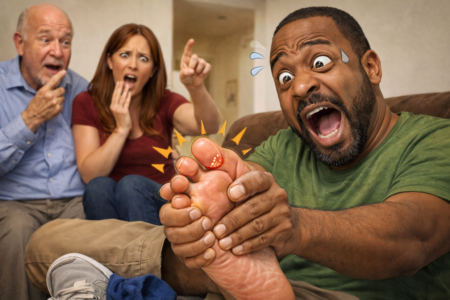
Cornageddon: When Your Toe Declares War and Wins

ItHurts Ouch Files: Corns Edition Cornageddon: When Your Toe Declares War and Wins Foot corns are small areas of thickened skin that develop when pressure or friction repeatedly irritates the same spot on the foot. Although they may seem minor, corns can make walking and daily movement surprisingly uncomfortable. Corns typically form on toes or areas of the foot that experience repeated pressure from tight shoes, abnormal foot mechanics, or frequent friction. Over time, the skin thickens to protect itself, creating a small hardened core that can become painful when pressed. While corns are usually harmless, the discomfort they cause can affect walking, posture, and daily activities. Fortunately, several simple adjustments can help reduce pressure and gradually improve symptoms. 3 Practical Tips That May Help Reduce Corn Pain 👟 Reduce Pressure on the Affected Area Corns develop because of constant friction. Wearing shoes with a wider toe box and using protective pads or gel toe caps may help reduce pressure on sensitive areas. 🛁 Soften the Skin Before Treating Soaking the feet in warm water for 10–15 minutes may soften hardened skin. After soaking, gently using a pumice stone can help gradually remove thickened layers. 🦶 Address Foot Mechanics Recurring corns may be linked to toe alignment, bunions, or pressure distribution when walking. Orthotics, supportive footwear, or consultation with a podiatrist may help correct the underlying cause. With consistent care and pressure relief, many corns gradually improve. Paying attention to footwear and foot mechanics can help prevent them from returning. If it Hurts we can help. If pain has taken over your sleep, your mood, or your search history, come find your people. Join the ItHurts Community Disclaimer: Enjoy the “Ouch Files” for the laughs and the lessons, but treat us like a witty friend rather than a diagnostic tool. We aren’t doctors, and this content is not medical advice. If a corn becomes extremely painful, infected, bleeding, or continues to return despite treatment, consult a qualified healthcare professional such as a podiatrist.

💩 Constipation: When Your Butt Ghosts You and Your Dignity Pays the Price

ItHurts Ouch Files: Constipation Edition Constipation: When Your Body Hits Pause on the Bathroom Schedule Constipation can cause bloating, abdominal discomfort, and difficulty passing stools. While common, it can disrupt daily comfort and often results from diet, hydration levels, or changes in routine. Constipation occurs when bowel movements become infrequent or difficult to pass. Many people experience symptoms such as bloating, abdominal pressure, or a feeling that the digestive system has slowed down. Diet, hydration, physical activity, and daily habits all play a role in maintaining regular bowel movements. Small adjustments can often help restore digestive balance. 3 Practical Tips That May Help Relieve Constipation 🥦 Increase Fiber Gradually Fiber helps add bulk and softness to stools, making them easier to pass. Foods such as oats, beans, fruits, vegetables, and whole grains may help support healthy digestion when added gradually to the diet. 💧 Stay Consistently Hydrated Water helps soften stools and supports healthy digestion. Drinking fluids regularly throughout the day may reduce the risk of hard stools and digestive discomfort. 🚶 Encourage Natural Digestive Movement Physical activity can help stimulate intestinal movement. Simple habits such as daily walking, regular bathroom routines, and responding promptly to the urge to go may support healthier bowel patterns. Constipation is common and often improves with dietary and lifestyle changes. Consistency with hydration, fiber intake, and movement can help support long-term digestive comfort. If it Hurts we can help. If pain has taken over your sleep, your mood, or your search history, come find your people. Join the ItHurts Community Disclaimer: Enjoy the “Ouch Files” for the laughs and the lessons, but treat us like a witty friend rather than a diagnostic tool. We aren’t doctors, and this content is not medical advice. If constipation becomes severe, persistent, painful, or is accompanied by bleeding or unexplained symptoms, consult a qualified healthcare professional.

Pink Eye Is Petty: When Your Eyeball Chooses Violence 👁️🔥

ItHurts Ouch Files: Conjunctivitis Edition Pink Eye Is Petty: When Your Eyeball Chooses Violence 👁️🔥 Redness, itching, burning, and irritation can make conjunctivitis one of the most uncomfortable eye problems. The good news is that most cases improve with proper care and hygiene. Conjunctivitis—commonly called pink eye—happens when the thin membrane covering the white part of the eye becomes inflamed. Symptoms often include redness, itching, tearing, discharge, and irritation that can make everyday activities uncomfortable. Pink eye can be caused by viruses, bacteria, allergies, or irritants. While frustrating, many cases improve with simple hygiene and supportive care. 3 Practical Tips That May Help Calm Pink Eye Symptoms 🤚 Avoid Touching or Rubbing the Eye Rubbing the eye can spread infection and worsen irritation. Wash hands frequently, use clean tissues to wipe discharge, and avoid touching the eye unnecessarily. ❄️ Use Cold Compresses for Relief Applying a clean cold compress to the closed eye for 5–10 minutes may help reduce swelling, itching, and irritation. Always use a fresh, clean cloth each time. 💧 Use the Right Eye Drops Artificial tears may help soothe irritation. Antihistamine drops may help allergic conjunctivitis, while bacterial infections may require prescription medication from a healthcare professional. Most cases of pink eye improve with proper hygiene and supportive care, but persistent symptoms should always be evaluated by a medical professional. If it Hurts we can help. If pain has taken over your sleep, your mood, or your search history, come find your people. Join the ItHurts Community Disclaimer: Enjoy the “Ouch Files” for the laughs and the lessons, but treat us like a witty friend rather than a diagnostic tool. We aren’t doctors, and this content is not medical advice. If eye symptoms worsen, affect vision, or persist for several days, consult a qualified healthcare professional.

Cold Sores: That Tiny Lip Villain With Main-Character Energy

ItHurts Ouch Files: Cold Sores Edition Cold Sores: That Tiny Lip Villain With Main-Character Energy Cold sores are small fluid-filled blisters that usually appear around the lips or mouth. Caused by the herpes simplex virus (HSV-1), they often begin with tingling or itching before developing into visible sores. Cold sores are common viral infections that tend to appear during times of stress, illness, fatigue, or immune changes. The sores can cause burning, discomfort, and sensitivity around the lips and mouth. Although outbreaks can feel frustrating, early care and supportive habits may help reduce discomfort and shorten healing time. 3 Practical Tips That May Help Manage Cold Sores 🧊 Start Treatment Early Cold sores often begin with tingling, itching, or burning before the blister appears. Using antiviral creams or medications at the earliest signs may help shorten the outbreak. ❄️ Reduce Swelling With Cold Therapy Applying a cold compress wrapped in a clean cloth for several minutes may help reduce inflammation and numb discomfort around the sore. 😴 Support Your Immune System Adequate sleep, stress management, and balanced nutrition help the body fight viral flare-ups more effectively. Avoid touching or picking at sores to prevent irritation or spreading the virus. Cold sores are temporary and often heal within one to two weeks. Understanding early symptoms and supporting your immune system may help reduce future flare-ups. If it Hurts we can help. If pain has taken over your sleep, your mood, or your search history, come find your people. Join the ItHurts Community Disclaimer: Enjoy the “Ouch Files” for the laughs and the lessons, but treat us like a witty friend rather than a diagnostic tool. We aren’t doctors, and this content is not medical advice. If cold sores occur frequently, become severe, or do not heal properly, consult a qualified healthcare professional.

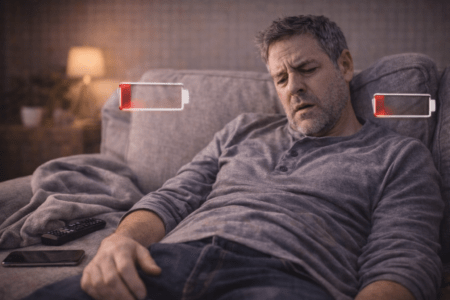
CHRONIC FATIGUE: When You’re Tired of Being Tired (and Your Couch Knows Your Middle Name)

ItHurts Ouch Files: Chronic Fatigue Edition Chronic Fatigue: When Being Tired Becomes a Full-Time Job Chronic fatigue can make everyday tasks feel overwhelming. Unlike normal tiredness, this condition involves persistent exhaustion that may not improve with rest and can affect daily functioning, concentration, and overall well-being. Chronic fatigue can affect both physical and mental energy levels. Many people describe feeling drained even after adequate sleep, with activities such as walking, working, or concentrating becoming unusually difficult. Although chronic fatigue can have many underlying causes, supportive habits and lifestyle adjustments may help improve energy stability and reduce symptom flare-ups. 3 Practical Tips That May Help Manage Chronic Fatigue 🔋 Pace Your Energy Carefully Instead of pushing through exhaustion, try balancing activity with rest. Planning tasks in smaller steps and scheduling breaks may help prevent severe energy crashes. 😴 Improve Sleep Quality Maintaining a consistent sleep schedule, limiting screen time before bed, and creating a cool, quiet sleep environment may support better restorative sleep. 🥗 Support Energy With Balanced Nutrition Eating balanced meals with protein, fiber, and healthy fats can help stabilize blood sugar and maintain more consistent energy throughout the day. Living with chronic fatigue can be challenging, but understanding personal limits and building supportive daily habits can help many people manage symptoms more effectively. If it Hurts we can help. If pain has taken over your sleep, your mood, or your search history, come find your people. Join the ItHurts Community Disclaimer: Enjoy the “Ouch Files” for the laughs and the lessons, but treat us like a witty friend rather than a diagnostic tool. We aren’t doctors, and this content is not medical advice. Persistent or severe fatigue may indicate underlying medical conditions, so consult a qualified healthcare professional for proper evaluation.

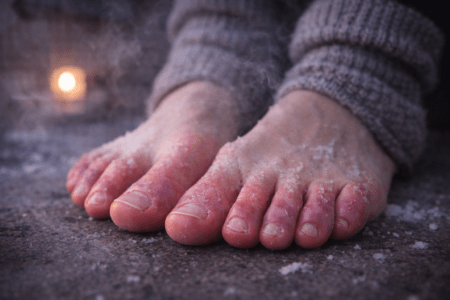
Chilblains: When Winter Looks at Your Toes and Says, “Fight Me.”

ItHurts Ouch Files: Chilblains Edition Chilblains: When Cold Weather Declares War on Your Toes Chilblains are painful, itchy, and swollen patches of skin that appear after exposure to cold temperatures. They commonly affect the fingers, toes, ears, and nose when blood vessels react poorly to sudden temperature changes. Chilblains occur when small blood vessels in the skin react abnormally to cold exposure and rapid warming. This can cause redness, swelling, itching, and sometimes a burning sensation. Although chilblains can feel uncomfortable, gentle care and proper cold-weather habits may help reduce symptoms and prevent future flare-ups. 3 Practical Tips That May Help Reduce Chilblains Symptoms 🧦 Warm Up Gradually When hands or feet become very cold, avoid sudden exposure to intense heat. Gradually warming the affected areas with socks, gloves, or blankets allows blood vessels to adjust more smoothly. �� Improve Circulation Light movement such as walking, stretching, or gently massaging hands and feet can encourage healthy blood flow and reduce the risk of chilblains developing. 🧴 Protect and Moisturize the Skin Keeping the skin moisturized and protected from harsh weather conditions can help prevent cracking and irritation. Choose fragrance-free moisturizers and wear warm protective clothing in cold environments. Most chilblains improve within a few weeks when the skin is kept warm and protected. However, recurring or severe symptoms may require medical evaluation. If it Hurts we can help. If pain has taken over your sleep, your mood, or your search history, come find your people. Join the ItHurts Community Disclaimer: Enjoy the “Ouch Files” for the laughs and the lessons, but treat us like a witty friend rather than a diagnostic tool. We aren’t doctors, and this content is not medical advice. If chilblains are severe, recurrent, or show signs of infection, consult a qualified healthcare professional.