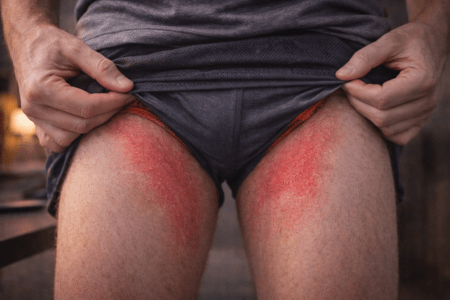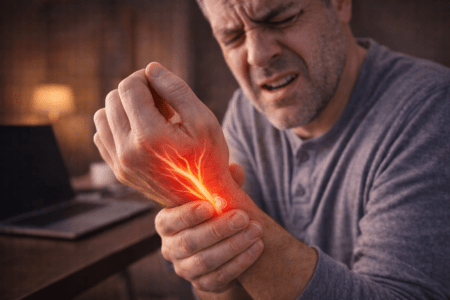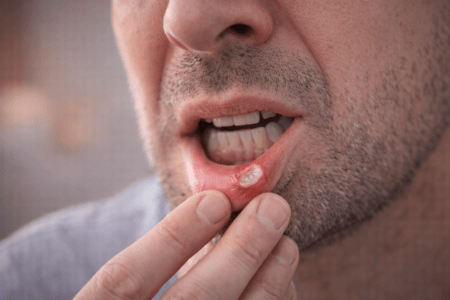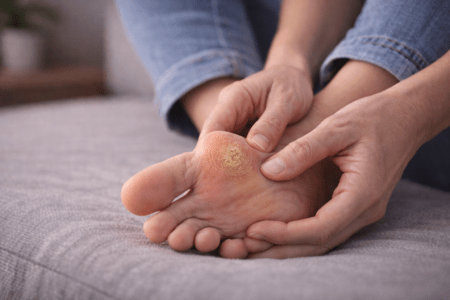
ItHurts Ouch Files: Chafing Edition Chafing: When Skin Friction Turns Walking Into a Struggle Chafing occurs when repeated friction between skin surfaces or clothing irritates the outer layer of the skin. It often affects areas such as the inner thighs, underarms, or groin and can cause redness, burning, and discomfort during movement. Chafing commonly develops when moisture, sweat, and repeated movement combine to create friction on the skin. Activities such as walking, running, or wearing tight clothing can increase irritation. Although chafing can be uncomfortable, simple prevention strategies may help reduce friction and support skin healing. 3 Practical Tips That May Help Prevent or Relieve Chafing 🧴 Reduce Friction With Protective Barriers Applying anti-chafing balms, petroleum jelly, or protective creams can create a barrier between skin surfaces and reduce friction during movement. 👕 Choose Breathable, Moisture-Wicking Clothing Fabrics that pull moisture away from the skin help keep the area dry. Seamless clothing or compression shorts can also reduce skin-to-skin friction. 🌿 Soothe Irritated Skin Promptly If chafing occurs, gently clean the area with lukewarm water and apply soothing products such as aloe vera or barrier creams to help protect the skin while it heals. Most mild chafing improves with rest and proper skin care. Preventing moisture buildup and reducing friction are key to keeping skin comfortable during daily activities. If it Hurts we can help. If pain has taken over your sleep, your mood, or your search history, come find your people. Join the ItHurts Community Disclaimer: Enjoy the “Ouch Files” for the laughs and the lessons, but treat us like a witty friend rather than a diagnostic tool. We aren’t doctors, and this content is not medical advice. If chafing becomes severe, infected, or persistent, consult a qualified healthcare professional.
ItHurts Ouch Files: Carpal Tunnel Edition Your Wrist Is Filing a Formal Complaint Carpal tunnel syndrome can cause tingling, numbness, weakness, and discomfort in the hand and wrist when the median nerve becomes compressed. Carpal tunnel syndrome occurs when the median nerve inside the wrist becomes compressed. This can lead to numbness, tingling, burning sensations, and weakness in the hand or fingers. These symptoms often appear after long periods of typing, repetitive wrist movements, or prolonged hand strain. Early adjustments and supportive care can help reduce irritation and improve wrist comfort. 3 Practical Tips That May Help Calm Carpal Tunnel Symptoms 🖐️ Keep the Wrist in a Neutral Position Maintaining a straight wrist position while typing or using a mouse helps reduce pressure inside the carpal tunnel. Ergonomic keyboards, proper desk height, and wrist supports can help maintain better alignment. 🧊 Use Cold Therapy for Inflammation Applying a wrapped ice pack to the palm side of the wrist for 10–15 minutes may help reduce swelling and calm nerve irritation during symptom flare-ups. 🤸 Gentle Stretching Supports Mobility Stretching the wrist and forearm muscles may help reduce tension around the median nerve. Gentle stretches held for 15–20 seconds can improve flexibility and reduce stiffness. With consistent ergonomic adjustments and early care, many people experience improved comfort and reduced nerve irritation. If it Hurts we can help. If pain has taken over your sleep, your mood, or your search history, come find your people. Join the ItHurts Community Disclaimer: Enjoy the “Ouch Files” for the laughs and the lessons, but treat us like a witty friend rather than a diagnostic tool. We aren’t doctors, and this content is not medical advice. If wrist pain becomes severe, persistent, or causes numbness, weakness, or loss of function, consult a qualified healthcare professional.
ItHurts Ouch Files: Canker Sore Edition Canker Sore: The Mouth’s Pettiest Revenge Small mouth ulcers can cause surprisingly intense pain while eating, drinking, or speaking. The good news is that simple care strategies can often speed healing and reduce irritation. Canker sores are small ulcers that develop inside the mouth, often on the inner lips, cheeks, or tongue. Even though they are small, they can cause significant discomfort and make everyday activities such as eating or talking unpleasant. They may be triggered by minor mouth injuries, stress, certain foods, hormonal changes, or nutritional deficiencies. Most canker sores heal on their own, but supportive care can help reduce pain and speed recovery. 3 Practical Tips That May Help Calm Canker Sore Pain 🧂 Salt Water Rinse Mix half a teaspoon of salt in warm water and gently rinse the mouth for about 20–30 seconds. Salt water may help reduce inflammation and keep the sore clean while healing. 🥄 Baking Soda Paste Applying a small baking soda paste (baking soda mixed with a few drops of water) directly to the sore may help neutralize acidity and reduce irritation. 🧴 Protect the Area Oral gels or protective mouth patches may create a barrier over the sore, reducing irritation from food and helping tissue heal without repeated friction. Most canker sores heal within one to two weeks. However, frequent or unusually painful sores may indicate other health factors such as stress, nutritional deficiencies, or food sensitivities. If it Hurts we can help. If pain has taken over your sleep, your mood, or your search history, come find your people. Join the ItHurts Community Disclaimer: Enjoy the “Ouch Files” for the laughs and the lessons, but treat us like a witty friend rather than a diagnostic tool. We aren’t doctors, and this content is not medical advice. If mouth sores are severe, last longer than two weeks, or occur frequently, consult a qualified healthcare professional.
ItHurts Ouch Files: Callus Edition Your Callus Is a Tiny Leather Couch Your Body Didn’t Ask For Calluses form when repeated pressure or friction causes the skin to thicken as a protective response. Calluses develop when the skin repeatedly experiences friction or pressure. In response, the body thickens the outer skin layer to protect underlying tissue. Although this protection can help prevent injury, thick calluses can become uncomfortable, cracked, or painful when pressure continues. 3 Practical Tips That May Help Reduce Callus Pain 🧽 Soften the Skin Before Removing Thick Areas Soaking the area in warm water for 10–15 minutes can soften the skin and make gentle filing with a pumice stone or foot file more effective. 🧴 Moisturize to Keep Skin Flexible Thick creams containing urea, lactic acid, or salicylic acid may help soften hardened skin and reduce cracking. Applying moisturizer at night and covering with socks or gloves can improve hydration. 👟 Reduce Friction and Pressure Wearing properly fitted shoes, using cushioned insoles, or protecting hands during repetitive tasks can help reduce the friction that causes calluses to form. Reducing pressure and maintaining healthy skin hydration can significantly improve comfort and prevent calluses from returning. If it Hurts we can help. If pain has taken over your sleep, your mood, or your search history, come find your people. Join the ItHurts Community Disclaimer: Enjoy the “Ouch Files” for the laughs and the lessons, but treat us like a witty friend rather than a diagnostic tool. We aren’t doctors, and this content is not medical advice. If a callus becomes extremely painful, cracked, infected, or does not improve, consult a qualified healthcare professional.
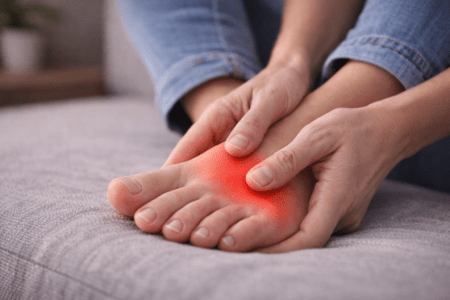
ItHurts Ouch Files: Bunion Edition Your Big Toe Is Starting a Hostile Takeover A bunion forms when the big toe joint shifts out of alignment, creating a painful bump that can make walking and wearing shoes uncomfortable. Bunions develop when the joint at the base of the big toe gradually moves outward. Over time this can cause swelling, discomfort, and pressure inside shoes. Although bunions can worsen if ignored, supportive habits and footwear changes can help reduce irritation and improve comfort. 3 Practical Tips That May Help Reduce Bunion Pain 👟 Choose Shoes With Wide Toe Boxes Shoes that give the toes enough room can reduce pressure on the bunion joint. Look for wide toe boxes, firm soles, and minimal pressure along the side of the big toe. 🧘 Stretch and Mobilize the Toe Gentle toe stretches and foot mobility exercises may reduce muscle tension and help maintain joint movement. Simple daily stretching can improve comfort over time. 🧊 Manage Swelling Early If the bunion becomes swollen or irritated, icing the area for 10–15 minutes and using protective pads or toe spacers may reduce inflammation and friction inside shoes. Early attention to footwear, pressure reduction, and gentle movement can help prevent bunions from worsening and improve everyday comfort. If it Hurts we can help. If pain has taken over your sleep, your mood, or your search history, come find your people. Join the ItHurts Community Disclaimer: Enjoy the “Ouch Files” for the laughs and the lessons, but treat us like a witty friend rather than a diagnostic tool. We aren’t doctors, and this content is not medical advice. If bunion pain becomes severe, worsens, or affects walking, consult a qualified healthcare professional for proper evaluation.
ItHurts Ouch Files: Bursitis Edition When Your Joint Decides to Start a Union Bursitis occurs when small fluid-filled sacs that cushion joints become inflamed, often causing pain, swelling, and limited movement. Bursae are small sacs filled with fluid that help reduce friction between bones, muscles, and tendons. When these sacs become irritated or inflamed, the condition is called bursitis. It most commonly affects the shoulders, hips, elbows, and knees, and can make everyday movements uncomfortable or painful. 3 Practical Tips That May Help Calm Bursitis Pain 🛑 Reduce Repetitive Stress Avoid repeating the movement that caused the irritation. Short-term rest and modifying activities can allow inflamed bursae to settle and reduce swelling. 🧊 Apply Ice to Reduce Inflammation Applying a wrapped ice pack for 15–20 minutes after activity may help reduce swelling and numb pain signals around the joint. 💪 Strengthen Supporting Muscles Gentle strengthening and mobility exercises can improve joint mechanics and reduce pressure on the inflamed bursa over time. Most cases of bursitis improve with rest, activity modification, and supportive care that reduces joint stress. If it Hurts we can help. If pain has taken over your sleep, your mood, or your search history, come find your people. Join the ItHurts Community Disclaimer: Enjoy the “Ouch Files” for the laughs and the lessons, but treat us like a witty friend rather than a diagnostic tool. We aren’t doctors, and this content is not medical advice. If joint pain becomes severe, swollen, red, or persistent, consult a qualified healthcare professional.
Afghanistan
Albania
Algeria
Andorra
Angola
Argentina
Armenia
Australia
Austria
Azerbaijan
Bahrain
Bangladesh
Barbados
Belarus
Belgium
Belize
Benin
Bhutan
Bolivia
Bosnia and Herzegovina
Botswana
Brazil
Brunei
Bulgaria
Burkina Faso
Burundi
Cambodia
Cameroon
Canada
Cape Verde
Central African Republic
Chad
Chile
China
Colombia
Comoros
Congo
Costa Rica
Croatia
Cuba
Cyprus
Czech Republic
Denmark
Djibouti
Dominican Republic
Ecuador
Egypt
El Salvador
Estonia
Ethiopia
Finland
France
Gabon
Gambia
Georgia
Germany
Ghana
Greece
Guatemala
Guinea
Guyana
Haiti
Honduras
Hungary
Iceland
India
Indonesia
Iran
Iraq
Ireland
Israel
Italy
Jamaica
Japan
Jordan
Kazakhstan
Kenya
Kuwait
Kyrgyzstan
Laos
Latvia
Lebanon
Lesotho
Liberia
Libya
Lithuania
Luxembourg
Madagascar
Malawi
Malaysia
Maldives
Mali
Malta
Mauritania
Mauritius
Mexico
Moldova
Mongolia
Montenegro
Morocco
Mozambique
Myanmar
Namibia
Nepal
Netherlands
New Zealand
Nicaragua
Niger
Nigeria
Norway
Oman
Pakistan
Panama
Paraguay
Peru
Philippines
Poland
Portugal
Qatar
Romania
Russia
Rwanda
Saudi Arabia
Senegal
Serbia
Singapore
Slovakia
Slovenia
South Africa
South Korea
Spain
Sri Lanka
Sudan
Sweden
Switzerland
Syria
Taiwan
Tajikistan
Tanzania
Thailand
Turkey
Turkmenistan
Uganda
Ukraine
United Arab Emirates
United Kingdom
United States
Uruguay
Uzbekistan
Venezuela
Vietnam
Yemen
Zambia
Zimbabwe