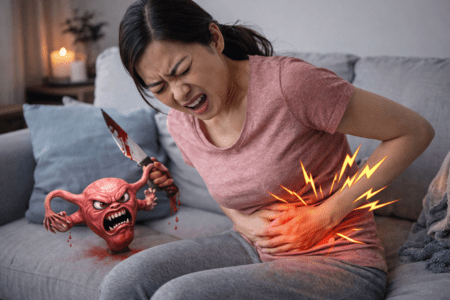
ItHurts Ouch Files: Adenomyosis Edition Adenomyosis: When Your Uterus Chooses Violence and Calls It a Lifestyle Adenomyosis is a condition where the inner lining of the uterus grows into the muscular wall, leading to heavy periods, pelvic pain, bloating, and fatigue. Symptoms can vary in intensity but often interfere with daily life and overall well-being. Let’s get something straight: adenomyosis is not “just bad cramps.” That’s like calling a hurricane a light breeze with attitude. If your uterus feels like it’s staging a monthly rebellion—with pain, bloating, fatigue, and a deep personal vendetta against your schedule—you’re not dramatic. You’re dealing with a real condition that demands real attention. Adenomyosis happens when uterine tissue grows where it shouldn’t, causing inflammation and pressure that can make everyday life feel overwhelming. But while it’s stubborn, it’s not unbeatable. 3 Practical Ways to Calm the Chaos 🩸 Treat Inflammation Like the Enemy Focus on anti-inflammatory foods like omega-3s, leafy greens, and berries. Reduce processed foods and excessive sugar, and consider proper timing of pain relief strategies with professional guidance. 🔥 Heat Is a Non-Negotiable Tool Use consistent heat therapy on the lower abdomen and back. Heat improves circulation, relaxes muscles, and helps reduce the intensity of cramping and discomfort. 🧠 Calm Your Nervous System Practice paced breathing, gentle relaxation techniques, and track symptoms to understand patterns. A calmer nervous system can reduce how intensely pain is experienced. The Recovery Reality You are not weak for needing rest. You are not lazy for canceling plans. And you are not imagining this pain. Adenomyosis is real, disruptive, and deserves support. Managing it is about strategy, consistency, and understanding your body—not pushing through suffering. If it Hurts we can help. Join a supportive community where people share experiences, recovery strategies, and encouragement while navigating pain and chronic conditions. Join the ItHurts Community Disclaimer: Enjoy the “Ouch Files” for the laughs and the lessons, but treat us like a supportive friend rather than a diagnostic tool. We aren’t doctors, and this content is not medical advice. Always consult a qualified healthcare professional for diagnosis and treatment of persistent symptoms.
ItHurts Ouch Files: Whiplash Edition Whiplash: When Your Neck Files a Police Report Against You Whiplash is a neck injury caused by rapid back-and-forth movement of the head, often due to sudden impact or abrupt stops. It can lead to stiffness, pain, headaches, and reduced range of motion, sometimes appearing hours or days after the initial event. Whiplash is what happens when your body experiences a “minor inconvenience” and your neck reacts like it has been personally betrayed. One moment you’re fine. The next, you’re rotating your entire torso just to look at your phone. It’s not just soreness. It’s stiffness, headaches, jaw tension, shoulder pain, and that strange feeling your head is being held up by angry rubber bands. And just to be dramatic, it often shows up late—like a ghost with unresolved issues. The good news? You can calm it down—if you stop treating your neck like it’s made of glass. 3 Practical Ways to Calm the Neck Chaos 🧠 Move It—Don’t Guard It Use gentle, controlled movement throughout the day. Slow head turns and chin tucks help restore motion and calm your nervous system instead of locking your muscles into stiffness. 🧊🔥 Use Heat and Ice Strategically Ice works best in the first 24–72 hours to reduce inflammation. After that, heat can relax tight muscles and improve flexibility. Use the right tool at the right time for faster relief. 🪑 Fix Your Posture Immediately Keep your head aligned over your shoulders and avoid prolonged forward head posture. Small posture corrections reduce strain and support recovery. The Recovery Reality Whiplash recovery isn’t about doing nothing—it’s about doing the right things consistently. Gentle movement, proper posture, and calming your nervous system are key to getting back to normal. Treat your neck with patience, not fear. Movement helps. Stillness often makes things worse. If it Hurts we can help. Join a supportive community where people share experiences, recovery strategies, and encouragement while navigating pain and injury. Join the ItHurts Community Disclaimer: Enjoy the “Ouch Files” for the laughs and the lessons, but treat us like a supportive friend rather than a diagnostic tool. We aren’t doctors, and this content is not medical advice. Always consult a qualified healthcare professional for diagnosis and treatment of persistent symptoms.
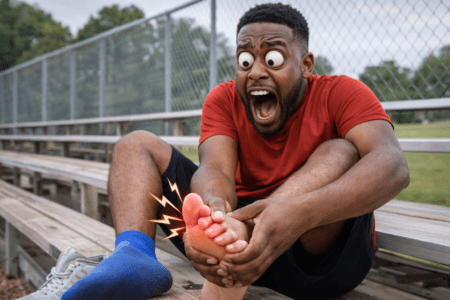
ItHurts Ouch Files: Turf Toe Edition Turf Toe: The Most Dramatic Injury Named After a Lawn Turf toe is a sprain of the ligaments around the big toe joint, typically caused by excessive upward bending during activities like running, jumping, or sudden directional changes. It can lead to pain, swelling, and difficulty pushing off while walking. Turf toe sounds fake—like something you’d say to get out of gym class. And yet here you are, walking like you stepped on a LEGO engineered for maximum emotional damage. Every step hurts. Every push-off feels like betrayal. One angry big toe has decided it runs your entire life. Welcome to turf toe—the injury that proves small joints can cause massive chaos. It usually happens when the big toe bends too far upward during movement. Sprinting, jumping, sudden stops… or one unfortunate moment your toe will never forgive. 3 Practical Ways to Calm Your Dramatic Toe 🦶 Tape That Toe for Stability Use athletic tape to anchor your big toe to the one next to it. The goal is to limit excessive movement while keeping circulation intact and reducing strain on the joint. 👟 Fix Your Footwear Situation Switch to stiff-soled shoes or use inserts that reduce toe bending. Shoes with proper structure help redistribute pressure away from the injured joint. 🧊 Rest and Manage Inflammation Ice the area for 15–20 minutes after activity, reduce high-impact movements, and elevate your foot when swelling increases to support healing. The Recovery Reality Your big toe handles a huge portion of your body’s push-off force during walking and running. That means even a small injury here can have a big impact on mobility. Early care, proper support, and temporary activity changes can help prevent turf toe from becoming a long-term issue that overstays its welcome. If it Hurts we can help. Join a supportive community where people share experiences, recovery strategies, and encouragement while navigating pain and injury. Join the ItHurts Community Disclaimer: Enjoy the “Ouch Files” for the laughs and the lessons, but treat us like a supportive friend rather than a diagnostic tool. We aren’t doctors, and this content is not medical advice. Always consult a qualified healthcare professional for diagnosis and treatment of persistent symptoms.
ItHurts Ouch Files: Stress Fracture Edition Stress Fracture: When Your Bone Files a Formal Complaint and CCs Pain A stress fracture is a small crack in a bone caused by repetitive force or overuse, commonly affecting weight-bearing areas like the feet, shins, hips, and lower legs. It develops gradually and can worsen without proper rest and recovery. A stress fracture isn’t dramatic. There’s no heroic snap or slow-motion fall. It’s your bone quietly whispering, “Hey… please stop,” while you keep going like pain is a personality flaw. It starts as a polite email. Then a follow-up. Then suddenly your skeleton kicks down the door wearing steel-toed boots. You didn’t mess up once—you overdid a thousand right things without rest. Your bone isn’t weak. It’s exhausted. And unlike you, it refuses to power through. 3 Practical Ways to Calm the Bone Rebellion 🦴 Stop “Pushing Through” Immediately Take a break from high-impact activity and switch to low-impact options like swimming or cycling. Pain is not motivation—it’s damage asking for recovery. 🥛 Fuel Your Skeleton Properly Support bone health with adequate calcium, vitamin D, and protein. Undereating combined with overtraining increases the risk of stress-related bone injuries. 👟 Upgrade Your Footwear Wear supportive, activity-appropriate shoes and replace worn-out pairs regularly. Proper cushioning and alignment reduce repetitive stress on your bones. The Recovery Reality A stress fracture doesn’t heal faster because you’re stubborn. It heals when you stop arguing with your body and give it the rest it needs. Ignoring it can turn a small crack into a full fracture. Recovery requires patience, proper support, and respecting your limits—something your bones take very seriously. If it Hurts we can help. Join a supportive community where people share experiences, recovery strategies, and encouragement while navigating pain and injury. Join the ItHurts Community Disclaimer: Enjoy the “Ouch Files” for the laughs and the lessons, but treat us like a supportive friend rather than a diagnostic tool. We aren’t doctors, and this content is not medical advice. Always consult a qualified healthcare professional for diagnosis and treatment of persistent symptoms.
ItHurts Ouch Files: Sprains & Strains Edition Your Sprain Is Not Brave. It’s Just Loud. Sprains and strains occur when ligaments or muscles are overstretched or torn, often due to sudden movement, overuse, or improper mechanics. These injuries can cause swelling, pain, and reduced mobility, but typically improve with proper care and gradual recovery. A sprain or strain is the pettiest injury known to humankind. You didn’t get tackled. You didn’t climb Everest. You simply existed with confidence—and your body said, “Absolutely not.” They don’t whisper. They scream. They swell. They turn a normal Tuesday into a full-body drama about regret. The good news? Most of them calm down quickly—if you stop antagonizing them. 3 Practical Ways to Calm the Chaos 🦹♂️ Stop “Testing It” Like a Villain Monologue Rest the injured area for 48–72 hours (real rest, not “kind of rest”). Use compression to reduce swelling and elevate when possible. Constantly checking if it still hurts only delays recovery. ❄️ Ice Is a Tool, Not a Lifestyle Apply ice for 15–20 minutes, 2–3 times daily during the first 48 hours using a cloth barrier. After swelling decreases, gentle heat can help reduce stiffness and improve mobility. 💪 Rehab Beats Toughing It Out Begin gentle movement when pain allows and progress gradually. Focus on controlled strengthening and temporary support (like braces), rather than avoiding movement or overdoing it. The Recovery Reality Sprains and strains don’t mean you’re fragile—they mean you’re human. Healing isn’t about pushing through pain or avoiding movement entirely. It’s about finding the balance between rest and gradual recovery. Handled properly, these injuries fade. Ignored or challenged, they linger—and they’re very good at holding grudges. If it Hurts we can help. Join a supportive community where people share experiences, recovery strategies, and encouragement while navigating pain and injury. Join the ItHurts Community Disclaimer: Enjoy the “Ouch Files” for the laughs and the lessons, but treat us like a supportive friend rather than a diagnostic tool. We aren’t doctors, and this content is not medical advice. Always consult a qualified healthcare professional for diagnosis and treatment of persistent symptoms.
ItHurts Ouch Files: Shoulder Dislocation Edition Your Shoulder Yeeted Itself Out of the Socket (And Now You’re Paying for It) Shoulder dislocation occurs when the upper arm bone slips out of the shoulder socket, often due to trauma, sudden movement, or joint instability. This can cause intense pain, weakness, and a higher risk of repeated dislocations if not properly managed. There are bad days… and then there are “my shoulder just rage-quit my body” days. One minute you’re reaching for something harmless—like a coffee mug or your dignity—and the next, your arm is hanging there like it missed an important meeting. Shoulder dislocation pain isn’t subtle. It doesn’t whisper. It shows up screaming, flips a table, and makes you question every life choice that led to this exact moment. The worst part? Once it’s happened, your shoulder becomes that friend—dramatic, unpredictable, and way too eager to cause a scene again. Let’s talk about how to calm the chaos and protect your joint. 3 Actionable Strategies to Keep Your Shoulder in Line 🦴 Immobilize Like You Mean It Use a sling or immobilizer as instructed and keep your arm supported, especially in the early phase. Sleeping tip: hug a pillow to prevent accidental movement and keep your shoulder stable overnight. 💪 Rehab Isn’t Optional—It’s the Plot Twist Start physical therapy when cleared. Focus on rotator cuff strengthening and shoulder blade stability. Small, consistent movements now prevent bigger problems later. ❄️ Ice and Control Inflammation Strategically Apply ice for 15–20 minutes multiple times a day. Use light compression if advised, and follow professional guidance for pain relief to reduce swelling and support healing. The Recovery Reality A dislocated shoulder doesn’t just affect your body—it messes with your confidence. You hesitate, you guard movement, and suddenly your arm feels unreliable. Recovery is about rebuilding trust. With proper care, rehab, and patience, you can regain strength and stability without living in constant fear of re-injury. If it Hurts we can help. Join a supportive community where people share experiences, recovery strategies, and encouragement while navigating pain and injury. Join the ItHurts Community Disclaimer: Enjoy the “Ouch Files” for the laughs and the lessons, but treat us like a supportive friend rather than a diagnostic tool. We aren’t doctors, and this content is not medical advice. Always consult a qualified healthcare professional for diagnosis and treatment of persistent symptoms.
Afghanistan
Albania
Algeria
Andorra
Angola
Argentina
Armenia
Australia
Austria
Azerbaijan
Bahrain
Bangladesh
Barbados
Belarus
Belgium
Belize
Benin
Bhutan
Bolivia
Bosnia and Herzegovina
Botswana
Brazil
Brunei
Bulgaria
Burkina Faso
Burundi
Cambodia
Cameroon
Canada
Cape Verde
Central African Republic
Chad
Chile
China
Colombia
Comoros
Congo
Costa Rica
Croatia
Cuba
Cyprus
Czech Republic
Denmark
Djibouti
Dominican Republic
Ecuador
Egypt
El Salvador
Estonia
Ethiopia
Finland
France
Gabon
Gambia
Georgia
Germany
Ghana
Greece
Guatemala
Guinea
Guyana
Haiti
Honduras
Hungary
Iceland
India
Indonesia
Iran
Iraq
Ireland
Israel
Italy
Jamaica
Japan
Jordan
Kazakhstan
Kenya
Kuwait
Kyrgyzstan
Laos
Latvia
Lebanon
Lesotho
Liberia
Libya
Lithuania
Luxembourg
Madagascar
Malawi
Malaysia
Maldives
Mali
Malta
Mauritania
Mauritius
Mexico
Moldova
Mongolia
Montenegro
Morocco
Mozambique
Myanmar
Namibia
Nepal
Netherlands
New Zealand
Nicaragua
Niger
Nigeria
Norway
Oman
Pakistan
Panama
Paraguay
Peru
Philippines
Poland
Portugal
Qatar
Romania
Russia
Rwanda
Saudi Arabia
Senegal
Serbia
Singapore
Slovakia
Slovenia
South Africa
South Korea
Spain
Sri Lanka
Sudan
Sweden
Switzerland
Syria
Taiwan
Tajikistan
Tanzania
Thailand
Turkey
Turkmenistan
Uganda
Ukraine
United Arab Emirates
United Kingdom
United States
Uruguay
Uzbekistan
Venezuela
Vietnam
Yemen
Zambia
Zimbabwe