United States
Afghanistan
Albania
Algeria
Andorra
Angola
Argentina
Armenia
Australia
Austria
Azerbaijan
Bahrain
Bangladesh
Barbados
Belarus
Belgium
Belize
Benin
Bhutan
Bolivia
Bosnia and Herzegovina
Botswana
Brazil
Brunei
Bulgaria
Burkina Faso
Burundi
Cambodia
Cameroon
Canada
Cape Verde
Central African Republic
Chad
Chile
China
Colombia
Comoros
Congo
Costa Rica
Croatia
Cuba
Cyprus
Czech Republic
Denmark
Djibouti
Dominican Republic
Ecuador
Egypt
El Salvador
Estonia
Ethiopia
Finland
France
Gabon
Gambia
Georgia
Germany
Ghana
Greece
Guatemala
Guinea
Guyana
Haiti
Honduras
Hungary
Iceland
India
Indonesia
Iran
Iraq
Ireland
Israel
Italy
Jamaica
Japan
Jordan
Kazakhstan
Kenya
Kuwait
Kyrgyzstan
Laos
Latvia
Lebanon
Lesotho
Liberia
Libya
Lithuania
Luxembourg
Madagascar
Malawi
Malaysia
Maldives
Mali
Malta
Mauritania
Mauritius
Mexico
Moldova
Mongolia
Montenegro
Morocco
Mozambique
Myanmar
Namibia
Nepal
Netherlands
New Zealand
Nicaragua
Niger
Nigeria
Norway
Oman
Pakistan
Panama
Paraguay
Peru
Philippines
Poland
Portugal
Qatar
Romania
Russia
Rwanda
Saudi Arabia
Senegal
Serbia
Singapore
Slovakia
Slovenia
South Africa
South Korea
Spain
Sri Lanka
Sudan
Sweden
Switzerland
Syria
Taiwan
Tajikistan
Tanzania
Thailand
Turkey
Turkmenistan
Uganda
Ukraine
United Arab Emirates
United Kingdom
United States
Uruguay
Uzbekistan
Venezuela
Vietnam
Yemen
Zambia
Zimbabwe

News

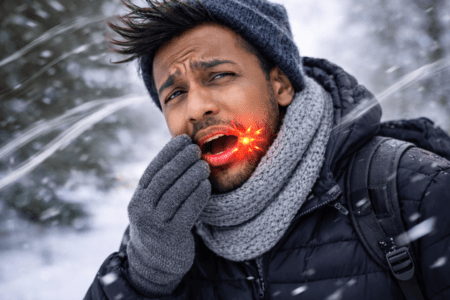
Your Lips Aren’t Being Dramatic—They’re in Open Rebellion

ItHurts Ouch Files: Lip Pain Edition 💋 Your Lips Aren’t Being Dramatic—They’re in Open Rebellion Why Lip Pain Feels Like a Personal Attack (and How to Shut It Down) Lip pain can appear suddenly and feel surprisingly disruptive. Dryness, irritation, weather exposure, dehydration, or allergic reactions can cause lips to crack, burn, or become extremely sensitive. 3 Practical Ways to Calm Lip Irritation 1️⃣ Avoid Licking Your Lips Saliva evaporates quickly and can worsen dryness. Apply a thick, fragrance-free balm regularly to protect and seal moisture. 🧴 Use Gentle Lip Care Avoid products containing menthol, mint, cinnamon, or camphor while lips are irritated. Use soothing balms or ointments overnight. 🚨 Pay Attention to Persistent Symptoms Ongoing cracking, burning, or swelling may relate to dehydration, allergies, nutrient deficiencies, or environmental factors. The Reality Check Lip pain may seem minor, but constant irritation can affect eating, speaking, and confidence. If symptoms last longer than two weeks or worsen, professional medical evaluation is recommended. If it Hurts we can help. If pain has taken over your sleep, your mood, or your search history, come find your people. Join the ItHurts Community Disclaimer: Enjoy the “Ouch Files” for the laughs and the lessons, but treat us like a witty friend rather than a diagnostic tool. We aren’t doctors, and this content is not medical advice. Persistent or severe lip pain should be evaluated by a qualified healthcare professional.

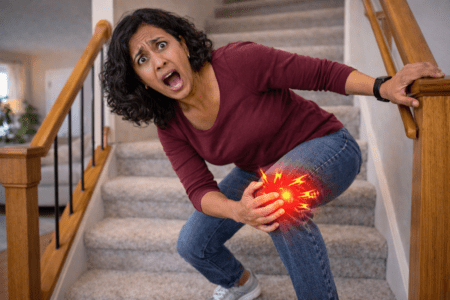
Your Knees Are Not Broken—They’re Just Furious With You

ItHurts Ouch Files: Knee Pain Edition 🦵 Your Knees Are Not Broken—They’re Just Furious With You A survival guide for anyone whose knees crack, pop, protest, and occasionally threaten to quit without notice. Your knees endure years of strain from daily habits—sitting awkwardly, running, bending, and carrying body weight. Over time, muscles around the joint can weaken, posture can shift, and the knees start sending very loud complaints. 3 Practical Ways to Support Your Knees 🧠 Strengthen Your Hips and Glutes Exercises like bridges, clamshells, and side leg raises help support knee alignment and reduce pressure on the joint. 🧎 Improve Sitting and Movement Posture Sit with feet flat and knees hip-width apart. Avoid prolonged cross-legged sitting and take movement breaks every 30–45 minutes. 👟 Wear Supportive Footwear Shoes with proper arch support and stability help reduce unnecessary stress traveling up to the knees. The Reality Check Knee pain often reflects overload rather than permanent damage. Strengthening supporting muscles, improving posture, and choosing supportive footwear can make a meaningful difference over time. If it Hurts we can help. If pain has taken over your sleep, your mood, or your search history, come find your people. Join the ItHurts Community Disclaimer: Enjoy the “Ouch Files” for the laughs and the lessons, but treat us like a witty friend rather than a diagnostic tool. We aren’t doctors, and this content is not medical advice. If knee pain is severe, persistent, or accompanied by swelling or instability, consult a qualified medical professional.

Jaw Pain: When Your Face Decides to Unionize Against You

ItHurts Ouch Files: Jaw Pain Edition Jaw Pain: When Your Face Decides to Unionize Against You If chewing feels athletic and yawning requires negotiation, your jaw may simply be overloaded. Clenching, posture, and stress are common triggers for jaw tension. Jaw pain often comes from muscle tension, teeth grinding, forward head posture, and stress. Because the jaw connects to the temples, neck, and shoulders, irritation can spread and feel more intense than expected. 3 Practical Ways to Reduce Jaw Tension 🦷 Reset Your Resting Jaw Position Keep your tongue lightly on the roof of the mouth, teeth slightly apart, and lips relaxed. This reduces unnecessary muscle contraction. 💆 Massage the Jaw Muscles Apply gentle circular pressure to the masseter muscles and temples for 60–90 seconds to improve circulation and reduce tension. 📱 Correct Forward Head Posture Keep screens at eye level, align ears over shoulders, and use gentle chin tucks to reduce strain on the jaw and neck. The Honest Reminder If your jaw locks, clicks painfully, or interferes with eating or sleep, a professional evaluation may help prevent long-term issues. If it Hurts we can help. If pain has taken over your sleep, your mood, or your search history, come find your people. Join the ItHurts Community Disclaimer: Enjoy the “Ouch Files” for the laughs and the lessons, but treat us like a witty friend rather than a diagnostic tool. We aren’t doctors, and this content is not medical advice. Persistent or severe jaw pain should always be evaluated by a qualified healthcare professional.

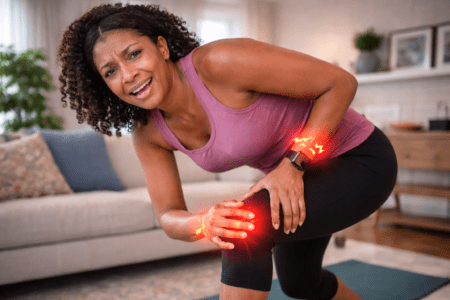
Joint Pain: When Your Knees Start Sending Hate Mail and Your Elbows File Formal Complaints

ItHurts Ouch Files: Joint Pain Edition Joint Pain: When Your Knees Start Sending Hate Mail If standing up suddenly feels complicated and your joints sound like a bowl of cereal, your body may simply be asking for better support, movement, and recovery. Joint pain often develops from stiffness, inflammation, muscle weakness, repetitive strain, or poor movement patterns. Joints rely on surrounding muscles and regular movement to remain healthy and supported. 3 Practical Ways to Support Joint Health 🦴 Move Consistently Gentle range-of-motion exercises and light joint circles help distribute synovial fluid and reduce stiffness. 🔥❄️ Manage Inflammation Heat can relax stiff joints while cold therapy may help reduce swelling during flare-ups. 👟 Strengthen and Support Strength training, supportive footwear, and compression sleeves can reduce joint stress and improve stability. The Honest Truth Joint pain is often feedback rather than permanent damage. Consistent movement, strength, and recovery strategies can significantly improve long-term comfort. If it Hurts we can help. If pain has taken over your sleep, your mood, or your search history, come find your people. Join the ItHurts Community Disclaimer: Enjoy the “Ouch Files” for the laughs and the lessons, but treat us like a witty friend rather than a diagnostic tool. We aren’t doctors, and this content is not medical advice. Persistent or severe joint pain should always be evaluated by a qualified healthcare professional.

Hemorrhoids: When Your Butt Becomes the Main Character (And It’s a Villain)

ItHurts Ouch Files: Hemorrhoid Edition Hemorrhoids: When Your Butt Becomes the Main Character When sitting feels like betrayal and your body refuses negotiations, swollen rectal veins may be the culprit. The good news: pressure reduction and smarter habits can calm things down. Hemorrhoids are swollen veins in the rectal area caused by pressure, straining, dehydration, prolonged sitting, or poor circulation. They are common and uncomfortable, but many flare-ups improve with simple lifestyle adjustments. 3 Practical Ways to Calm the Chaos 🚽 Reduce Straining Increase fiber gradually, stay hydrated, and avoid forcing bowel movements. Less pressure on rectal veins reduces swelling and irritation. ❄️ Use Cold and Warm Therapy Cold packs can reduce inflammation, while warm sitz baths help relax surrounding tissue and improve circulation. 🪑 Adjust Sitting Habits Use a pressure-relieving cushion, stand regularly, and include light daily movement to reduce compression on affected veins. The Honest Reality Most hemorrhoid flare-ups improve when pressure is reduced and circulation improves. Persistent pain or heavy bleeding should always be evaluated by a medical professional. If it Hurts we can help. If pain has taken over your sleep, your mood, or your search history, come find your people. Join the ItHurts Community Disclaimer: Enjoy the “Ouch Files” for the laughs and the lessons, but treat us like a witty friend rather than a diagnostic tool. We aren’t doctors, and this content is not medical advice. Persistent or severe symptoms should always be evaluated by a qualified healthcare professional.

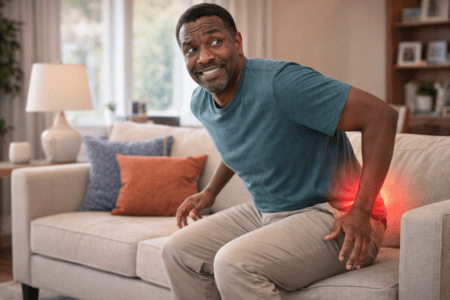
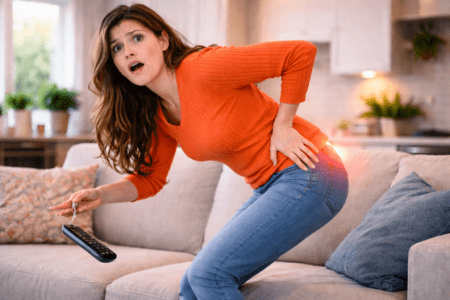
Hip Pain: When Your Body Files a Formal Complaint Because You Sat “Wrong”

ItHurts Ouch Files: Hip Pain Edition Hip Pain: When Your Body Files a Formal Complaint Because You Sat “Wrong” If standing up from the couch feels like an HR violation, you’re not broken. Your hips are simply reacting to posture habits, tight muscles, and underused support structures. Hip pain often develops gradually. Long hours of sitting, tight hip flexors, weak glutes, and altered walking mechanics place extra stress on the joint. In many cases, the hip itself isn’t damaged — it’s simply overloaded and under-supported. 3 Practical Ways to Calm the Complaint 🪑 Improve Sitting Mechanics Keep feet flat, hips slightly higher than knees, and avoid crossing your legs for long periods. Balanced sitting reduces hip flexor shortening and glute shutdown. 🧘 Restore Hip Mobility Daily Incorporate gentle hip flexor stretches, figure-4 stretches, and light movement throughout the day. Mobility reduces tension around the joint and improves movement patterns. 🚶 Refine Your Walking Pattern Take slightly shorter strides, maintain upright posture, and lightly engage your core while walking. These adjustments reduce compensatory strain on the hip joint. The Real Message Hip pain is usually feedback rather than failure. Small adjustments in posture, strength, and movement habits often lead to noticeable improvement over time. If it Hurts we can help. If pain has taken over your sleep, your mood, or your search history, come find your people. Join the ItHurts Community Disclaimer: Enjoy the “Ouch Files” for the laughs and the lessons, but treat us like a witty friend rather than a diagnostic tool. We aren’t doctors, and this content is not medical advice. Persistent or severe hip pain should always be evaluated by a qualified medical professional.