United States
Afghanistan
Albania
Algeria
Andorra
Angola
Argentina
Armenia
Australia
Austria
Azerbaijan
Bahrain
Bangladesh
Barbados
Belarus
Belgium
Belize
Benin
Bhutan
Bolivia
Bosnia and Herzegovina
Botswana
Brazil
Brunei
Bulgaria
Burkina Faso
Burundi
Cambodia
Cameroon
Canada
Cape Verde
Central African Republic
Chad
Chile
China
Colombia
Comoros
Congo
Costa Rica
Croatia
Cuba
Cyprus
Czech Republic
Denmark
Djibouti
Dominican Republic
Ecuador
Egypt
El Salvador
Estonia
Ethiopia
Finland
France
Gabon
Gambia
Georgia
Germany
Ghana
Greece
Guatemala
Guinea
Guyana
Haiti
Honduras
Hungary
Iceland
India
Indonesia
Iran
Iraq
Ireland
Israel
Italy
Jamaica
Japan
Jordan
Kazakhstan
Kenya
Kuwait
Kyrgyzstan
Laos
Latvia
Lebanon
Lesotho
Liberia
Libya
Lithuania
Luxembourg
Madagascar
Malawi
Malaysia
Maldives
Mali
Malta
Mauritania
Mauritius
Mexico
Moldova
Mongolia
Montenegro
Morocco
Mozambique
Myanmar
Namibia
Nepal
Netherlands
New Zealand
Nicaragua
Niger
Nigeria
Norway
Oman
Pakistan
Panama
Paraguay
Peru
Philippines
Poland
Portugal
Qatar
Romania
Russia
Rwanda
Saudi Arabia
Senegal
Serbia
Singapore
Slovakia
Slovenia
South Africa
South Korea
Spain
Sri Lanka
Sudan
Sweden
Switzerland
Syria
Taiwan
Tajikistan
Tanzania
Thailand
Turkey
Turkmenistan
Uganda
Ukraine
United Arab Emirates
United Kingdom
United States
Uruguay
Uzbekistan
Venezuela
Vietnam
Yemen
Zambia
Zimbabwe

News

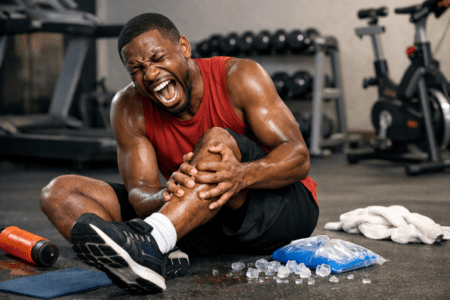
SHIN SPLINTS: When Your Legs File a Formal Complaint Against You

ItHurts Ouch Files: Shin Splints Edition SHIN SPLINTS: When Your Legs File a Formal Complaint Against You Shin splints occur when the muscles and connective tissues around the shin bone become overworked and irritated, often due to increased activity, improper footwear, or repetitive stress. This can lead to persistent pain during walking, running, or even daily movement. Shin splints are what happen when your legs wake up one day and say, “Absolutely not.” You didn’t fall. You didn’t get tackled. You just existed—and now your shins feel like they’ve been whacked with a rolled-up newspaper by a very disappointed fitness god. Walking hurts. Running is a fantasy. Even thinking about stairs feels threatening. Welcome to shin splints—the pain condition that punishes enthusiasm, ambition, and “I’ll just push through it” energy. Shin splints happen when the muscles and connective tissues around your shin bone get overworked and irritated. Overtraining, poor footwear, sudden increases in activity, and awkward movement patterns all contribute to this painful rebellion. 3 Practical Strategies to Calm Your Angry Shins 🦴 Stop Treating Pain Like a Motivation Strategy Reduce high-impact activities and switch to low-impact options like cycling or swimming. Apply ice to your shins for 15–20 minutes after activity to help calm inflammation. Rest isn’t quitting—it’s strategy. 👟 Your Shoes Might Be the Villain Wear proper footwear with good arch support and activity-specific design. Replace worn-out shoes regularly to reduce stress on your shins and improve shock absorption. 🧘 Stretch Like You Mean It Perform daily calf stretches, toe raises, and ankle mobility exercises. Flexible muscles absorb shock better, reducing strain on your shins and preventing further irritation. The Recovery Reality Shin splints don’t mean you’re weak—they mean your body wants cooperation, not domination. Ignoring pain and pushing through it often leads to longer recovery times and more persistent discomfort. With proper rest, better footwear, and consistent stretching, most cases improve over time. The goal isn’t to stop moving—it’s to move smarter. If it Hurts we can help. Join a supportive community where people share experiences, recovery strategies, and encouragement while navigating pain and injury. Join the ItHurts Community Disclaimer: Enjoy the “Ouch Files” for the laughs and the lessons, but treat us like a supportive friend rather than a diagnostic tool. We aren’t doctors, and this content is not medical advice. Always consult a qualified healthcare professional for diagnosis and treatment of persistent symptoms.

Your Shoulder Is Not a Traitor—It’s Just Overworked, Underpaid, and Filing a Complaint

ItHurts Ouch Files: Rotator Cuff & Shoulder Pain Edition Your Shoulder Is Not a Traitor—It’s Just Overworked, Underpaid, and Filing a Complaint Rotator cuff pain occurs when the group of muscles and tendons that stabilize the shoulder joint become irritated, strained, or inflamed. This can cause discomfort during lifting, reaching, or everyday movements. The rotator cuff is a group of muscles and tendons that help stabilize the shoulder joint and allow controlled arm movement. Repetitive overhead motion, poor posture, or muscle imbalances can place excessive stress on these tissues, leading to irritation and pain. Many cases of rotator cuff discomfort improve with proper strengthening, posture adjustments, and activity modification. 3 Practical Strategies to Support Rotator Cuff Recovery 💪 Strengthen Shoulder Stabilizers Exercises such as resistance band external rotations and controlled shoulder stabilization movements may help strengthen the rotator cuff and improve joint control. 🪑 Improve Posture and Workspace Setup Maintaining proper posture, adjusting screen height, and taking regular movement breaks may reduce shoulder compression caused by forward head and rounded shoulder positions. ❄️🔥 Use Ice and Heat Strategically Ice applied after aggravating activity may help calm inflammation, while gentle heat before movement can help improve circulation and flexibility. The Recovery Reality Rotator cuff irritation often develops gradually due to repeated stress and muscle imbalance. Consistent strengthening, improved posture, and gradual activity adjustments can help reduce pain and restore shoulder function over time. If it Hurts we can help. Join a supportive community where people share experiences, recovery strategies, and encouragement while navigating pain and injury. Join the ItHurts Community Disclaimer: Enjoy the “Ouch Files” for the laughs and the lessons, but treat us like a supportive friend rather than a diagnostic tool. We aren’t doctors, and this content is not medical advice. Always consult a qualified healthcare professional for diagnosis and treatment of persistent symptoms.

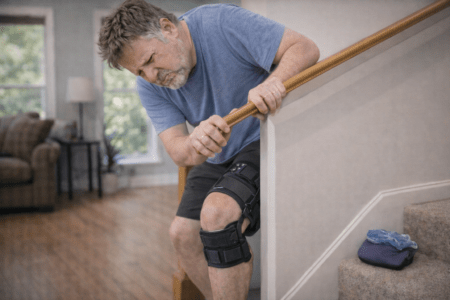
Your Knee Didn’t “Pop”—It Filed a Formal Complaint: The MCL Sprain Survival Guide

ItHurts Ouch Files: Knee Ligament Injury Edition Your Knee Didn’t “Pop”—It Filed a Formal Complaint: The MCL Sprain Survival Guide An MCL (Medial Collateral Ligament) sprain occurs when the ligament on the inner side of the knee becomes stretched or torn. This can cause pain, swelling, and instability when walking or bending the knee. The MCL helps stabilize the knee and prevents it from collapsing inward. It can become injured during sudden twisting movements, sports activities, or awkward steps that place excessive stress on the inner knee. Most mild to moderate MCL sprains improve with rest, controlled rehabilitation, and strengthening exercises that support knee stability. 3 Practical Tips to Support MCL Sprain Recovery 🧊 Reduce Swelling and Irritation Ice therapy applied for 15–20 minutes several times daily may help reduce swelling and discomfort. Elevation and light compression can also support inflammation management. 🦵 Protect the Knee During Healing A supportive brace or compression sleeve may help stabilize the knee while avoiding activities that involve deep bending, twisting, or sudden side-to-side movement. 💪 Strengthen Supporting Muscles Exercises such as quad sets, straight leg raises, and glute bridges may help rebuild stability and reduce stress on the injured ligament as recovery progresses. The Recovery Reality Recovery time varies depending on the severity of the sprain. Gradual rehabilitation, proper rest, and strengthening surrounding muscles can help restore stability and reduce the risk of recurring knee injuries. If it Hurts we can help. Join a supportive community where people share experiences, recovery tips, and encouragement while navigating pain and injury. Join the ItHurts Community Disclaimer: Enjoy the “Ouch Files” for the laughs and the lessons, but treat us like a supportive friend rather than a diagnostic tool. We aren’t doctors, and this content is not medical advice. Always consult a qualified healthcare professional for diagnosis and treatment of persistent symptoms.

LABRAL TEAR: When Your Joint Quietly Files a Formal Complaint Against You

ItHurts Ouch Files: Labral Tear & Joint Stability Edition LABRAL TEAR: When Your Joint Quietly Files a Formal Complaint Against You A labral tear occurs when the cartilage ring that stabilizes the hip or shoulder joint becomes damaged. This can cause joint pain, clicking sensations, stiffness, and instability during everyday movement. The labrum is a ring of cartilage that helps stabilize joints such as the hip and shoulder. It deepens the socket, improves joint alignment, and supports smooth movement. When the labrum tears due to injury, repetitive stress, or structural issues, it can cause pain, instability, and mechanical symptoms such as clicking or catching. Many people manage labral tears with conservative treatment including strengthening, movement modifications, and pain management strategies. 3 Practical Strategies to Manage a Labral Tear 🧠 Modify Movements That Irritate the Joint Avoid deep twisting, pivoting, or extreme joint positions that increase pressure on the labrum. Controlled, pain-free movement helps reduce irritation while the joint stabilizes. 💪 Strengthen Joint Stabilizers Strengthening surrounding muscles can help reduce stress on the injured labrum. Exercises targeting glutes and hip stabilizers (for hip tears) or rotator cuff and scapular muscles (for shoulder tears) can improve joint support. 🧊 Manage Inflammation and Discomfort Ice therapy after activity may help calm inflammation, while gentle heat before movement may help relax surrounding muscles and improve mobility. The Recovery Reality Labral tears can vary widely in severity. Some improve with rehabilitation and activity modification, while others may require medical evaluation or specialized treatment. Listening to the body and progressing gradually can help reduce flare-ups and support long-term joint health. If it Hurts we can help. Join a supportive community where people share experiences, pain management strategies, and encouragement while navigating injury and recovery. Join the ItHurts Community Disclaimer: Enjoy the “Ouch Files” for the laughs and the lessons, but treat us like a supportive friend rather than a diagnostic tool. We aren’t doctors, and this content is not medical advice. Always consult a qualified healthcare professional for diagnosis and treatment of persistent symptoms.

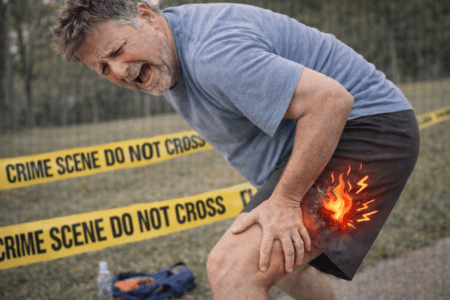
Your Hamstring Didn’t Betray You — You Betrayed It

ItHurts Ouch Files: Hamstring Injury Edition Your Hamstring Didn’t Betray You — You Betrayed It A hamstring strain occurs when the muscles at the back of the thigh are overstretched or torn. This can lead to pain, tightness, and difficulty walking, bending, or sitting comfortably. The hamstring muscles help control hip movement and knee bending during walking, running, and lifting. Sudden movements, overstretching, or muscle weakness can cause these muscles to strain. Most hamstring strains improve with rest, controlled movement, and gradual strengthening as the tissue heals. 3 Practical Tips to Support Hamstring Strain Recovery 🧊 Manage Early Inflammation During the first few days after injury, rest and ice therapy may help reduce swelling and discomfort. Apply ice for 15–20 minutes several times a day while avoiding activities that aggravate pain. 🏋️ Gradually Restore Strength As pain decreases, gentle strengthening exercises such as glute bridges and controlled hamstring activation can help rebuild muscle stability and prevent reinjury. 🪑 Improve Movement and Posture Long periods of sitting can tighten hamstrings and weaken supporting muscles. Taking regular standing breaks and maintaining healthy posture may help reduce strain on the back of the legs. The Recovery Reality Hamstring strains often improve within several weeks when treated with proper care and progressive rehabilitation. Returning to activity gradually helps prevent repeated injury and supports long-term muscle health. If it Hurts we can help. Join a supportive community where people share real experiences, recovery strategies, and encouragement while managing pain. Join the ItHurts Community Disclaimer: Enjoy the “Ouch Files” for the laughs and the lessons, but treat us like a supportive friend rather than a diagnostic tool. We aren’t doctors, and this content is not medical advice. Always consult a qualified healthcare professional for diagnosis and treatment of persistent symptoms.

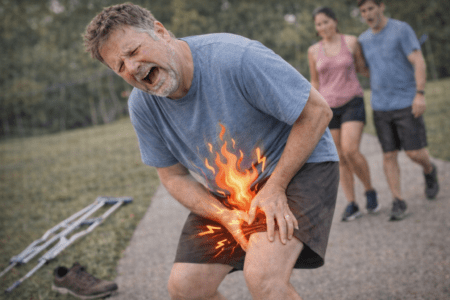
You Didn’t Pull a Muscle — Your Groin Declared War

ItHurts Ouch Files: Groin Strain & Hip Muscle Edition You Didn’t Pull a Muscle — Your Groin Declared War A groin strain occurs when the adductor muscles of the inner thigh are overstretched or torn. This injury can cause pain, stiffness, and difficulty with walking, running, or changing direction. The groin muscles help stabilize the hips and legs during movement. Sudden changes in direction, overstretching, or muscle weakness can cause these muscles to strain. Symptoms may include inner thigh pain, tightness, swelling, and difficulty moving the leg comfortably. Most mild to moderate groin strains improve with rest, controlled movement, and gradual strengthening exercises. 3 Practical Tips to Support Groin Strain Recovery 😬 Avoid Aggressive Stretching Early Gentle range-of-motion movements are recommended during early recovery. Overstretching a strained muscle may delay healing and increase irritation. 🧊 Manage Pain and Inflammation Ice packs applied for 15–20 minutes during the first few days may help reduce inflammation and discomfort. Heat therapy may be helpful later to improve circulation and relax muscles. 💪 Gradually Strengthen Supporting Muscles Exercises such as glute bridges, side-lying leg lifts, and controlled adductor strengthening can help restore hip stability and reduce the risk of future strain. The Recovery Reality Groin strains often improve within a few weeks when treated with proper rest and rehabilitation. Gradual return to normal activity and strengthening surrounding muscles may help prevent recurring injuries. If it Hurts we can help. Join a supportive community where people share experiences, recovery strategies, and encouragement while managing pain. Join the ItHurts Community Disclaimer: Enjoy the “Ouch Files” for the laughs and the lessons, but treat us like a supportive friend rather than a diagnostic tool. We aren’t doctors, and this content is not medical advice. Always consult a qualified healthcare professional for diagnosis and treatment of persistent symptoms.