

When Sex Feels Like a Betrayal: A Survival Guide for Dyspareunia (a.k.a. “Why Is My Body Filing a Complaint?”)
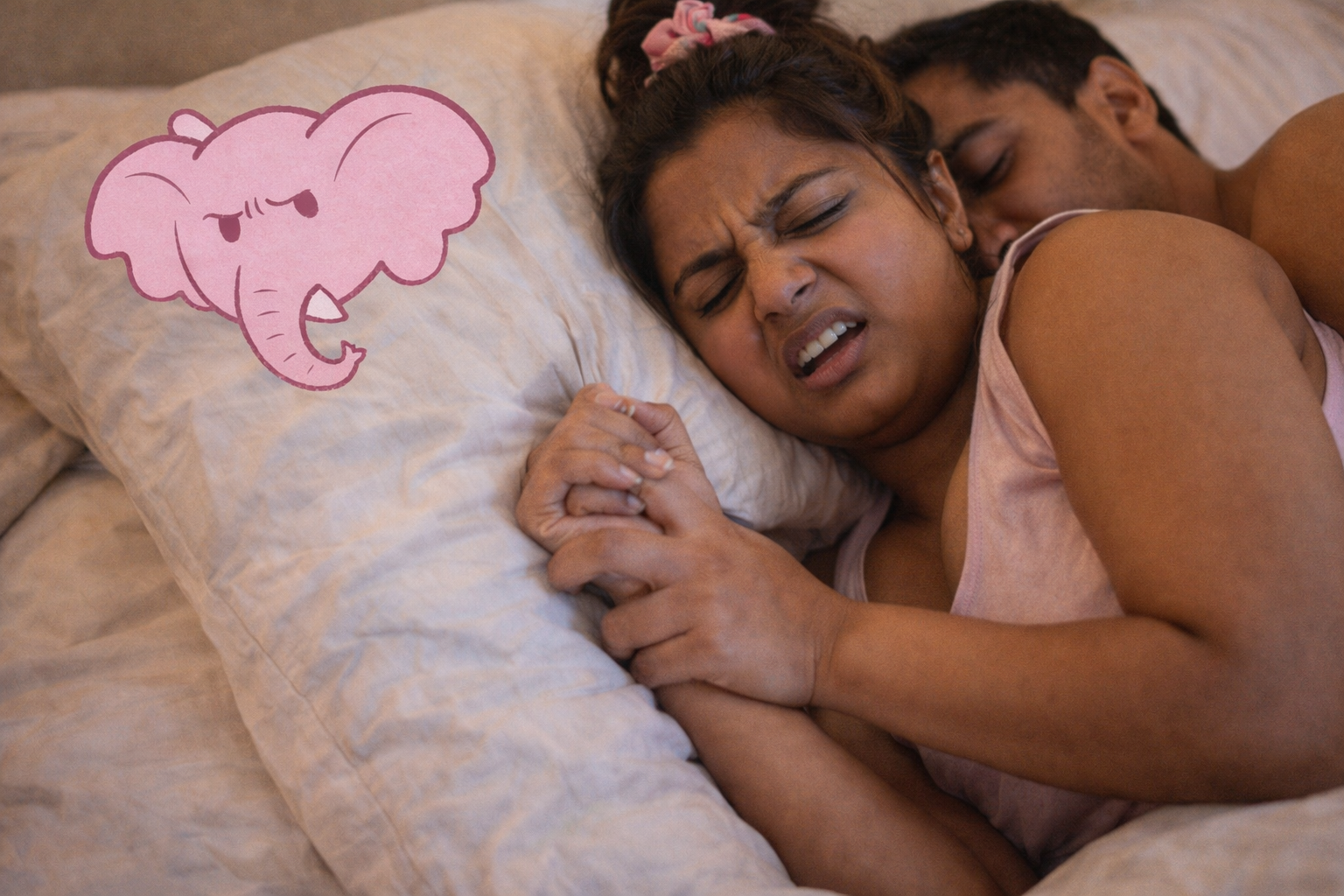
Sex is supposed to feel good—not like your body is staging a protest. But for many people, intimacy can feel like an ambush, where comfort disappears and pain takes over unexpectedly.
If you’ve ever wondered whether this is normal, the answer is simple: it’s common—but it’s not something you have to accept.
This isn’t about “trying harder” or “relaxing more.” It’s about understanding what your body is experiencing and responding with the right tools.
3 Practical Ways to Reduce Pain and Regain Control
Seek support from a pelvic floor specialist if needed. Gentle breathing and relaxation techniques can help reduce muscle tension and improve comfort.
Proper lubrication reduces friction and protects sensitive tissues. Choose high-quality, fragrance-free options and use generously.
Take pressure off painful experiences and focus on comfort-first intimacy. Gradual progression helps retrain your body to feel safe again.
The Recovery Reality
Pain during sex is not something you should ignore or normalize. It’s your body communicating—and that communication deserves attention.
You deserve comfort, control, and a sense of safety in your own body. And with the right support, that is absolutely possible.
If it Hurts we can help.
Join a supportive community where people share real experiences, guidance, and encouragement—without judgment or stigma.
Join the ItHurts Community