

Your Bladder Is Gaslighting You: A Survival Guide to Interstitial Cystitis
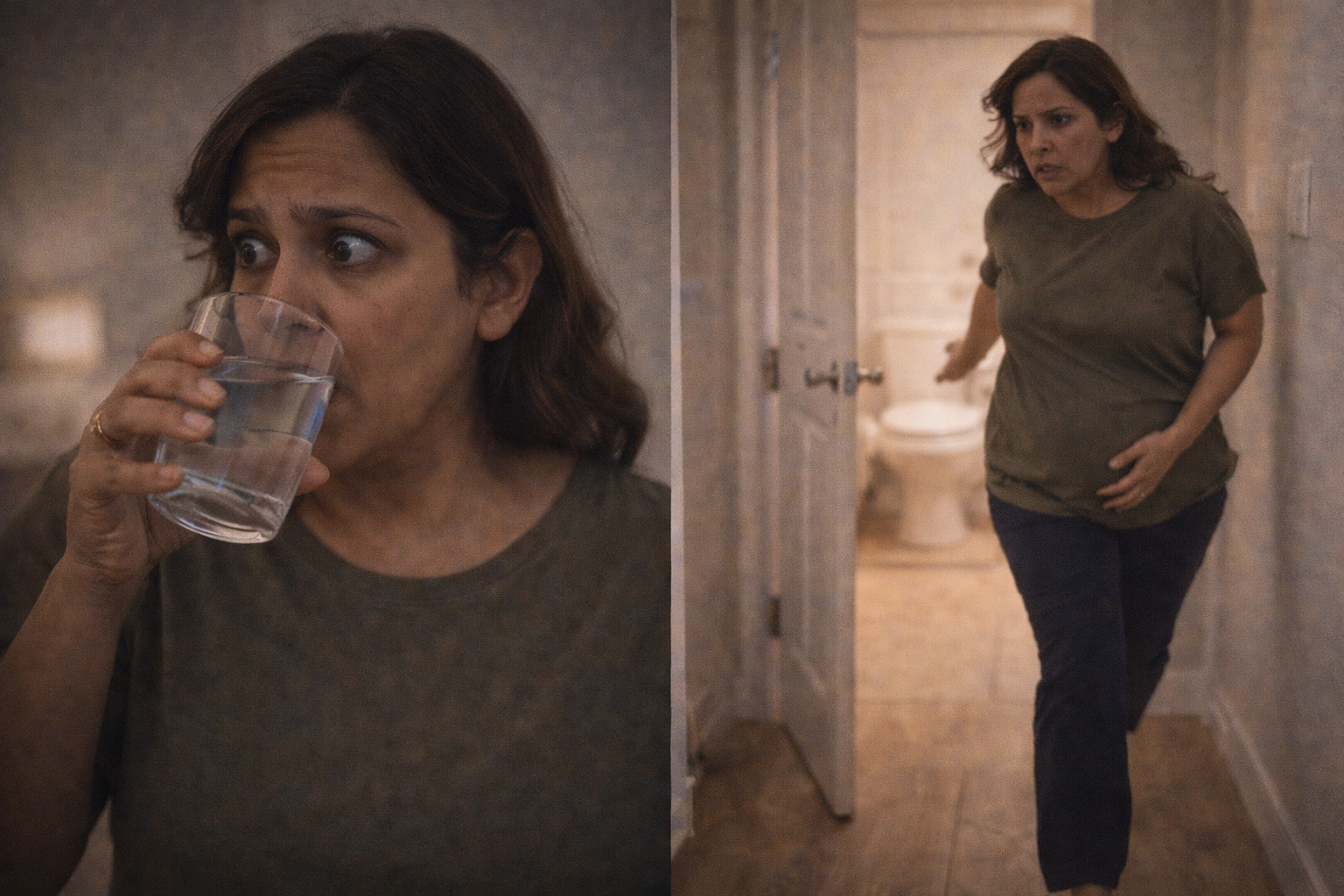
When your bladder hurts whether it’s full, empty, or minding its own business, it’s not “just stress.” It’s a real condition that affects how you move through your day.
Interstitial Cystitis can feel unpredictable, frustrating, and exhausting—but you are not imagining it, and you are not alone.
This isn’t about ignoring the pain. It’s about understanding it—and learning how to manage it more effectively.
3 Practical Ways to Reduce Bladder Pain
Limit bladder irritants like caffeine, alcohol, and acidic foods. Focus on gentle, low-irritation foods to help calm symptoms during flare-ups.
Practice slow breathing, reduce stress, and avoid unnecessary muscle tension. Relaxation techniques can help reduce urgency and discomfort.
Track symptoms, identify triggers, and consult healthcare professionals for personalized treatment options. Finding the right support can make a significant difference.
The Recovery Reality
IC is a chronic condition, but that doesn’t mean you’re powerless. With the right strategies and support, symptoms can become more manageable over time.
You’re not overreacting—you’re responding to real pain. And that deserves attention, care, and understanding.
If it Hurts we can help.
Join a supportive community where people share real experiences, coping strategies, and encouragement—without judgment.
Join the ItHurts Community