
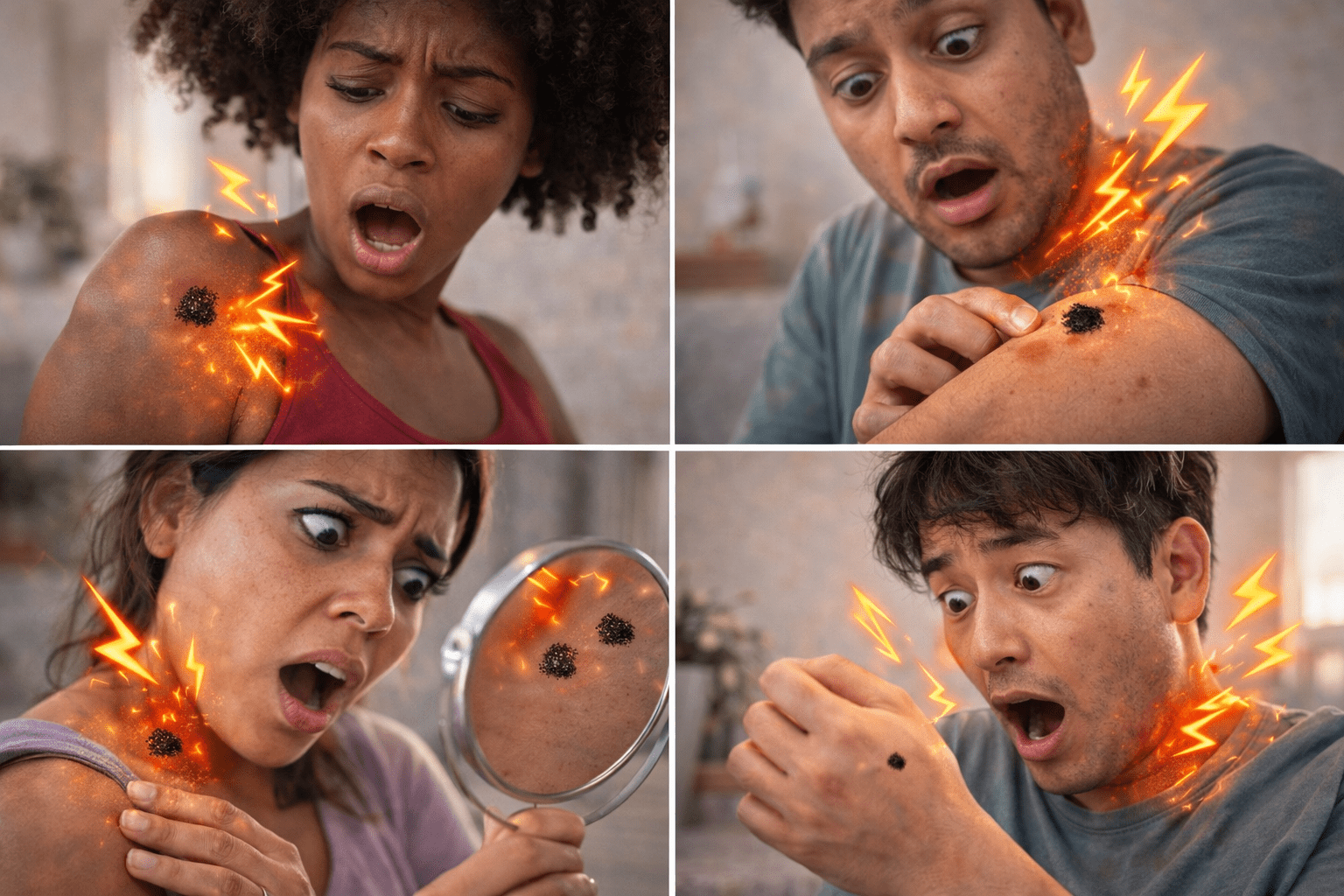
Melanoma is a serious form of skin cancer that can begin with a small change in a mole or patch of skin. At first it may not cause pain, but the treatments, surgeries, and emotional stress associated with melanoma can significantly affect comfort and wellbeing.
Early awareness and protective habits can help reduce risk and improve outcomes. Understanding what to watch for—and when to seek help—can make a meaningful difference.
3 Practical Strategies That May Help Protect Skin Health
🧴 Use Sunscreen Daily
Ultraviolet (UV) exposure is a major risk factor for melanoma and other skin cancers.
- Use broad-spectrum SPF 30 or higher every day
- Reapply sunscreen every two hours when outdoors
- Protect commonly missed areas such as ears, scalp, neck, and feet
Regular sun protection helps reduce cumulative UV damage that can lead to abnormal skin cell changes.
🔍 Perform Regular Skin Checks
Monitoring your skin regularly can help identify changes early.
- Asymmetry – one half looks different from the other
- Border – edges appear irregular or uneven
- Color – uneven colors or multiple shades
- Diameter – larger than about 6 mm
- Evolving – changes in size, shape, or sensation
Early detection allows medical professionals to evaluate suspicious changes before they progress.
🧠 Address Pain and Emotional Stress
After melanoma treatment, people may experience physical discomfort as well as emotional stress or anxiety.
- Follow professional guidance for scar care or physical recovery
- Use relaxation techniques such as breathing exercises or mindfulness
- Seek support from trusted communities or healthcare providers
Addressing both physical and emotional aspects of recovery can help improve overall wellbeing.
You Are Not Alone
Skin cancer experiences can feel overwhelming, but support networks and shared experiences can help people navigate recovery and long-term care more confidently.
⚠️ Disclaimer
I am not a doctor. This content is for informational purposes only and should not replace professional medical advice.
Melanoma and suspicious skin changes require evaluation and treatment by qualified healthcare professionals. Always consult your healthcare provider for diagnosis, screening, and treatment guidance.
If it Hurts we can help.
Join ItHurts — the Social Network for Pain.
A place where people living with pain can learn, listen, and share experiences with others who truly understand.
Visit ItHurts