

You’re Not a Bad Sleeper—You’re Being Mugged by Your Own Throat
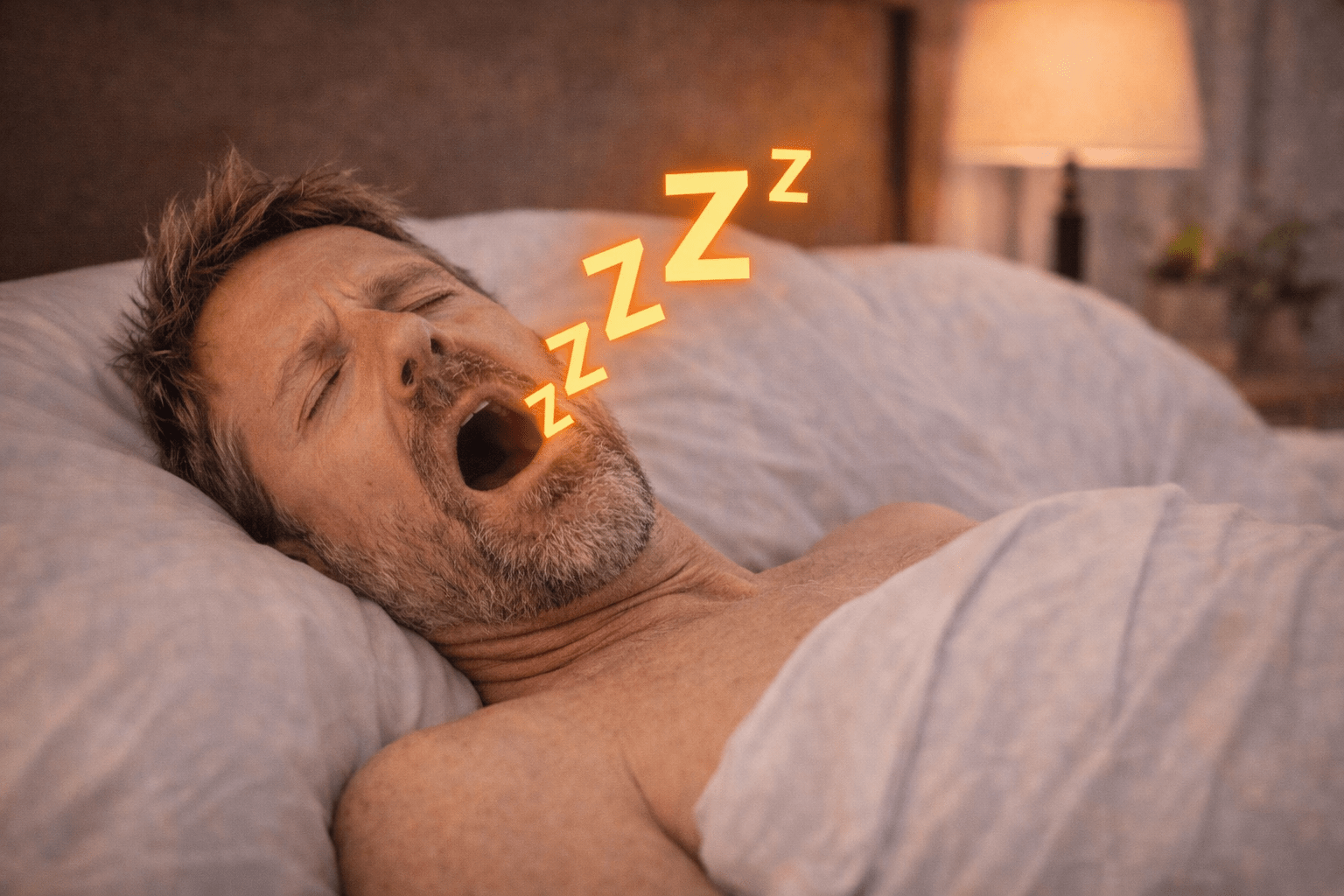
Many people assume feeling exhausted is simply part of a busy life. However, sleep apnea can cause repeated nighttime breathing interruptions that prevent the body from reaching deep, restorative sleep stages.
Common signs may include loud snoring, morning headaches, jaw pain, dry mouth, daytime fatigue, and difficulty concentrating. Identifying the issue early can significantly improve overall health and energy levels.
3 Practical Steps for Addressing Possible Sleep Apnea
Simple screening questionnaires and at-home sleep tests can help identify possible sleep apnea. If risk factors appear, a formal sleep study can provide a clear diagnosis and guide treatment.
Sleeping on the side instead of the back may help reduce airway obstruction. Using body pillows or elevating the head of the bed slightly can also support better nighttime breathing.
Custom oral appliances designed by dental professionals can gently reposition the jaw to help keep the airway open. Addressing jaw tension and nighttime grinding may also improve comfort.
The Honest Reality
Sleep apnea affects energy, concentration, mood, and physical recovery. When breathing during sleep improves, many people notice fewer headaches, better focus, and significantly improved daytime energy.
If it Hurts we can help.
Join a supportive community where people share real experiences and strategies for managing pain, fatigue, and sleep challenges.
Join the ItHurts Community