


A small bone that makes sitting hard
If you have found yourself shifting from one buttock to the other all through dinner, or wincing as you stand up from a chair, you already know how much the tailbone matters. The tailbone, or coccyx, is the small, triangle-shaped set of bones at the very bottom of the spine. It acts as one point of a tripod when you sit, along with your two sitting bones, and it anchors several muscles, tendons and ligaments of the pelvic floor.
Pain in this area has a medical name, coccydynia. It is usually felt as a deep ache or sharp pain right at the base of the spine, just above the buttock crease. It is often worst when sitting, especially leaning back, and when moving from sitting to standing.
How tailbone pain starts
- A fall onto your bottom. Slipping on ice or stairs and landing hard can bruise, sprain or occasionally fracture or dislocate the coccyx.
- Childbirth. The coccyx moves during vaginal delivery, and some people develop pain afterward.
- Long or repeated sitting, especially on hard or narrow surfaces, or with a slumped posture that rolls weight onto the tailbone.
- Activities with repeated pressure, such as cycling or rowing.
- Changes in body weight. Rapid weight loss can reduce natural padding, while extra weight can change how the pelvis tilts when you sit.
- Joint wear or extra movement in the small joints of the coccyx.
Sometimes no clear cause is found. Less commonly, pain near the tailbone comes from something else, such as an infected cyst at the top of the buttock crease (a pilonidal cyst), problems in the lower back or pelvis, or rarely a tumor. That is one reason ongoing pain deserves a proper check.
Making sitting bearable
Because sitting is the main trigger, small changes to how and where you sit often bring the biggest relief:
- Try a coccyx cushion. Wedge-shaped cushions with a cut-out at the back let the tailbone hang free. Many people prefer these to ring or donut cushions, which can still press on the coccyx.
- Lean slightly forward rather than back. This shifts weight onto your sitting bones and thighs.
- Sit on one buttock and then the other for short spells if a cushion isn't available.
- Get up often. Standing or walking for a minute every 20 to 30 minutes stops pressure from building.
- Stand up thoughtfully. Shift forward to the edge of the seat and lean forward before rising, using your legs and arms.
- Choose softer seats and avoid hard benches or low sofas that tip your pelvis back.
- Adjust your car seat so it is a little more upright, and use your cushion there too.
Other things that can help
- Cold or warmth. A wrapped cold pack can help in the first few days after a fall. Later, many people find warmth more soothing. Keep a cloth between skin and pack, and limit sessions to about 15 to 20 minutes.
- Avoid constipation. Straining can hurt. Fiber-rich food, fluids and regular movement help keep bowel movements easier.
- Gentle stretching and movement. Walking and gentle stretches for the hips and lower back keep things from stiffening.
- Loose clothing. Tight waistbands and seams can press on the area.
A pharmacist or doctor can advise on pain relief options that suit your health. For pain that hangs on, doctors and physical therapists may suggest further approaches, including pelvic floor physical therapy, which focuses on the muscles attached to the coccyx. In a small number of long-lasting cases, injections or, rarely, surgery may be discussed with a specialist.

Relief picks for tailbone pain
Hand-picked by ItHurts · an everyday option, a best overall and a clinical-grade upgrade
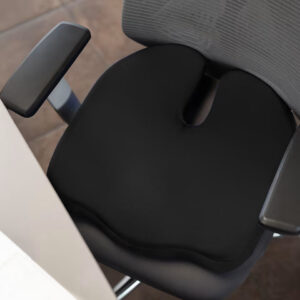
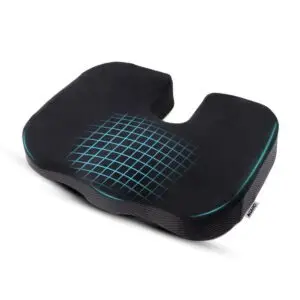




Some links are affiliate links. If you buy through them, ItHurts.com may earn a small commission at no extra cost to you.
When to see a doctor
Make an appointment if:
- The pain followed a significant fall or injury and is severe
- It hasn't improved after a few weeks of self-care
- There is swelling, redness, warmth or a lump near the tailbone or top of the buttock crease
- You have pain that is worse at night or when lying down, or unexplained weight loss
Seek urgent care if you have:
- Fever along with tailbone or lower back pain
- Numbness in the groin, genitals or inner thighs
- New trouble controlling your bladder or bowels
- Weakness or numbness in one or both legs
A doctor will usually ask about your history and examine the area. Imaging, such as X-rays taken while sitting and standing, may be used in some cases.
What recovery often looks like
For many people, tailbone pain improves gradually over weeks to a few months. It can feel slow, especially for those with desk jobs or long commutes. Planning ahead helps: bring your cushion to work, ask about a standing desk or more frequent breaks, choose aisle seats, and let friends know why you might stand at gatherings. Pain that changes how you sit and move can also make the lower back and hips achy, so gentle movement throughout the day matters.
Many people say the most frustrating part is how invisible it is. Talking with others who have been through it can be reassuring, and often yields good practical tips about cushions, car seats and work setups.
The bottom line
Tailbone pain usually comes from a fall, childbirth or pressure from sitting, and most cases ease with time. Taking pressure off the coccyx with a cut-out cushion, forward-leaning posture and frequent breaks helps many people. See a doctor if pain lasts beyond a few weeks or there is swelling, and seek urgent care for fever, numbness, leg weakness or bladder or bowel changes.
Find people who know the struggle
Our back and neck pain groups are a place to compare cushions, desk setups and recovery stories. For a clearer picture of your own symptoms, try the free ItHurts Pain Check-Up.
Join Back and Neck GroupsReviewed by the ItHurts editorial team · Last reviewed 18 October 2026 · General information, not medical advice. If you are worried about your symptoms, talk to a doctor.