


You don't realize how much you use it until it hurts
Try buttoning a shirt, turning a key or texting without your thumb. It's almost impossible. The thumb is involved in nearly every grip and pinch we make, so when it starts to ache, the pain shows up everywhere: opening jars, holding a coffee cup, lifting a pan, scrolling on your phone, even pulling up a zipper.
Thumb pain is very common, and the cause is often something that can be identified and managed. Knowing exactly where it hurts and what sets it off goes a long way toward figuring out what is going on.
Where it hurts can be a clue
The thumb has several joints, a set of tendons running along it to the wrist, and nerves passing nearby. Different problems tend to show up in different places.
- Pain at the base of the thumb, near the wrist (palm side). This is a common spot for thumb base arthritis, also called CMC or basal joint arthritis. It often aches with pinching, gripping, twisting lids or turning keys, and is more common with age.
- Pain along the thumb side of the wrist. De Quervain's tenosynovitis is irritation of two tendons that run along this edge. It often hurts when you make a fist, lift a baby or a heavy mug, or bend the wrist toward the little finger. New parents and people doing repetitive lifting are often affected.
- Catching, clicking or locking. If the thumb gets stuck when bending and then pops straight, trigger thumb may be the cause. There is often a tender spot at the base of the thumb on the palm side.
- Pain after a fall or a jammed thumb. A fall on an outstretched hand, or the thumb being bent backward or sideways (for example, catching a ball or falling while holding a ski pole), can sprain the ligament at the base of the thumb or cause a fracture.
- Numbness or tingling in the thumb and fingers. Pressure on the median nerve at the wrist (carpal tunnel syndrome) can cause tingling in the thumb, index and middle fingers, often worse at night.
Repetitive use such as long phone sessions, gaming, typing, gardening or crafting can irritate any of these structures, especially after a sudden increase in activity.
When to see a doctor
Get urgent care if you have:
- A thumb that looks deformed, or severe pain and swelling after an injury
- An inability to pinch or grip after a fall or a twist
- A hot, red, rapidly swelling thumb, especially with fever or after a cut or bite
- Sudden numbness, coldness or color change in the thumb
Make a regular appointment if you notice:
- Pain that lasts more than a couple of weeks or keeps getting worse
- Ongoing swelling, or a lump at the base of the thumb
- Clicking or locking that keeps coming back
- Numbness, tingling or weakness in the hand, or dropping things
- Pain that is affecting your sleep or your work
Thumb ligament injuries in particular are worth checking early. Some need a splint or cast, and a few need a specialist's opinion, so "waiting to see" after a significant injury is not always the best approach.
Small changes that ease the load
For most overuse-type thumb pain, the most helpful thing is often to reduce the pinching and twisting that aggravate it. Many people find these ideas useful:
- Use the whole hand. Carry bags over your forearm, lift mugs with two hands, and push doors with your palm rather than gripping handles tightly.
- Make grips bigger. Foam tubing on pens, cutlery and tools, or choosing items with thick handles, means less pinching force.
- Get help with lids and keys. Jar openers, rubber grip pads, key turners and electric can openers save a lot of strain.
- Rethink your phone use. Hold the phone in one hand and type with the other index finger, use voice-to-text, or prop the phone on a stand.
- Break up repetitive tasks. Short breaks every 20 to 30 minutes during typing, knitting or gardening give tendons a chance to settle.
- Watch your wrist position. Keeping the wrist fairly straight, rather than bent sharply toward the little finger, reduces stress on the tendons along the thumb side.
Relief picks for thumb pain
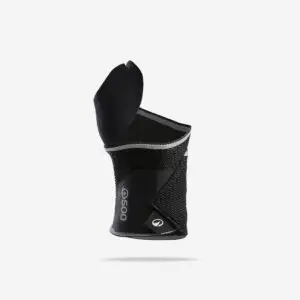
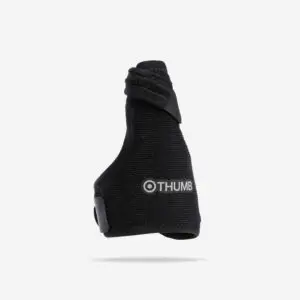
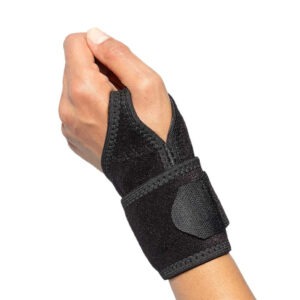
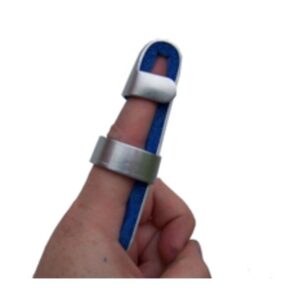
Hand-picked by ItHurts · an everyday option, a best overall and a clinical-grade upgrade


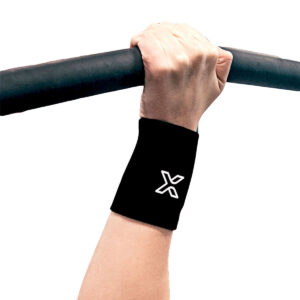

Some links are affiliate links. If you buy through them, ItHurts.com may earn a small commission at no extra cost to you.
Comfort, support and gentle movement
- Cold for flare-ups. A cold pack wrapped in a cloth for 10 to 15 minutes can ease a sore, swollen area.
- Warmth for stiffness. Some people with arthritis find warm water or a warm compress in the morning helps the joint feel looser.
- A thumb splint. A brace that supports the base of the thumb (often called a thumb spica splint) can rest irritated tendons or an arthritic joint, especially overnight or during demanding tasks. A hand therapist or doctor can advise on the right type.
- Gentle range-of-motion. Slowly touching the thumb to each fingertip, or making soft circles, helps maintain movement. Stop if it causes sharp pain.
Over-the-counter pain relief, including creams and gels, is worth asking a pharmacist about, particularly if you take other medicines. A doctor may also discuss options such as hand therapy or, for some conditions, an injection or a procedure if simpler measures are not enough.

Living with a sore thumb long term
For people with thumb arthritis, pain often comes and goes. Many find it helps to plan the day around their hands: spreading heavy chores across the week, using tools that do the gripping for them, and keeping a splint handy for flare-ups. A hand therapist (an occupational or physical therapist who specializes in the hand) can teach joint-protection techniques and exercises to strengthen the muscles that support the thumb.
It is easy to feel frustrated when a small joint limits so much. Asking for help with jars or heavy bags, or adapting a hobby, is a practical choice that helps you keep doing the things you enjoy.
To sum up
Thumb pain usually comes from the base joint, the tendons along the wrist, a triggering tendon, a nerve, or an injury. Reducing pinch and twist, supporting the joint and moving gently help many people. Get prompt care after a significant injury, and see a doctor for pain, swelling, locking or numbness that persists.
Join others managing hand pain
The free ItHurts Pain Check-Up can help you describe your symptoms clearly. For more people who understand, see our wrist, hand and finger pain groups.
Join the Thumb Pain GroupReviewed by the ItHurts editorial team · Last reviewed 18 October 2026 · General information, not medical advice. If you are worried about your symptoms, talk to a doctor.