

What a bunion actually is
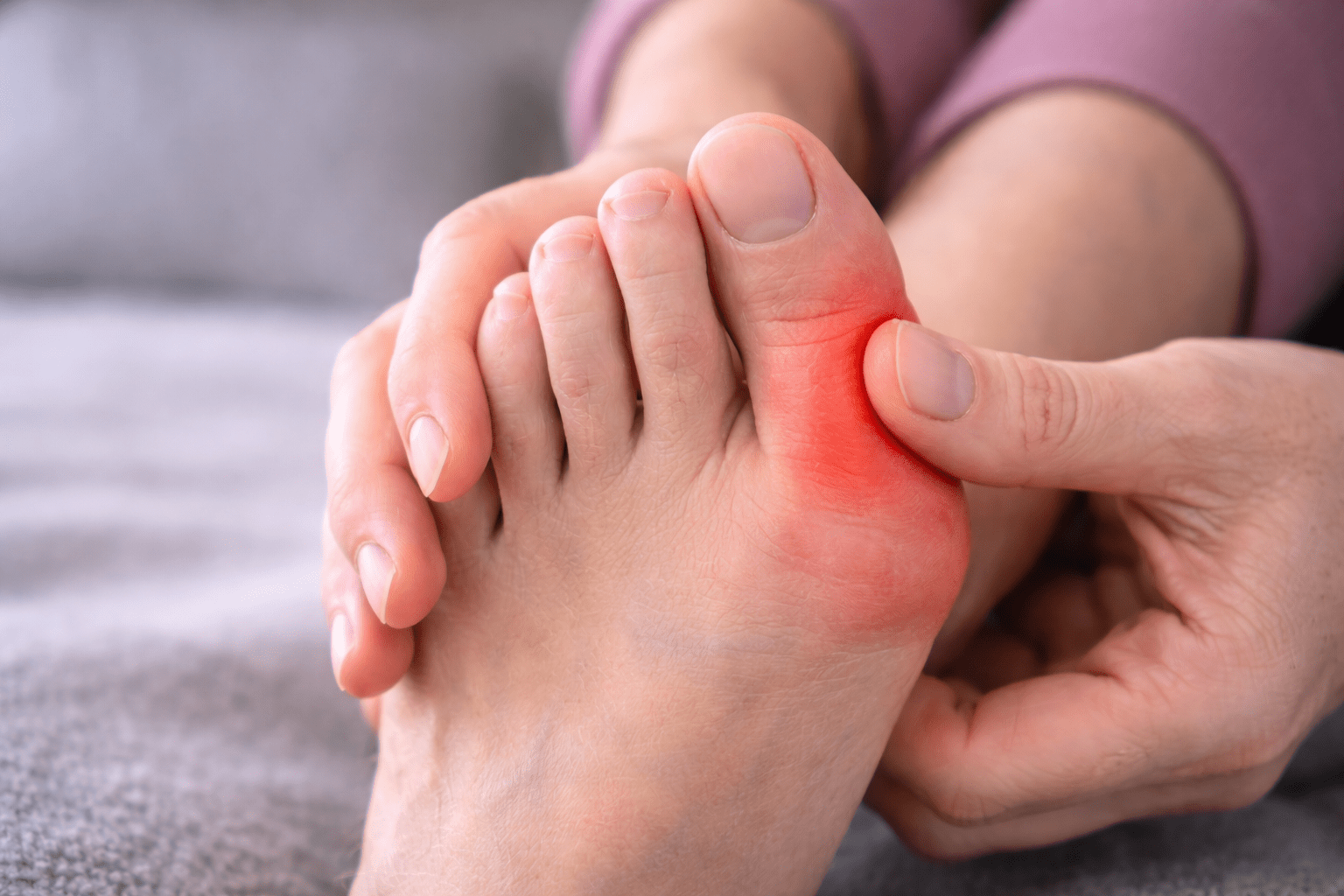
A bunion is a bony bump on the inner side of the foot, at the joint where the big toe meets the foot. It forms when the big toe gradually leans in toward the second toe and the long bone behind it, called the first metatarsal, drifts outward. The joint ends up sticking out, and the skin over it can become red, thickened and sore where it rubs against shoes.
The medical name is hallux valgus. Bunions usually develop slowly, over years. Some people have a noticeable bump and very little pain, while others find even a small bunion makes every pair of shoes uncomfortable. A smaller version can also form on the outside of the foot at the base of the little toe, sometimes called a bunionette or tailor's bunion.
Why some feet develop them
There is rarely a single cause. Common contributing factors include:
- Family history. Bunions often run in families, likely because foot shape and joint flexibility are inherited.
- Footwear. Narrow, pointed shoes and high heels push the toes together and add pressure to the joint. They are thought to make bunions worse and more painful, even if they are not the only cause.
- Foot mechanics. Flat feet or very flexible joints can change how weight moves through the foot.
- Arthritis. Inflammatory types such as rheumatoid arthritis can affect the joint and contribute to deformity.
- Previous injury to the foot.
Bunions are more common in women, and they tend to become more noticeable with age.
How bunions tend to feel
People describe a range of symptoms:
- An aching or burning feeling over the bump, worse in tight shoes
- Redness, swelling or a fluid-filled sac (bursa) over the joint
- Stiffness when bending the big toe
- Corns or calluses where the big toe and second toe press together
- Pain under the ball of the foot, as weight shifts to the smaller toes
- Difficulty finding shoes that fit
Over time, the second toe may start to curl or ride up over the big toe, which can bring its own discomfort.
Easing the pressure day to day
Non-surgical care cannot reverse the shape of a bunion, but many people find it helps keep pain under control and lets them stay active. The common approaches are:
Shoes with room
The single biggest change for most people is footwear with a wide, deep toe box, soft uppers and a low heel. Shop for shoes later in the day when feet are slightly larger, and stand up when checking the fit. You should be able to wiggle your toes. Some people have a cobbler stretch the area over the bunion.
Padding and spacers
Gel or felt bunion pads can protect the bump from rubbing. Toe spacers between the big and second toe help some people feel more comfortable. These are comfort aids; they will not straighten the toe.
Insoles
Over-the-counter arch supports, or custom orthotics recommended by a podiatrist, can help spread pressure more evenly across the foot, which some people notice especially under the ball of the foot.
Cold and rest after long days
A wrapped cold pack for 10 to 15 minutes can calm a hot, swollen joint after a lot of walking. Elevating the foot may help too. If you use over-the-counter pain relief, check with a pharmacist that it suits you.
Gentle movement
Moving the big toe through its comfortable range, and simple foot exercises such as spreading the toes, may help with stiffness. A physical therapist can suggest a routine.
Is surgery ever the answer?
Surgery is usually considered when pain keeps limiting daily life despite good footwear and other measures, rather than for appearance alone. There are many different procedures, chosen based on the shape of the foot and the health of the joint, and recovery can take weeks to months. A podiatric surgeon or orthopedic foot specialist can explain the options, likely benefits and risks for your situation. Getting more than one opinion is reasonable for a planned operation.
When to see a doctor
- Pain that persists or keeps you from walking or exercising comfortably
- A rapidly changing joint, or toes beginning to overlap
- Redness, heat and swelling with fever, which can signal infection
- Sudden severe pain and swelling in the big toe joint, which can be gout and should be checked
- Open sores, broken skin or numbness, especially if you have diabetes or poor circulation
People with diabetes should have any foot changes looked at promptly, since small skin problems can become serious more easily.
Living with bunions
Bunions affect more than feet. People talk about turning down invitations because of shoe worries, or feeling self-conscious in sandals. Some practical ideas from people who live with them:
- Keep one or two pairs of genuinely comfortable shoes for long days, and save narrower styles for short occasions.
- Look for brands that offer wide fittings or stretchable uppers.
- Carry spare padding in your bag for unexpected walking.
- Choose low-impact exercise such as swimming or cycling on flare days.
- Check your feet regularly for rubbing, corns or skin changes.
Key points
A bunion is a gradual change in the big toe joint that can be uncomfortable but is often well managed with roomy shoes, padding and supportive insoles. Surgery is an option for some people when pain continues to limit life. Signs of infection, sudden severe pain, or skin problems in people with diabetes need prompt care.
If you would like to understand your symptoms better, the free Pain Check-Up takes a few minutes. People share shoe finds and recovery stories in the foot and heel pain support groups, too.
Share Your Bunion Story
Ask questions, compare shoes and hear from people before and after their own decisions.
Join the Bunion GroupReviewed by the ItHurts editorial team · Last reviewed 18 October 2026 · General information, not medical advice. If you are worried about your symptoms, talk to a doctor.