


More than ordinary soreness
Most of us know the dull ache in the legs a day or two after a hard workout. Hamstring pain can be different. It might arrive as a sudden grab at the back of the thigh mid-sprint, a twinge when you bend to pick something up, or a nagging ache right under the buttock that flares every time you sit for long. It can stop you in your tracks and linger for weeks if it isn't managed well.
Knowing what type of hamstring problem you're dealing with, and how recovery usually unfolds, makes it easier to avoid the common trap of returning too fast and getting hurt again.
Meet the hamstrings
The hamstrings are three muscles running down the back of the thigh, from the sitting bone at the base of the pelvis to just below the knee. They bend the knee and help extend the hip, so they're heavily involved in walking, running, jumping and bending forward. Because they cross two joints and work hard during fast movements, they're one of the most commonly strained muscle groups in sport.
Common causes of pain
- Hamstring strain. Overstretching or overloading the muscle causes small or larger tears in the fibers. It often happens during sprinting, kicking, or sudden changes of speed. Mild strains feel tight and sore; more severe ones cause sharp pain, bruising and difficulty walking.
- Hamstring tendon pain (proximal hamstring tendinopathy). A deep ache near the sitting bone, often worse when sitting on hard chairs, driving, or running uphill. It tends to build gradually.
- Avulsion injury. In rare, forceful injuries, the tendon can pull away from the bone. This usually causes a sudden pop, severe pain and significant bruising, and needs prompt assessment.
- Pain referred from elsewhere. Sciatica or other irritation in the lower back or buttock can send pain down the back of the thigh, sometimes with tingling or numbness.
- Muscle fatigue and tightness. Long periods of sitting, weak glutes, and sudden jumps in training load can all leave the hamstrings overworked and sore.
When to get checked
See a doctor promptly, or seek urgent care, if you have:
- A pop or snap at the time of injury, followed by severe pain
- Large bruising spreading down the back of the thigh
- Inability to walk normally or bear weight
- A gap or lump you can feel in the muscle
- Numbness, tingling or weakness in the leg or foot
- Swelling, warmth and tenderness in the calf, especially after travel or surgery, which could signal a blood clot
- Loss of bladder or bowel control, or numbness in the groin, which needs emergency care
Book a regular appointment if pain hasn't improved within a couple of weeks, keeps coming back, or is limiting your work or exercise.
How recovery from a strain usually goes
Every injury is different, and a clinician or physical therapist can tailor a plan, but recovery from a mild to moderate strain often follows three broad stages.
- The first few days: protect. Avoid sprinting, stretching hard or anything that causes sharp pain. Walk as comfortably as you can. Many people find a cold pack wrapped in a cloth, for 15 to 20 minutes, eases pain. Compression and elevation may help with swelling.
- The next weeks: restore movement and strength. Gentle range-of-motion, light bridges, and gradual hamstring and glute strengthening help the muscle heal in a strong, organized way. Pain should stay mild during exercises.
- Later: return to full activity. Gradually reintroduce jogging, then faster running, then sport-specific moves. Being able to move at full speed without pain, with strength similar to the other leg, is a common goal before full return.
Aggressive stretching too early is a common mistake. A strained muscle generally needs to be loaded gradually, not forced into length. And returning to sport before strength is back is one of the main reasons hamstring strains recur.
Easing day-to-day discomfort
- Break up long periods of sitting, especially if pain is near the sitting bone
- Use a cushion on hard seats
- Take shorter strides when walking until it settles
- Try gentle heat for stiffness once the first few days have passed
- A pillow under the knees or between them at night can make sleep more comfortable
- Ask a pharmacist whether an over-the-counter pain reliever suits you

Relief picks for a sore hamstring
Hand-picked by ItHurts · an everyday option, a best overall and a clinical-grade upgrade
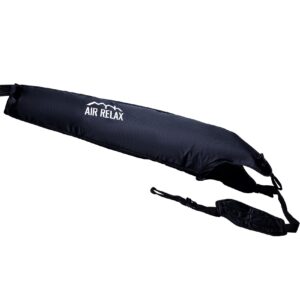
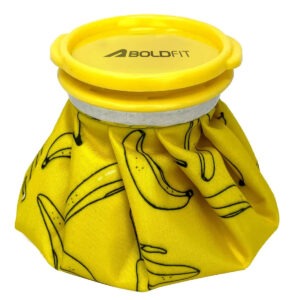
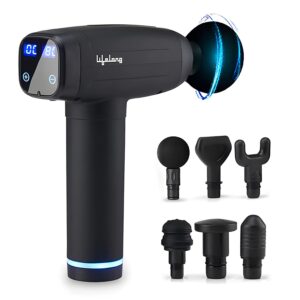
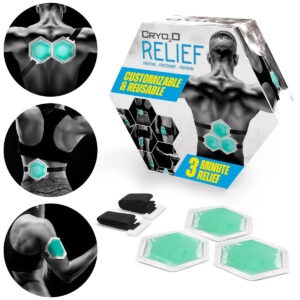
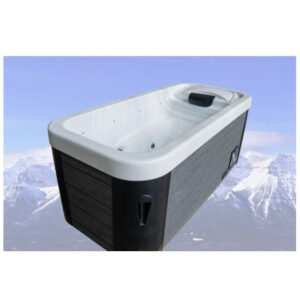
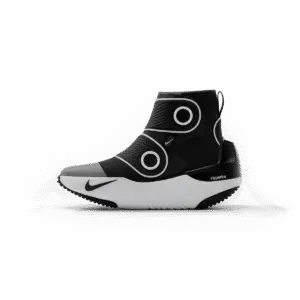
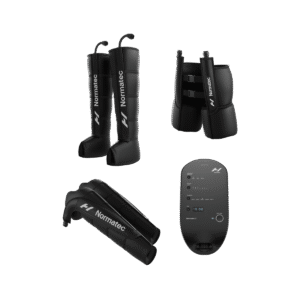
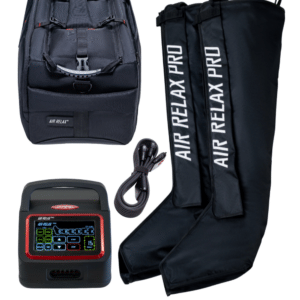
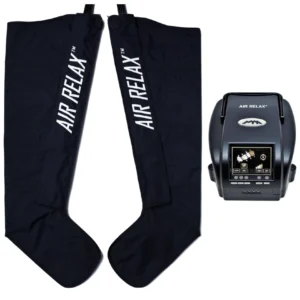
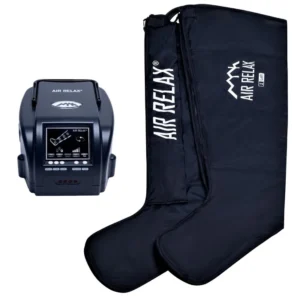

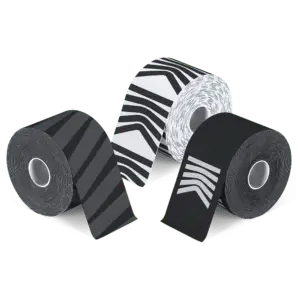


Some links are affiliate links. If you buy through them, ItHurts.com may earn a small commission at no extra cost to you.
Lowering the chance of another strain
Once you've strained a hamstring, the risk of doing it again is higher. Many people find these habits help:
- Warm up properly before running or sport, building from easy movement to faster efforts
- Include regular hamstring strengthening, such as eccentric exercises a physical therapist can teach
- Work on glute and core strength, which share the load
- Increase training volume gradually rather than in sudden jumps
- Respect fatigue; many strains happen late in a session
Work, sleep and patience
Hamstring pain can affect more than workouts. Desk workers may find sitting painful; parents may struggle with bending to lift children; sleep can be disrupted. It's normal to feel frustrated, particularly if exercise is how you manage stress. Swapping to activities that don't aggravate the leg, such as upper-body work or swimming if comfortable, can keep you moving while you heal.
Quick recap
Hamstring pain is often a strain, a tendon problem or pain referred from the back. Protect it early, rebuild strength gradually, and don't rush back to sprinting. Get checked for a pop with heavy bruising, inability to walk, numbness or signs of a clot.
Recover alongside others
Check your symptoms with the free Pain Check-Up, and find others recovering from injuries in our sports injury and post-surgery groups.
Join the Hamstring Pain GroupReviewed by the ItHurts editorial team · Last reviewed 18 October 2026 · General information, not medical advice. If you are worried about your symptoms, talk to a doctor.