


Not all aches are the same
There's a big difference between the satisfying stiffness the day after a new workout and a muscle that seized while you were lifting a suitcase. There's another difference again between both of those and a deep, all-over ache that has been hanging around for weeks. All of them get called "muscle pain," yet they have different causes and need different responses.
Muscle pain, sometimes called myalgia, is extremely common. Most of it is short-lived and settles with sensible self-care. This guide sorts through the usual types, what tends to help, and the signs that mean it's time to get checked.
The usual suspects
- Delayed-onset soreness. Stiffness and tenderness that start a day or so after unfamiliar or intense exercise, peak over the next day or two, then fade. It is a normal response to new effort.
- Strains. Overstretching or tearing muscle fibers, often during a sudden movement or lift. Pain is usually sharp at the time, with tenderness, sometimes swelling or bruising.
- Tension and posture. Hours hunched at a desk, looking down at a phone, or carrying a bag on one shoulder can leave the neck, shoulders and upper back tight and achy.
- Stress. Many people clench their jaw, raise their shoulders or hold tension without noticing, which can lead to persistent aches.
- Cramps. Sudden, painful tightening, often in the calf at night or during exercise.
- Viral illness. Flu and other infections commonly cause aching muscles all over.
Less often, ongoing or widespread muscle pain is linked with conditions such as fibromyalgia, thyroid problems, low vitamin D, inflammatory conditions, or side effects of some medicines. If you've started a new medicine and developed muscle pain, let your prescriber know rather than stopping it yourself.
Warning signs to take seriously
Get urgent medical care if you have:
- Severe muscle pain and weakness with dark, tea- or cola-colored urine, especially after intense exercise, heat, a crush injury or a new medicine
- A calf that is suddenly swollen, warm, red and painful, which needs checking for a blood clot
- Muscle pain with a high fever, stiff neck, or a spreading rash
- Sudden severe weakness, or trouble breathing or swallowing
See a doctor soon if:
- Pain followed a fall or injury and you can't use the muscle normally
- The area is very swollen, bruised or deformed
- Aches haven't improved after a couple of weeks of self-care
- You have aching and stiffness in both shoulders and hips, especially if you are over 50 and it's worst in the morning
- Muscle pain comes with lasting fatigue, poor sleep, low mood or pain in many areas
Self-care that many people find helpful
In the first day or two after a strain
- Ease off the activity that caused it, without staying completely still
- Use a cold pack wrapped in a cloth for 15 to 20 minutes at a time to calm pain and swelling
- Over-the-counter pain relief, used as the label directs, helps some people; check with a pharmacist if you have other conditions
As things settle
- Gentle warmth, such as a warm shower or heat pack, can relax tight muscles
- Gradually return to normal movement and light stretching within comfort
- Short, easy walks help many people loosen up
For desk and tension aches
- Stand up and move every 30 to 45 minutes
- Set your screen at eye level and keep elbows close to your sides
- Drop your shoulders and unclench your jaw when you notice them creeping up
- Try a few minutes of slow breathing or relaxation at the end of the day

Relief picks for sore muscles
Hand-picked by ItHurts · an everyday option, a best overall and a clinical-grade upgrade
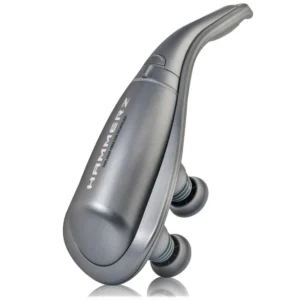
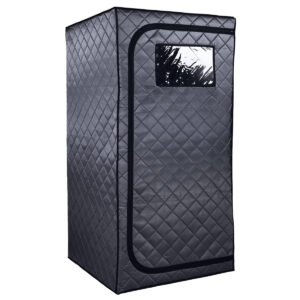

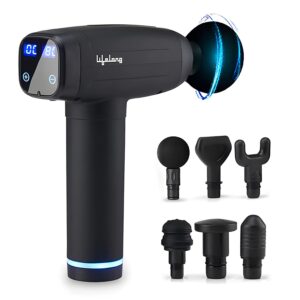
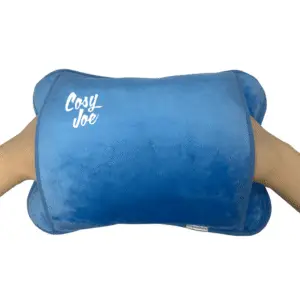
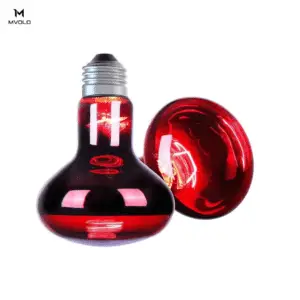
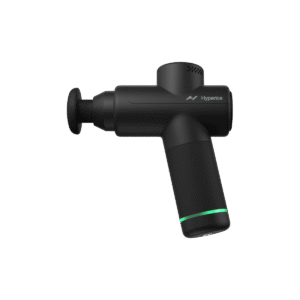

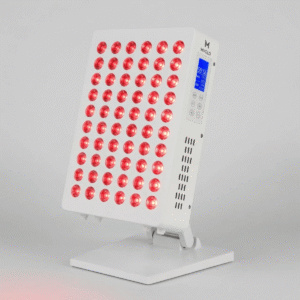
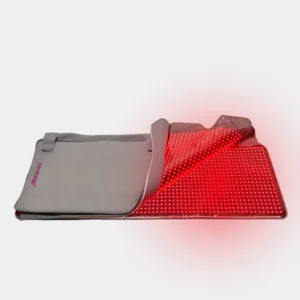


Some links are affiliate links. If you buy through them, ItHurts.com may earn a small commission at no extra cost to you.
Heat or cold: a quick guide
People often ask which to use. As a rough rule, cold suits a fresh injury that is swollen or bruised, because it can dull pain and limit swelling. Warmth tends to suit stiffness and tension that has been building for a while, such as a tight neck after a long day. Many people simply use whichever feels better. Either way, wrap the pack in a cloth, keep sessions to about 20 minutes, check your skin often, and avoid heat or cold on areas with reduced feeling.
Keeping muscles happier long term
- Increase exercise gradually rather than going from nothing to a lot
- Warm up before activity and cool down afterward
- Build general strength two or three times a week; stronger muscles often cope better with daily demands
- Drink enough fluids, especially in heat or when exercising
- Prioritize sleep, which is when much of the body's repair happens
- Vary your positions through the day
When aches start affecting daily life
Muscle pain that keeps coming back can quietly chip away at work, sleep and relationships. It can help to keep a short log of when pain appears, what you were doing, and what eased it. That makes patterns easier to spot and gives your doctor useful information. A physical therapist can assess how you move and design a plan to build strength and flexibility in a way that suits your body. And if you're feeling dismissed because "it's just a muscle thing," it's reasonable to ask for a proper assessment.
Summing up
Most muscle pain comes from new exercise, strains, posture or stress, and it usually improves with a mix of relative rest, cold then warmth, gentle movement and time. Dark urine, a hot swollen calf, fever with rash, severe weakness, or pain that lingers or spreads all need a doctor.
Our free Pain Check-Up can help you pin down patterns in your aches. If pain is widespread or long-lasting, you may also find company in the whole-body, nerve and fibromyalgia groups.
Share what helps your muscles
Our muscle pain group is a place to swap stretches, desk setups and recovery routines with people who understand.
Join the Muscle Pain GroupReviewed by the ItHurts editorial team · Last reviewed 18 October 2026 · General information, not medical advice. If you are worried about your symptoms, talk to a doctor.