


The 3 p.m. headache
You start the morning fine. By mid-afternoon there is a dull, tight band around your forehead or the back of your head, your shoulders are up near your ears, and your eyes feel heavy from the screen. By the time you log off, you're tired, irritable and just want a dark, quiet room.
If that rhythm sounds familiar, your workday may be feeding your tension headaches. This article focuses on that one angle: the desk, screen, break and stress habits that tend to build up pressure over a working day, and practical ways to ease them. For the bigger picture, including types, causes and medical options, see our full guide to tension headaches.
Why workdays can be a setup for head pain
Tension-type headaches typically feel like pressure or tightness on both sides of the head, rather than throbbing on one side. They are often linked to tight muscles in the neck, shoulders, scalp and jaw, and to stress and fatigue. A typical office or work-from-home day can stack several of these at once:
- Hours in one position with the head pushed forward toward a screen
- Shoulders lifted while typing or holding a phone between ear and shoulder
- Clenching your jaw while concentrating, often without noticing
- Staring at a screen with fewer blinks, glare, or text that's too small
- Skipping lunch or drinking coffee instead of water
- Deadlines, back-to-back meetings and a constant stream of notifications
No single habit is usually to blame. It's the combination, repeated day after day, that many people find adds up.
Set up your desk to take strain off your neck
- Screen height. The top of the monitor at about eye level, roughly an arm's length away, keeps your head from tilting down or poking forward.
- Laptops. Working on a laptop alone usually means a bent neck for hours. A stand plus a separate keyboard and mouse can make a real difference.
- Chair and feet. Sit back so your lower back is supported, with feet flat on the floor or a footrest and knees roughly level with hips.
- Elbows and wrists. Keep elbows close to your sides and bent at about a right angle, with the keyboard close enough that you don't reach.
- Phone calls. Use a headset or speakerphone instead of trapping the phone against your shoulder.
Be kind to your eyes
- Follow the 20-20-20 habit: every 20 minutes, look at something about 20 feet away for 20 seconds.
- Increase text size rather than leaning in to read.
- Reduce glare by angling the screen away from windows, and match screen brightness to the room.
- If you find yourself squinting, or it's been a while since your last eye test, book one. Uncorrected vision can add to head and eye strain.
Build breaks into the day
Many people find that short, regular movement breaks help more than one long break. Every 30 to 60 minutes, stand up, walk to get water, or try a few gentle movements:
- Slow shoulder rolls backward, five to ten times
- Gently drawing your chin straight back (a "double chin" movement), holding for a few seconds
- Tilting an ear toward a shoulder and breathing slowly, without forcing it
- Squeezing your shoulder blades together and releasing
Move slowly and stop if anything causes sharp pain, dizziness or tingling in the arms. Outside work, a short walk at lunch or after work is something many people with tension headaches find helpful.

Relief picks for tension headaches
Hand-picked by ItHurts · an everyday option, a best overall and a clinical-grade upgrade


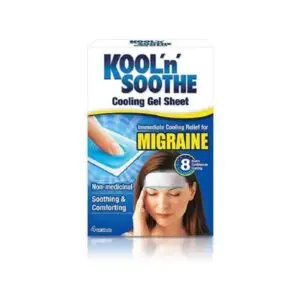



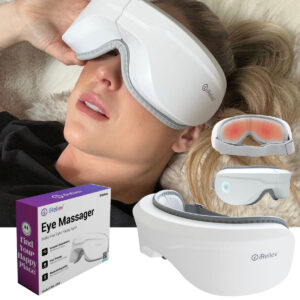

Some links are affiliate links. If you buy through them, ItHurts.com may earn a small commission at no extra cost to you.
Fuel, water and caffeine
Long gaps between meals and not drinking enough are common headache triggers for some people. Keeping a water bottle on your desk and having a proper lunch away from the screen are easy places to start. Caffeine is a mixed story: some people find a coffee eases a headache, while others notice that a lot of caffeine, or suddenly cutting back, makes headaches worse. Keeping your intake fairly steady day to day is a sensible middle ground.
Stress you can't schedule away
Work stress is real, and you can't always change your job or your deadlines. What you can try is giving your nervous system brief resets. A minute of slow breathing before a meeting, turning off non-essential notifications, blocking focus time in your calendar, and closing the laptop at a set time all help some people. If stress feels unmanageable, or you notice your mood is low most days, talking with your doctor, a counselor or an employee assistance program is a strong step, not a weak one.
Keep a simple workday headache log
For two weeks, jot down when each headache started, what you were doing, how long you'd been at the screen, whether you'd eaten, and how you slept the night before. Patterns often appear quickly, and the log is helpful to share with your doctor. It's also worth noting how often you take pain relievers. Using them on many days each month can lead to medication-overuse headaches, so if you rely on them often, talk to your doctor or pharmacist.
When it's more than a work headache
Get urgent help, or call your local emergency number, for a sudden, severe headache that feels like the worst of your life; a headache with fever, stiff neck, confusion, weakness, numbness, slurred speech or vision loss; or a headache after a head injury. See a doctor soon if headaches are new after age 50, are changing pattern or getting steadily worse, wake you from sleep, or are happening on many days a month.
What to remember
Tension headaches often build through the workday from posture, screen strain, skipped meals and stress. A better desk setup, eye breaks, regular movement and steady routines help many people. Watch for the red flags, and get checked if headaches are frequent or changing.
Share what works for you
The free Pain Check-Up can help you map your headache pattern. You can also connect with others in our headache, head and eye pain groups.
Join the Tension Headache GroupReviewed by the ItHurts editorial team · Last reviewed 18 October 2026 · General information, not medical advice. If you are worried about your symptoms, talk to a doctor.