


Not just tired
Burnout isn't the same as a busy week. A good night's sleep or a few days off usually fixes ordinary tiredness. Burnout is different: you come back from a vacation and feel drained again by Monday lunchtime. Tasks you used to handle easily feel like climbing a hill, and you may notice a growing distance between you and the work, or the people, you used to care about.
The term is most often used for work, and the World Health Organization describes it as a result of chronic workplace stress that hasn't been successfully managed. But many people recognize the same pattern from caregiving, parenting, studying or volunteering. Whatever the source, the experience is real, and it is a signal that something about the load needs to change.
Three signs that often show up together
- Exhaustion. Feeling physically and emotionally depleted, with little energy left at the end of the day, or even at the start of it.
- Distance and cynicism. Feeling detached, numb or negative about your job or role. You might notice more irritability, sarcasm or dread before work.
- A drop in effectiveness. Feeling that nothing you do makes a difference, struggling to focus, and doubting your abilities.
Burnout can also show up in the body. People often describe headaches, muscle tension, stomach upset, getting sick more often, changes in appetite and poor sleep. Some notice they are leaning more on caffeine, alcohol or late-night scrolling to cope.
What tends to drive it
Burnout is rarely about one bad day or a personal weakness. It usually grows where demands keep outweighing resources over a long time. Common ingredients include:
- A workload that is too heavy for too long, with no real recovery time
- Little control over how, when or what you work on
- Unclear expectations, or constantly shifting goals
- Feeling unrecognized or unfairly treated
- Conflict, isolation or a lack of support from colleagues or managers
- A gap between your values and what the role asks of you
- Caring for others, at work or at home, without anyone caring for you
Personal factors can add to the strain, such as perfectionism, difficulty saying no, or living with a long-term health condition. Chronic pain and burnout often feed each other: pain drains energy, and exhaustion makes pain harder to cope with.
Burnout, depression or something else?
Burnout and depression share some features, such as exhaustion, low mood and poor concentration. One difference people describe is that burnout tends to center on a particular role, while depression often colors every part of life, including things you used to enjoy. They can also overlap. Physical conditions such as thyroid problems, anemia or sleep disorders can cause similar fatigue. Because of that, it is worth seeing a doctor rather than assuming it is "just burnout."
Practical steps toward recovery
Recovery usually takes longer than people expect, and it often needs changes to the situation as well as self-care. Some starting points:
- Name it. Admitting that you are burned out, to yourself and to someone you trust, is often the first real step.
- Protect the basics. Regular sleep, simple meals and a daily walk sound small, but they rebuild your capacity to cope.
- Create real off-time. Set boundaries around messages and email after hours where you can. Even short, true breaks matter more than long, half-working ones.
- Look at the load. List what you are carrying, then see what can be dropped, delegated, delayed or done "well enough."
- Talk to your manager or HR if it is safe to do so. Adjusted workloads, flexible hours or a temporary change in duties may be possible. Some employers offer confidential counseling through an assistance program.
- Reconnect with what restores you. Time with people you like, being outdoors, creative hobbies, or anything that has nothing to do with productivity.
- Get professional support. A doctor, counselor or therapist can help you untangle what is happening and plan a way forward.

Picks to help you recharge
Hand-picked by ItHurts · an everyday option, a best overall and a clinical-grade upgrade





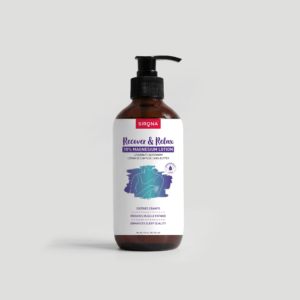



Some links are affiliate links. If you buy through them, ItHurts.com may earn a small commission at no extra cost to you.
When to reach out for help
- Exhaustion or low mood has lasted more than two weeks and isn't lifting with rest
- You are struggling to get through the day or meet basic responsibilities
- You are using alcohol, drugs or other habits to numb out
- You have physical symptoms such as chest pain, palpitations or ongoing headaches that haven't been checked
- You feel hopeless, trapped, or have thoughts of not wanting to be here
If you are thinking about suicide or self-harm, please reach out now. In the US, call or text 988 for the 988 Suicide & Crisis Lifeline, available 24/7. Elsewhere, call your local emergency number or a local crisis line.
Going back, or moving on
Some people recover and return to the same role with better boundaries and support. Others realize the job, or the way it is set up, isn't sustainable for them, and they make a change. Both are valid. Try not to make big decisions in the deepest part of exhaustion if you can avoid it. Give yourself some recovery time first, then decide with a clearer head.
It helps to remember that many capable, caring people burn out precisely because they care. Talking with others who have been there can make the road back feel less lonely.
The bottom line
Burnout is a state of deep exhaustion, detachment and reduced effectiveness that builds when demands outweigh resources for too long. Rest helps, but lasting recovery usually means changing the load, setting boundaries and getting support. See a doctor to rule out other causes, and reach out immediately to 988 or your local emergency number if you feel hopeless or unsafe.
Recover alongside others
Our emotional and mental health groups welcome anyone dealing with burnout, stress or exhaustion. If aches and pains are part of how burnout shows up for you, the free Pain Check-Up is a good place to start.
Find Your GroupReviewed by the ItHurts editorial team · Last reviewed 18 October 2026 · General information, not medical advice. If you are worried about your symptoms, talk to a doctor.