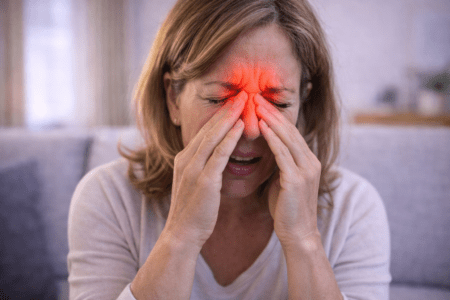
Sinus Pain: When Your Face Decides to Hold a Tiny Thunderstorm

Sinus Pain: Understanding Facial Pressure and Discomfort 😖 Clear, supportive guidance for managing pressure, congestion, and relief. When Facial Pressure Becomes Hard to Ignore Sinus pain can create pressure and discomfort across the forehead, cheeks, nose, and even teeth. Movements like bending forward or lying down may increase the sensation, making daily activities feel more difficult. Quick note: This is not medical advice — only supportive, educational information. Always consult a qualified professional for proper care. What’s Happening in the Sinuses? 🧠 Sinuses are air-filled spaces in the skull that help filter and humidify air. When they become blocked or inflamed, pressure can build up, leading to pain and discomfort. Allergies or environmental triggers Viral infections such as colds Bacterial sinus infections Dry air or pollution Structural differences in nasal passages “Facial pressure can feel intense because the sinuses are closely connected to nerves in the face and head.” Common Symptoms Sinus discomfort may include: Pressure behind the eyes Aching cheeks or forehead Headaches that worsen when bending forward Tooth sensitivity or heaviness Nasal congestion When to Seek Medical Care ⚠️ High fever or severe headache Swelling around the eyes Vision changes Symptoms lasting more than 10–14 days Worsening or persistent pain Ways to Reduce Pressure 🏡 Simple steps can help improve comfort: Use a humidifier to add moisture to air Stay well hydrated Take warm showers or steam inhalation Reduce exposure to allergens Comfort Measures Warm compresses on face Saline nasal sprays or rinses Sleeping with head slightly elevated Gentle rest and pacing activities Managing Daily Life 🌱 Sinus pain can affect sleep, concentration, and daily routines. Small adjustments and supportive care can help restore comfort over time. Relief Is Possible While sinus pain can feel intense, many cases improve with time and proper care. Listening to your body and seeking help when needed can support recovery. Join the ItHurts Community 💬 Connect with people who understand sinus pain and everyday discomfort. Join the Community Medical Disclaimer: This content is educational and supportive only and does not replace professional medical care. Always seek help for serious or worsening symptoms.

When {{Shoulder Pain}} Turns Every Shirt Into a Boss Battle

Shoulder Pain: Understanding Movement Limitations and Joint Strain 😖 Why everyday movements become difficult — and how to reduce strain and discomfort. When Shoulder Pain Affects Daily Activities Shoulder pain can interfere with simple tasks such as reaching, lifting, dressing, or even sleeping comfortably. Movements that once felt effortless may suddenly become restricted or painful. Because the shoulder is involved in so many activities, even mild irritation can have a noticeable impact on daily life. Quick note: This is not medical advice — only educational guidance. Always consult a qualified professional for your symptoms. What Causes Shoulder Pain? 🧠 The shoulder is a highly mobile joint supported by muscles, tendons, ligaments, and nerves. This flexibility makes it useful — but also more vulnerable to strain and injury. Repetitive movements or overuse Poor posture or prolonged sitting Sleeping positions that strain the joint Age-related wear and tear Muscle tension from stress “Shoulder pain often starts small — but can quickly affect how you move, rest, and function.” Why Shoulder Pain Feels So Limiting Because the shoulder supports a wide range of motion, pain can impact both strength and mobility. This can make everyday activities feel more physically and mentally exhausting. When to Seek Medical Care ⚠️ Severe pain after injury or fall Inability to lift or rotate the arm Swelling, bruising, or visible deformity Numbness, tingling, or weakness Persistent or worsening symptoms Fever or redness around the joint Supportive Home Strategies 🏡 Reducing strain and supporting proper movement can help: Adjust your workspace to improve posture Keep objects close when lifting Alternate repetitive tasks Use both arms when possible Gentle Movement and Recovery Small controlled arm circles Shoulder blade activation exercises Light stretching within comfort range Slow, controlled movement Daily Life Adjustments Small changes in posture, sleep positioning, and activity pacing can help reduce discomfort and support recovery. Recovery and Outlook 🌱 Shoulder pain can be frustrating, but with consistent care, gradual movement, and support, improvement is possible. Join the ItHurts Community 💬 Connect with people managing shoulder pain and mobility challenges. Join the Community Medical Disclaimer: This content is for education and support only and does not replace professional medical care.

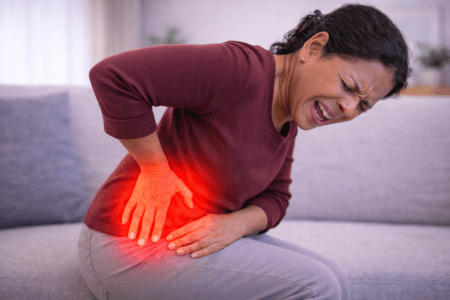
SI Joint Pain: The Tiny Trouble Spot That Throws Your Whole Life Off Balance

SI Joint Pain: Understanding Lower Back Instability and Pelvic Stress 😖 Why this small joint creates widespread discomfort — and how to manage it effectively. When SI Joint Pain Disrupts Daily Life SI joint pain often appears suddenly and can quickly interfere with normal movement. Sitting, standing, walking, and even small movements may become uncomfortable. Although the joint is small, its role in stabilizing the body means that irritation can affect the entire lower back and pelvic region. Quick note: This is not medical advice — only educational guidance. Consult a qualified professional for your symptoms. What Is the SI Joint? 🧠 The sacroiliac (SI) joint connects the spine to the pelvis. It helps transfer weight between the upper body and legs while maintaining balance and stability. When this joint becomes irritated, inflamed, or unstable, surrounding muscles and nerves can also become affected. Prolonged sitting or standing Pregnancy or postpartum changes Uneven gait or leg length differences Sudden lifting or twisting Weak core or glute muscles Previous injuries “SI joint pain may be small in origin — but its impact on daily life can be significant.” Why SI Joint Pain Feels So Intense Pain from the SI joint can radiate into the lower back, hips, and legs. This makes it feel larger than the joint itself and can interfere with movement, sleep, and concentration. When to Seek Medical Care ⚠️ Worsening or persistent pain Numbness or tingling in the legs Difficulty standing or walking Pain after injury or trauma Bowel or bladder changes Fever or unexplained weight loss Supportive Home Strategies 🏡 Managing daily movement and reducing strain can help: Change positions regularly Use supportive seating Alternate heat and cold therapy Avoid overly soft surfaces Wear supportive footwear Gentle Movement and Stability Pelvic tilts Glute strengthening exercises Gentle hip mobility work Light walking Core activation exercises Daily Life Adjustments Small changes in posture, movement, and activity pacing can reduce strain and improve comfort over time. Recovery and Outlook 🌱 SI joint pain can be frustrating, but with proper care, strengthening, and support, improvement is possible. Join the ItHurts Community 💬 Connect with others managing back pain and mobility challenges. Join the Community Medical Disclaimer: This content is educational and supportive only and does not replace professional medical care.

Rib Pain: When Your Torso Files a Formal Complaint

Rib Pain: When Your Torso Files a Formal Complaint 😖📣 Because breathing should not feel like a risky activity. So… Rib Pain Showed Up and Now Everything Hurts 🙃🔥 Rib Pain has a special talent for making normal life feel like a betrayal. Breathing hurts. Laughing feels dangerous. Sneezing feels like a personal attack. And the worst part? People who’ve never had Rib Pain often assume you’re exaggerating. Meanwhile, your torso is staging a full rebellion. Quick note: This isn’t medical advice—just friendly info, empathy, and encouragement. Always talk with a qualified professional about your situation. What’s Actually Going On? 🧠🩺 Your ribcage is a flexible, protective structure that moves constantly—every breath, twist, stretch, and reach depends on it cooperating. When the muscles, cartilage, or connective tissues around the ribs get irritated, Rib Pain makes sure you notice. Intercostal muscle strain (the muscles between ribs) Overstretching or sudden twisting Inflammation where ribs meet cartilage Bruising from impacts or workouts Prolonged poor posture Persistent coughing from illness or allergies Why It Hurts (and Why You’re NOT Overreacting) 😤 Rib Pain flares with every movement and breath, which makes even mild irritation feel overwhelming. Your worry is valid. Your discomfort is real. And no—you’re not being dramatic. “Rib Pain turns breathing into a full-time job you never applied for.” When to Call in the Pros ⚠️ Sudden severe rib or chest pain Pain spreading to arm, jaw, or back Fever or chills with rib pain Pain after a fall or impact Worsening pain over time Shortness of breath or dizziness Home Strategies That Actually Help 🏡 Supportive pillows when resting or sleeping Gentle posture awareness during work Keeping movements close to your body Frequent breaks from long sitting Warm compresses for tightness Ice packs for soreness after activity Pillow support during coughing or sneezing Real-Life Stuff: Work, Sleep & Sanity 😴💼❤️ Rib Pain affects everything—from desk work to bedtime to how you accept a hug. Adjusting expectations, pacing yourself, and communicating needs can protect both your body and your mood. “Healing isn’t linear, but neither is life — and you’re allowed to take the wiggly path.” You’re Doing Better Than You Think 🌱 Rib Pain is disruptive, exhausting, and unfair—but it doesn’t get to define you. Rest matters. Small improvements matter. You matter. Join the ItHurts Community 💬 Connect with people who understand Rib Pain and life with invisible discomfort. Join the Community Friendly Medical Disclaimer: This content is educational and supportive only and does not replace professional medical care. Always seek help for serious or worsening symptoms.

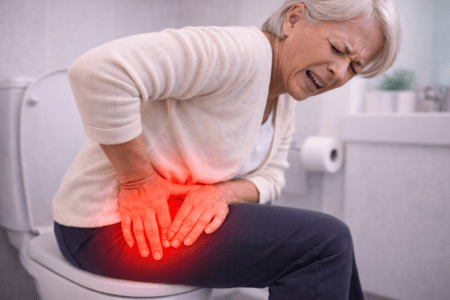
Rectal Pain: The Tiny, Fiery Villain Nobody Warned You About

Rectal Pain: The Tiny, Fiery Villain Nobody Warned You About 😖🔥 When sitting, walking, and sneezing all feel personally offensive. When Rectal Pain Hijacks Your Entire Day 😫 Rectal pain is not something anyone expects to be Googling in the middle of the night— yet here you are. Sitting hurts. Walking hurts. Sneezing feels like a personal attack. It can feel sharp, burning, pressurized, or like something is deeply wrong even when nothing looks wrong from the outside. Quick note: This isn’t medical advice—just friendly information, validation, and encouragement. Always talk with a qualified professional about your specific situation. What’s Actually Going On? 🧠🩺 Rectal pain usually shows up when the highly sensitive tissues and nerves in and around the rectum become irritated, inflamed, or strained. Think of this area like a high-traffic roundabout. When everything flows smoothly, you don’t notice it. When something interrupts the flow—pain makes sure you notice. Hemorrhoids Anal fissures (tiny tears) Pelvic floor muscle spasms Proctalgia fugax (sudden muscle cramps) Constipation or straining Inflammation or infection Stress (yes, even here) Why It Hurts (and Why You’re NOT Imagining It) 😤 Rectal pain feels intense because the nerve endings in this area are extremely sensitive. Even small issues can feel enormous. You’re not dramatic. You’re not weak. You’re dealing with a body part that has zero tolerance for irritation. “Rectal pain doesn’t care about your schedule, your dignity, or your plans — but you’re still allowed to laugh and keep living.” When to Call in the Pros ⚠️ Bleeding that doesn’t stop Fever or chills Severe pain with bowel movements A growing or extremely painful lump Pain waking you from sleep Unexplained weight loss Pain lasting more than a few days Home Strategies That Actually Help 🏡 Warm baths to relax pelvic muscles Soft wipes or gentle toilet paper Hydration to ease bowel movements Breaking up long sitting sessions Supportive cushions or donut pillows Loose, breathable clothing Real-Life Stuff: Work, Sleep & Sanity 😴💼❤️ Rectal pain follows you into meetings, bedtime, car rides, and social plans. Small adjustments—movement breaks, supportive seating, and honest communication— can protect your energy and mental health. “You are more than the worst moment of your pain — even when that moment is extremely inconveniently located.” You’re Not Alone 🌱 Rectal pain can feel isolating, embarrassing, or scary—but support exists. With patience, care, and the right guidance, relief is possible. Join the ItHurts Community 💬 Connect with people who understand rectal pain and pelvic health—without judgment. Join the Community Friendly Medical Disclaimer: This content is educational and supportive only and does not replace professional medical care. Always seek help for serious or worsening symptoms.

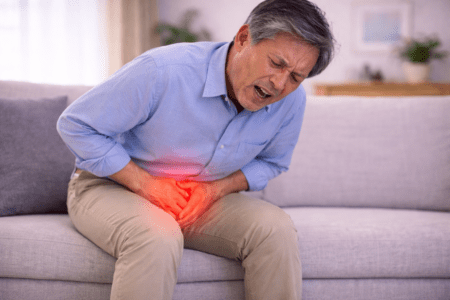
Prostate Pain: Why Your Lower Pelvis Is Acting Like a Drama Queen

Prostate Pain: Why Your Lower Pelvis Is Acting Like a Drama Queen 🎭🔥 Deep pelvic discomfort that refuses to stay quiet. When Prostate Pain Turns Your Pelvis Into the Main Character 😫 Prostate pain has a way of making you suddenly aware of every inch of your lower body—like your pelvis started sending group texts you never signed up for. Sitting, walking, or simply existing can turn into a full production. Some days it feels like a deep ache. Other days it’s sharp, pressurized, or just constantly “there.” And explaining it to someone who’s never felt it? That’s a challenge all on its own. Quick note: This isn’t medical advice—just friendly information and encouragement. Always talk with a qualified professional about your own situation. What’s Actually Going On? 🧠🩺 The prostate is a small gland located below the bladder and in front of the rectum. It’s tiny—but when it’s irritated, inflamed, or under pressure, it can cause outsized discomfort. Think of prostate pain like a smoke alarm: loud, persistent, and impossible to ignore. Inflammation or irritation (often called prostatitis) Pelvic floor muscle tension or spasms Long periods of sitting Urinary or kidney-related irritation Sometimes no clear cause at all Why It Hurts (and Why You’re NOT Crazy) 😤 Prostate pain is frustrating because it’s internal, awkward to talk about, and unpredictable. That doesn’t make it imaginary—it makes it hard. “Prostate pain: because my pelvis decided to express its feelings without consulting me first.” When to Call in the Pros ⚠️ Fever, chills, or sudden illness Difficulty urinating Blood in urine or semen Severe or worsening pelvic pain Pain spreading to the back or groin Symptoms lasting more than a few days Home Strategies That Actually Help 🏡 Softer seating or supportive cushions Frequent movement breaks when sitting Consistent hydration Reducing caffeine, alcohol, and spicy foods Warm baths or warm compresses Gentle breathing and relaxation techniques Real-Life Stuff: Work, Sleep & Sanity 😴💼❤️ Prostate pain doesn’t stop at physical discomfort—it affects focus, sleep, relationships, and mood. Small changes, honest communication, and pacing yourself can make daily life more manageable. “Pain may slow me down, but it doesn’t get to decide my whole story.” You’re Not Alone 🌱 Prostate pain is real, confusing, and often misunderstood—but support exists. With the right care, patience, and community, improvement is possible. Join the ItHurts Community 💬 Connect with people who truly understand prostate pain and pelvic health. Join the Community Lighthearted Medical Disclaimer: This content is educational and supportive only and does not replace professional medical care.

Start chat to AI